Author: user

  • British Airways A380 Pilot’s Wild Night: From Cocaine-Fueled Revelry to Grounded Career

    British Airways A380 Pilot’s Wild Night: From Cocaine-Fueled Revelry to Grounded Career

    Reader discretion is advised – we try to keep things PG-13 here at Points and PDBs, but this article describes the actions of a pilot which may be explicit.

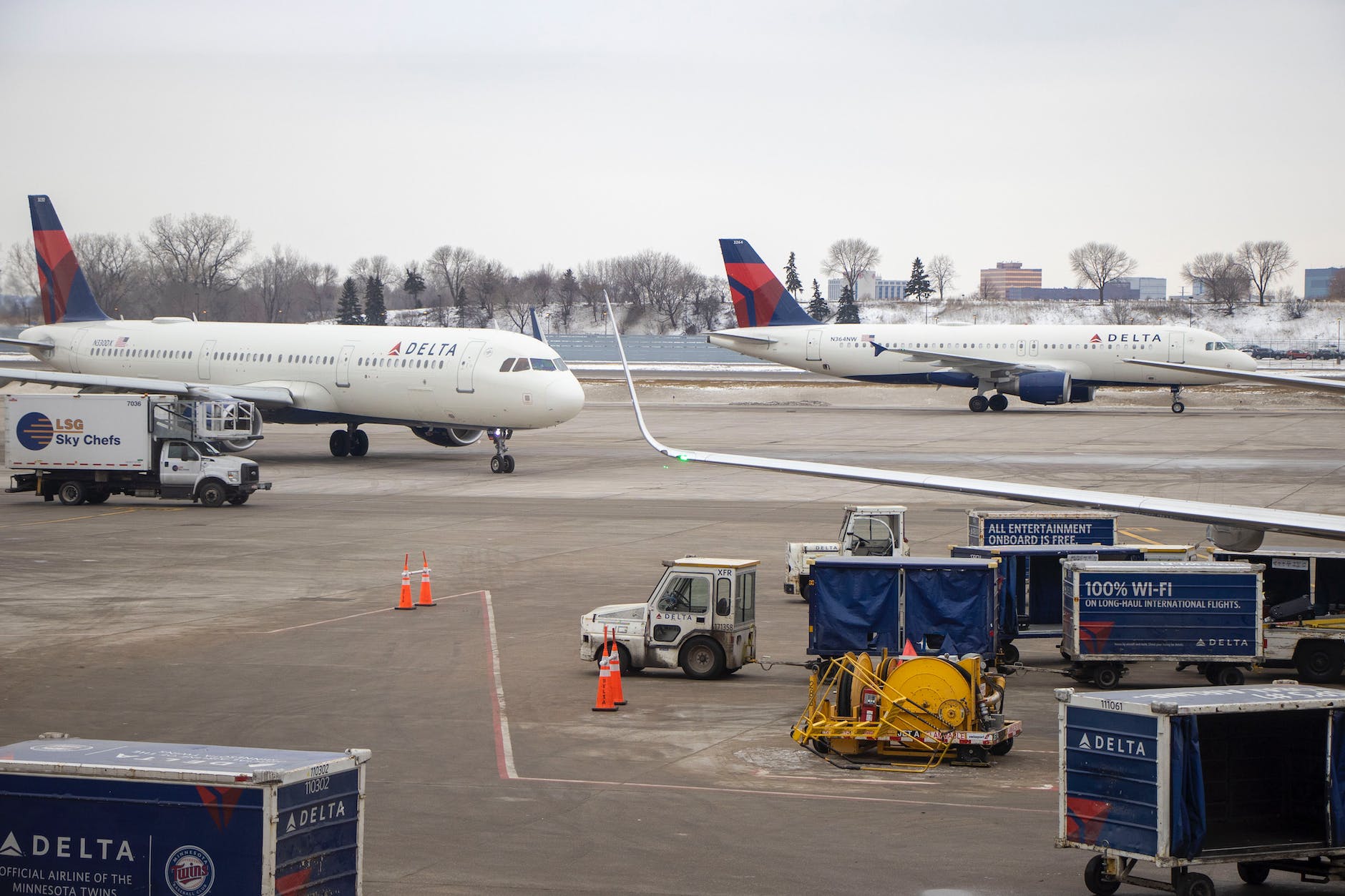
    In the latest episode of “Airlines Gone Wild,” we have a British Airways First Officer, Mike Beaton, who decided to embark on a debaucherous adventure before a flight from Johannesburg O.R. Tambo Airport (JNB) to London-Heathrow Airport (LHR) – flight BA56, operated by an Airbus A380-800. The Sun reports that Beaton’s escapades included snorting cocaine off a woman’s bare breasts – a detail that would make even the most seasoned travelers gasp.

    According to The Sun, Beaton was far from discreet about his wild night, gleefully sharing the sordid details with a flight attendant friend. He even admitted, “I’ve been a very naughty boy.” Well, Mike, a broken clock is right twice a day!

    Beaton’s night of hedonism began innocently enough, with a night out in Johannesburg. He met a female Welsh holidaymaker and a “young Spanish bird” at a nightclub, and things quickly escalated from there. “We all walk (stagger) back up to the hotel bar for ‘one last one before bed,’” Beaton bragged. It’s unclear what BA’s “bottle to throttle” policy is, but one has to wonder if he broke it right here.

    However, the night took a scandalous turn when Beaton and his companions ended up at a local dude’s apartment. In Beaton’s text message exchange, he goes on to note that “Welsh” decided he should be her boyfriend, and describes in vivid detail how the group performed a sex act on “Spanish” atop a sofa.

    Amidst the topless dancing and questionable decisions, Class A drugs made their entrance. Beaton enthusiastically shared, “I’ve lost my shirt somewhere and one of the local lads produces a plate with a few lines of coke. So then there’s a debate about whose chest is the best to do a bump off.” And that’s how our protagonist found himself in the peculiar position of snorting cocaine off a woman’s chest in Johannesburg.

    After this eventful evening, Beaton managed to stay with the Welsh holidaymaker, but his excesses clearly caught up with him. He lamented, “Stayed the night with Welsh, sh** her for ages (I guess the coke played a part) and then was so f** I couldn’t even lift my head until gone 2.” Ouch.

    Not surprisingly, Beaton’s confessions to his FA friend didn’t stay secret for long. Maybe he thought his actions would earn him some street cred with his colleagues, but those very colleagues had a commitment to safety to uphold. Appalled by his behavior, his colleague reported him to British Airways, who swiftly canceled the flight, estimated to cost the airline GBP £100,000. Beaton was suspended, flown back to the UK as a passenger, and subjected to a drug test at Heathrow, which sealed his fate.

    It’s safe to say that Beaton’s career as a pilot has crash-landed. His antics not only violated the law but also brought unwanted attention upon British Airways. As one airline source put it, “This pilot has hoisted himself by his own petard.” The British Airways First Officer had a duty to protect the safety of passengers, but instead, he chose a path of recklessness.

    This isn’t the first time we’ve heard of BA crew members going wild on layovers. From Miami strip club arrests to sexual assault allegations in Singapore, British Airways has had its fair share of high-flying scandals. Not to mention, last year, staff were banned from all-inclusive deals in the Maldives after a flight attendant passed out drunk on a beach. Talk about a wild ride!

    Despite Beaton’s misadventures, British Airways assures us that there was no risk to passengers during his Johannesburg binge. They promptly informed the Civil Aviation Authority (CAA), which withdrew Beaton’s medical certificate, effectively grounding him for good. They have also confirmed that Beaton is no longer employed by the airline.

    In the end, Mike Beaton’s wild night out was more than just a bad decision; it was the end of his aviation career. His license to fly has been revoked, and he’s left with nothing but memories of his infamous cocaine caper. In the world of aviation, it’s a reminder that even the highest fliers can come crashing down when they lose sight of their responsibilities.

  • Terrible: Longtime AA Flight Attendant Found Dead in Airport Hotel

    Terrible: Longtime AA Flight Attendant Found Dead in Airport Hotel

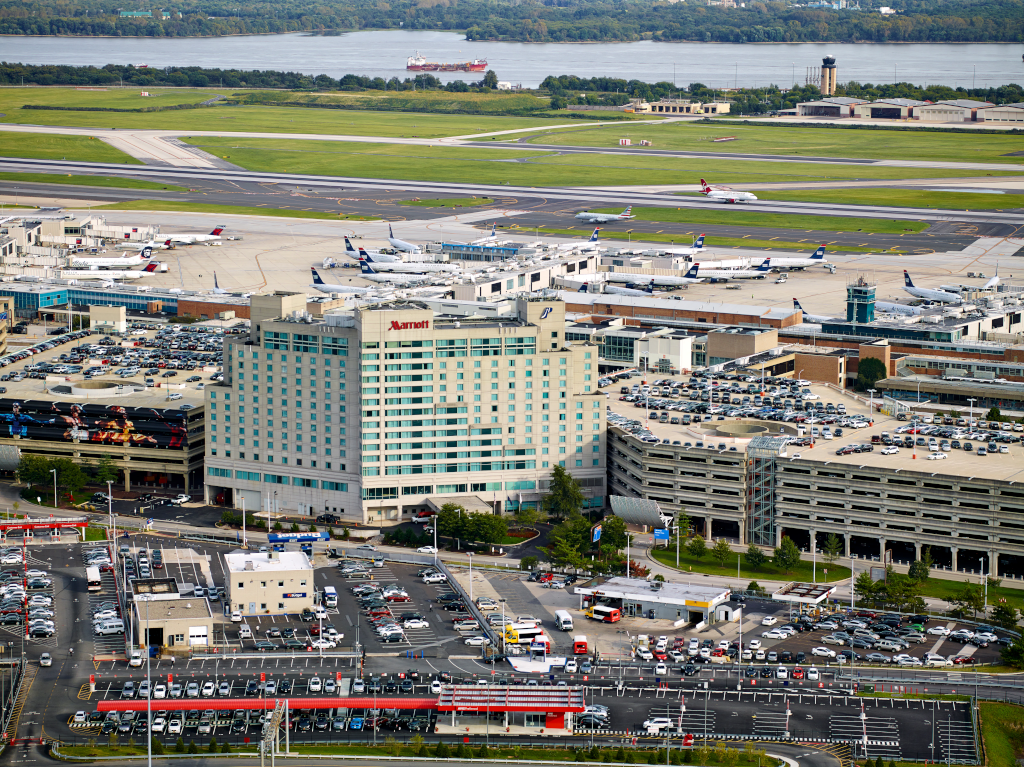
    A 66-year-old American Airlines flight attendant was discovered lifeless in her Philadelphia Airport Marriott hotel room during an overnight layover. The circumstances surrounding her death have raised many questions, and left her colleagues traumatized.

    The veteran flight attendant, who had dedicated 25 years of service to American Airlines, had been on a domestic work trip, sharing the journey with the same crew for a couple of days. They arrived in Philadelphia for a brief overnight stay. However, when she failed to check out on time, the situation took a distressing turn.

    Housekeeping staff made the grim discovery a whopping two days after her expected departure, prompting concerns about the delay in checking on her well-being. While investigators found no signs of forced entry or struggle in her room, they did uncover ‘numerous’ medication bottles. Additionally, a sock was found in the woman’s mouth, raising additional questions as to the circumstances of the death.

    The entire crew, deeply affected by the tragic loss of their colleague, faced an agonizing dilemma. Despite concerns for her safety, they were required to board a flight without first ensuring her welfare. One crew member made two calls to the hotel to check on her but was unable to return to the hotel due to flight procedures and minimal crew availability.

    A heartfelt social media post from a crew member as reported by Paddle Your Own Kanoo shed light on the harrowing experience: “First of all, I’m deeply sorry for the loss of our dear coworker! My heart goes out to the family and any loved ones. It is midnight, and I cannot sleep, and cannot stop thinking about it! At this moment, my heart is pounding, and I can’t express how I feel. I am just as shocked as everyone.”

    The post also pleaded for understanding, stating, “Please, please do not blame the crew. We were on the crew, and we are more traumatized than you can imagine.”

    While the circumstances are indeed tragic, the airline and hotel are facing scrutiny for the amount of time it took to check on the flight attendant’s welfare. Authorities are treating the incident as suspicious, and an autopsy is pending.

    In an internal memo, American Airlines expressed its condolences and emphasized the importance of the well-being of its team members: “The well-being of our team members is our top priority, and we will ensure that all those affected by this tragic loss have the support they need.”

    This incident sheds light on the challenging and often stressful conditions that flight crews can face during their duties. It highlights the need for better protocols and support for these dedicated professionals. It’s even more shocking that despite calls to the hotel from the woman’s colleagues, it took two days for someone to go and perform a wellness check. American definitely has a lot of room to do better in handling situations like these.

  • EU ETIAS Implementation Delayed to 2025: What Travelers Need to Know

    EU ETIAS Implementation Delayed to 2025: What Travelers Need to Know

    The European Travel Information and Authorisation System (ETIAS) has been making waves in the travel community, with its looming implementation raising eyebrows among currently visa-exempt visitors to the European Union. Initially set to roll out in mid-2024, this system has reportedly been pushed back to May 2025. So, if you’ve got travel plans for the coming year, breathe easy – no need to fret about visa requirements just yet.

    ETIAS, sometimes referred to as the “not a visa” visa, represents a significant change for American, Canadian, and British travelers, especially post-Brexit. In the pre-ETIAS era, a European jaunt simply meant showing up at the border with your passport in hand. But once ETIAS is fully operational, you’ll need to jump through a few more hoops.

    First things first, this system isn’t as daunting as it may sound. Applications are submitted electronically, and most applicants will receive their approval or rejection within minutes, with the majority processed within 96 hours. However, it’s worth noting that some travelers might experience a waiting period of up to 34 days (96 hours + an “additional” 30 days), possibly even involving an interview with national authorities.

    Additionally, a modest fee of EUR €7 (about USD $7.40 at the time of writing) is required to apply for the ETIAS. But there’s a silver lining for travelers under 18 or over 70 – you’re exempt from this fee. Many have compared this scheme to DHS’s Electronic System for Travel Authorization (ESTA) that foreign visitors to the US have already been subject to for years, although the European scheme is significantly cheaper to apply for and grants 50% more validity time than the ESTA.

    Now, let’s dive into the nitty-gritty of ETIAS. When you apply, you’ll need to declare which EU country you intend to visit first. While it’s important to give your best educated guess here, this decision is non-binding; you won’t need to update paperwork if you change your mind later, or add a layover that changes your first port of entry into the EU. Once it’s granted, ETIAS is your ticket to the EU for three years or until your passport expires, whichever comes first. It’s like a golden key, granting you unlimited entries as long as you play by the EU’s rules, including the “90 in 180” rule.

    Here’s a travel tip for maximum flexibility: considering the relatively nominal amount it costs (EUR €7), it’s a good idea to keep an active ETIAS at all times once the system is up and running. Why? Well, imagine stumbling upon a last-minute flight deal to Europe. You wouldn’t want to be stuck twiddling your thumbs during a potential 34-day waiting period, right? At time of writing, this equates to less than $2.50 a year for the ability to take advantage whenever a good deal strikes.

    So, there you have it – for another year, travelers can breathe easy and enjoy visa-free entry to Europe without the need for ETIAS. So, make the most of your upcoming travel plans, knowing that the additional paperwork and planning can wait just a little while longer.

  • Navigating the Storm: How a Government Shutdown Could Impact Travel

    Navigating the Storm: How a Government Shutdown Could Impact Travel

    As the clock ticks towards October 1st, 2023, at 12:01 am, the possibility of a federal government shutdown looms ominously on the horizon, unless Congress can swiftly reach an agreement. While we typically steer clear of politics here at The Exit Row, the potential repercussions for travelers warrant discussion of this potentially impactful topic.

    Understanding the Shutdown Game

    First things first, what exactly is a government shutdown? It occurs when Congress fails to pass the necessary funding legislation, which then must be signed into law by the President. Ideally, lawmakers are supposed to pass 12 different spending bills to fund various government agencies. However, due to the time-consuming nature of the process, they often resort to temporary extensions known as continuing resolutions (CRs) to keep the government running.

    In the absence of funding legislation, federal agencies are forced to cease all non-essential operations, including issuing paychecks. The duration of a shutdown is unpredictable, with the longest in history lasting a grueling 34 days from 2018 to 2019.

    Who Keeps the Lights On?

    When it comes to travel, some federal employees are deemed essential and must continue working during a shutdown. This includes air traffic controllers, safety inspectors, TSA agents, and CBP officials. Their dedication ensures the essential functions of travel remain intact. These employees don’t receive their paychecks during this time, but a 2019 law guarantees backpay for furloughed federal workers once the funding deadlock is resolved.

    Past Shutdowns: Usually a Minor Inconvenience

    Historically, government shutdowns have had minimal impacts on travel. In 2019, it took approximately two weeks of no pay for FAA controllers and TSA agents to begin missing work, leading to long security checkpoint lines and flight delays. Eventually, the government reached an agreement, and normalcy was restored. During the same shutdown, some national parks either closed entirely or operated without the necessary staff to maintain them, leading to disarray, with trash piling up and toilets overflowing.

    One recurring challenge during a shutdown is the FAA’s inability to train new air traffic controllers. Secretary of Transportation Pete Buttigieg emphasized the perilous timing, citing the already existing shortage of ATC controllers. “We cannot afford that kind of politically driven disruption at the very moment when we finally have those air traffic control report numbers headed in the right direction,” Buttigieg said at a House Committee hearing on September 20. Any further disruptions could exacerbate an already precarious situation.

    A Gathering Storm

    Adding to the potential turbulence is the looming expiration of the FAA’s authorization, with Congress yet to pass a reauthorization bill. To prevent further chaos at the FAA, Congress would need to pass a temporary extension of FAA programs. Failure to do so could amplify the challenges the FAA faces due to a government shutdown and a lack of reauthorization.

    Additionally, while some services like passport & visa processing are funded in such a way that these may be processed for a while, it’s likely we’ll see severe delays, progressively getting worse as the shutdown drags on. As for trusted traveler programs like Global Entry and TSA PreCheck, existing members should be able to continue to use their current membership until it expires, but it’s likely we’ll see a halt to processing any new applications or renewals.

    Finally, a government shutdown could also impede infrastructure projects, causing potential delays in airport construction and maintenance.

    Don’t Be Scared – Be Prepared

    Many readers are likely already members of popular trusted traveler programs like Global Entry and TSA PreCheck, which could significantly mitigate the additional wait times you may face at TSA and passport control. While it’s likely too late to become a member of Global Entry before October 1, you may still have time to join TSA PreCheck if you apply ASAP and face no hurdles in getting your application approved (though admittedly, it’s a stretch). Remember, a Global Entry membership includes TSA PreCheck privileges – simply add your PassID to your airline reservations to get the designation on your boarding pass. With PreCheck more important than ever over the coming weeks, I’d advise double checking any upcoming reservations for a trusted traveler ID number to avoid any snags at security.

    While government shutdowns have historically had limited immediate impacts on travel, the potential perfect storm brewing on the horizon warrants attention. The intersecting issues of FAA challenges, pending reauthorization, and delays in essential services could create a more turbulent travel environment than we’ve seen in the past. We expect the severity of the impact to be directly tied to how long this lasts. A few days, no big deal; however, if this shutdown drags on, we’d expect more severe impacts. Travelers should stay informed and prepared for possible disruptions, even as we hope for a swift resolution to this looming crisis.

  • Strange: Condor Brings Transatlantic Service to… San Antonio?

    Strange: Condor Brings Transatlantic Service to… San Antonio?

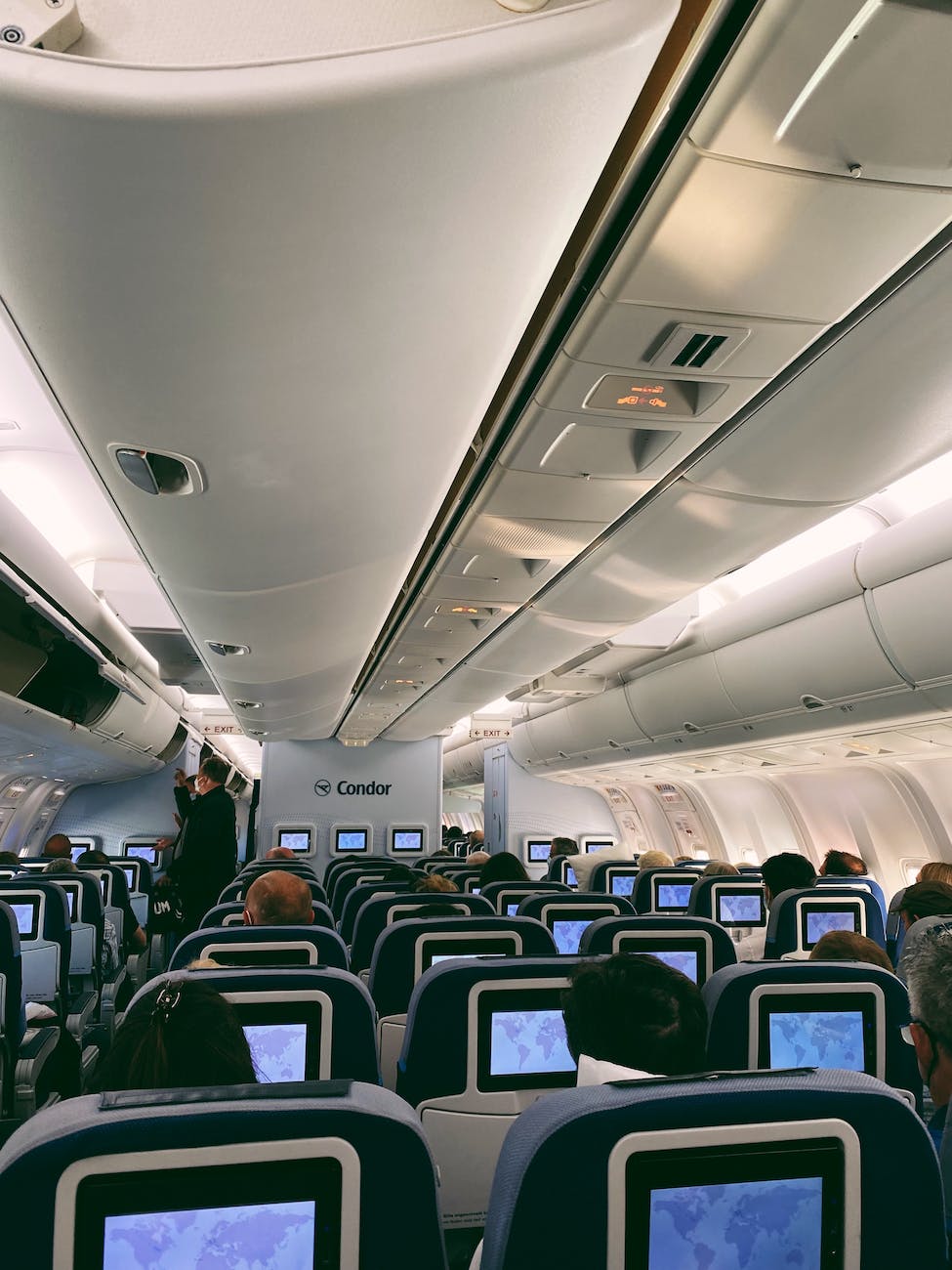
    In a significant development leaving many scratching their heads, Condor Airlines is set to introduce the first-ever long-haul service from San Antonio International Airport (SAT) to Frankfurt, Germany (FRA). Beginning in May 2024, travelers from the Alamo City will have the opportunity to embark on a journey across the Atlantic Ocean, connecting South Texas to Europe without the hassle of a layover.

    During a recent news conference, San Antonio’s Mayor Ron Nirenberg expressed his excitement, saying, “San Antonio, it is finally happening May of 2024. Get ready to fly to Europe.” This milestone flight, covering a distance of over 5,000 miles, will mark a historic moment for San Antonio, as the city’s airport opens its first direct route to Europe, an achievement described in a news release as “the most important thing to happen to San Antonio.”

    Condor Airlines plans to operate this service three times a week, with flights departing on Mondays, Wednesdays, and Fridays, making it a convenient option for travelers looking to explore Europe or visit friends and family across the pond. The airline will deploy the Airbus A330-900neo for this route, offering a total of 310 seats, which includes 30 in business class, 64 in premium economy, and 216 in economy class. This seasonal route will be available from May 17 through September 6 next year.

    City Manager Erik Walsh highlighted the collaborative effort that brought this project to fruition, stating, “I will tell you that this has been hard, and we work as a team every single day. I will also tell you that that teamwork has led us to today’s news and this transformative announcement.”

    San Antonio International Airport currently provides international flights primarily to various destinations in Mexico, including Cancun, Guadalajara, Leon, Mexico City, and Monterrey, served by carriers like Aeromexico Connect, Southwest, Sun Country (seasonal), VivaAerobus, and Volaris. However, with the introduction of Condor Airlines’ service to Frankfurt, the airport is poised to elevate its international connectivity.

    Interestingly, an August report from MySA shed light on the incentives offered to airlines in an effort to attract direct flights to Europe. Local businesses, including H-E-B, USAA, Holt Cat, and Frost Bank, collectively raised more than $2 million to make this initiative a reality, as reported by the San Antonio Express-News.

    However, as we look at the broader context and potential challenges, some questions arise. Why choose SAT when Austin’s Bergstrom Airport (AUS), just a little over an hour’s drive away, already provides access to a range of transatlantic flights, including British Airways to London Heathrow, KLM to Amsterdam, and Lufthansa to Frankfurt? Critics wonder why Condor would opt for SAT when these services are readily available to the traveling public at AUS.

    Additionally, skepticism surrounds the long-term viability of this venture. SAT, characterized by its modest size and facilities, has faced criticism for its limited concessions and less-than-stellar customer service, spanning from rude TSA interactions to the behavior of airline staff. Some travelers may find themselves pondering whether the airport can sustain enough traffic to Frankfurt to support this new route over the long run.

    Furthermore, the millions of dollars in incentives that have facilitated this groundbreaking seasonal service raise questions about its sustainability. Once these incentives expire, it remains to be seen whether Condor Airlines will continue to operate this route or if it will ultimately be discontinued after the initial season concludes in September 2024.

    As San Antonio prepares to welcome its first long-haul European flight, the success and impact of this new service will be closely watched by both travelers and aviation enthusiasts. Whether Condor’s gamble on SAT proves to be a visionary move or faces challenges down the runway, only time will tell.

  • AmEx Quietly Adds New Restrictions on Delta Cards

    AmEx Quietly Adds New Restrictions on Delta Cards

    AmEx has altered the deal – pray they do not alter it any further.

    American Express and Delta Airlines have long enjoyed a close partnership, offering a range of co-branded credit cards that have been popular among travelers seeking to maximize their SkyMiles and benefits. However, recent developments in the world of Delta and American Express credit cards have left many loyal SkyMiles members scratching their heads and, frankly, feeling a bit alienated.

    For years, American Express had a policy in place that allowed customers to enjoy a credit card welcome offer “once in a lifetime.” In practice, this typically translated to a wait period of 5 to 7 years before you could snag another tempting welcome offer. But there was a clever workaround for those savvy enough to exploit it – the various flavors of American Express Delta business and consumer cards were considered different products, enabling cardholders to potentially sextuple-dip into the world of Delta welcome offers.

    However, as the saying goes, all good things must come to an end, and it appears that the party may be over for the welcome offer aficionados. Danny the Deal Guru recently noticed the emergence of some intriguing “family language” on Delta consumer cards, similar to the language recently implemented on the AmEx Platinum family. This language, while not consistent across all Delta consumer cards, seems to put restrictions on obtaining a welcome offer if you’ve had other cards within the same family. Notably, Delta Business cards remain unaffected by these changes (for now).

    So, what’s the scoop on these new rules? Well, it seems the Gold Delta card is currently off-limits if you’ve had any of the three top cards in the Delta consumer card family in the past. However, there’s a glimmer of hope for those eyeing the Delta Platinum card – you might still be eligible for its welcome offer even if you’ve previously held the Gold card (though not the Reserve). And as for the Delta Reserve card, it appears to be business as usual, with no new restrictions in sight. Also notably, the Delta Blue card seems to go without mention, so that signup bonus may still be up for grabs. Some examples of the new language:

    You may not be eligible to receive a welcome offer if you have or have had this Card, the Delta SkyMiles® Platinum American Express Card, the Delta SkyMiles® Reserve American Express Card or previous versions of these Cards.

    Delta Gold Card

    You may not be eligible to receive a welcome offer if you have or have had this Card, the Delta SkyMiles® Reserve American Express Card or previous versions of these Cards. 

    Delta Platinum Card

    You may not be eligible to receive a welcome offer if you have or have had this Card or previous versions of this Card. 

    Delta Reserve Card

    Now, it’s worth noting that the variations in language between the Delta Platinum and Gold cards appear deliberate and targeted, rather than the result of a gradual rollout of a uniform family rule. Delta and Amex seem intent on allowing cardholders to ascend to more premium and expensive offerings, but they’re tightening the screws if you’re thinking of heading in the opposite direction. In other words, if you were planning to score welcome offers on all three cards by applying for the Gold, Platinum, and Reserve sequentially, you’re in luck. However, if you had your sights set on circling back to one of the other cards after having the Reserve or the Platinum, you might find yourself out of luck. This enhanced language has been aptly termed “waterfall language,” as signup bonus ineligibility “waterfalls” down from higher tier cards.

    As with many developments in the credit card rewards landscape, these rules are subject to change. It wasn’t long ago that Amex added more restrictive language to its various Platinum cards, so it’s entirely possible that we’ll see further tweaks down the road.

    In the ever-evolving world of credit card rewards, it’s crucial for travelers and points enthusiasts to stay vigilant and adapt to the changing landscape. With Delta’s recent moves to overhaul its SkyMiles loyalty program and tighten access to its SkyClubs, it’s clear that change is in the air. And if you’re not yet affected by these new rules, it may be worth grabbing the welcome bonuses for these cards before AmEx tightens the rules even further.

  • Southwest Airlines Faces Capacity Crunch at Orange County Airport

    Southwest Airlines Faces Capacity Crunch at Orange County Airport

    Southwest Airlines is facing a predicament at Orange County’s John Wayne Airport (SNA), where it seems like airline passengers might not be the airport’s favorite crowd – a rather ironic twist considering it’s, well, an airport.

    Back in 1985, noise concerns prompted a settlement that imposed restrictions on airport operations to the south. While modern planes have significantly reduced noise levels, there are still curfews in place, especially for late-night and early-morning departures (with Sundays having restrictions until 8 a.m.). The Board of Supervisors in Orange County has also set annual passenger limits for the airport, which translates into a slot program. Curiously, these passenger limits, though now framed as environmental concerns, tend to reward airlines for flying planes with empty seats.

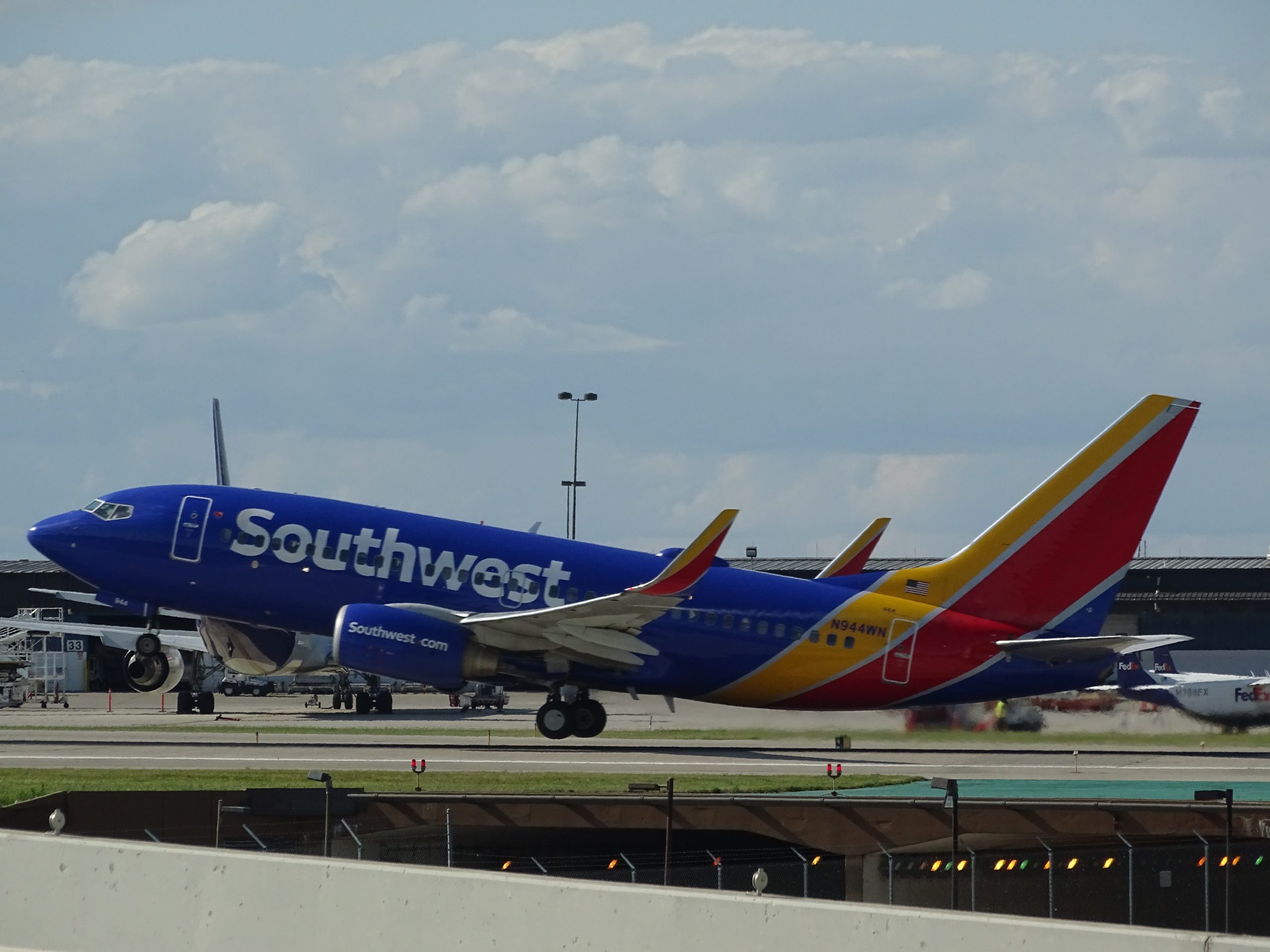
    Southwest Airlines, being the biggest player in the game at Orange County Airport, found themselves with a reduced allocation of 44 daily departures for 2023, down from 57 flights in the previous year. The airport’s method for determining these allocations is pretty straightforward – they take a guesstimate of how full flights will be and use that to back into the current cap of 11.8 million allowable passengers. And that’s how many flights they’ll allow.

    However, it seems like Southwest has been a bit too optimistic with their seat-filling strategy, as they’ve recently informed their employees that they’ve got a situation to handle in Orange County. In an attempt to balance the need for adequate commercial air transportation facilities with the local community’s desire for environmentally friendly operations, Orange County’s SNA airport has mandated that all airlines must reduce capacity on flights to and from the airport for the remainder of the year. As a result, Revenue Management has decided to put the brakes on the lid for Southwest’s SNA flights operating between September 9 and December 21, 2023. Existing reservations remain unaffected.

    In an effort to balance the needs of the Orange County community for adequate commercial air transportation facilities and the desire of the local community for environmentally responsible air transportation operations, SNA is requiring all airlines to reduce capacity on flights traveling to/from the airport through the end of the year. As a result, Revenue Management has lowered the lids on our SNA flights operating between September 9 and December 21, 2023. This will not impact existing reservations. Employees should not overbook any SNA flights through December 31, 2023.

    Now, what’s really interesting is how these restrictions play out in practice. Some flights are still selling tickets to as many as 143 or 175 passengers (the maximum capacity of Southwest’s 737-700 and -800/MAX 8 series aircraft, respectively) without any cap, while others have their passenger counts limited to 100 or, in some cases, a mere 79 passengers! If you happen to be flying in and out of Orange County’s John Wayne Airport, you might just get lucky with an empty middle seat beside you.

    But, here’s the thing – it’s essential to reiterate this point: flying planes with empty seats isn’t necessarily a win for the environment. In reality, it might even be worse. The plane is still up in the air, and folks still need to reach their destinations via alternative means. So, it’s a puzzle that needs solving, but the solution might not be as straightforward as it seems.

  • Vegas in Turmoil: MGM Cyberattack Unleashes Chaos on the Strip

    Vegas in Turmoil: MGM Cyberattack Unleashes Chaos on the Strip

    In a city where chaos often feels like the norm, the recent cyberattack on MGM Resorts has taken the chaos in Vegas to a whole new level. As the outages drag into their fourth day, it’s not just the cyber angle that’s causing concern; it’s the mayhem unfolding on the ground that’s truly disrupting the Vegas experience for many.

    Behind the scenes, the roots of this chaos trace back to a crafty social engineering attack against MGM’s helpdesk. The attacker, armed with little more than publicly-available employee info from LinkedIn, managed to socially engineer their way into the company’s systems. While most headlines are fixated on the cyber aspect, the real-world repercussions are nothing short of dramatic.

    First and foremost, the MGM app has gone dark. This means that making changes to existing reservations or creating new ones has become an exercise in frustration. Checking in? Well, don’t expect the convenience of digital keys either. Those shiny digital keycards are worthless now, and it’s not currently possible to get a new or replacement MGM Rewards player’s card, either.

    The chaos doesn’t stop there. Credit card processing has been hit or miss, with a surprising number of restaurants and retail outlets accepting cash only. It’s a stark reminder of how reliant we’ve become on digital transactions. If you’ve ever handed over your credit card details to MGM or possess an MGM Rewards credit card, it’s advisable to keep a close eye on your statements in the coming days and weeks. Those pesky hackers might confirm your card’s validity with tiny charges of one to a few cents.

    While the chaos is consistent across all MGM properties, there are some inconsistencies too, adding an extra layer of confusion. Some guests are finding it impossible to check in if they haven’t already done so. Others can’t get their keycards to work or obtain new ones, leading to long lines and security escorts back to their rooms.

    Now, let’s take a quick look at the unconfirmed reports flooding in from the (unofficial) MGM Rewards Facebook group. At Mandalay Bay/Delano, handwritten lists of guests checking in are reminiscent of a bygone era. People are being assigned to occupied rooms, creating all sorts of awkward encounters. The shortage of physical keycards with digital keys out of commission is limiting guests to just one per room. On the casino floor, only about a third of the slot machines are operational, and player’s cards might as well be playing cards.

    Meanwhile, the Bellagio is taking credit cards manually, and room charges within the Bellagio itself seem to be functioning smoothly. However, cross-charging between properties is a different story altogether.

    Allegedly, MGM has also called in corporate staff from headquarters to come out to resort properties and help manage the chaos. While this is the right move, it remains to be seen if this will be enough to help stem the bleeding as a result of this cyberattack.

    Of course, MGM has made headlines recently as a result of their breakup with Hyatt and new partnership with Marriott Bonvoy. Many details of the new partnership remain unknown, and I imagine finalizing those details isn’t exactly something that’s top-of-mind at MGM HQ right now.

    As the chaos in Vegas rages on, the true extent of the impact remains uncertain. For now, those in Sin City are left to navigate a world where technology has taken a back seat, and old-fashioned methods are making a comeback. In a place known for its extravagance and digital dazzle, it’s a stark reminder of just how fragile our digital world can be when faced with a well-executed cyberattack. Vegas, it seems, is dealing with a different kind of high-stakes game this time.

  • Delta SkyClub Access Faces Severe New Restrictions

    Delta SkyClub Access Faces Severe New Restrictions

    The rumor mill has been churning for months, and now it’s official – Delta Air Lines is tightening the reins on its Delta SkyClub access once again, in addition to other serious devaluations to the popular SkyMiles program. If you thought the previous restrictions were stringent, brace yourselves for even more changes that might leave frequent flyers a bit disillusioned.

    Delta SkyMiles Reserve Card Members:

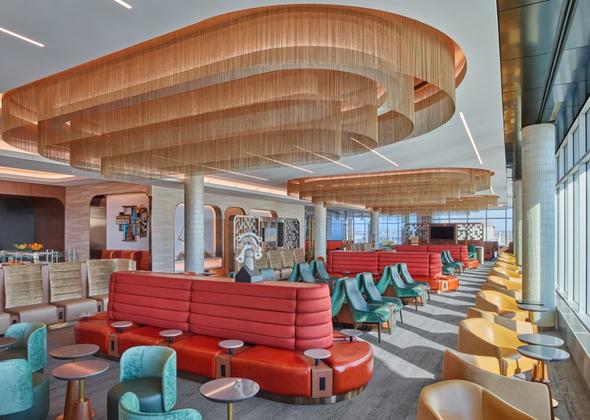
    Starting from February 1, 2025, Delta SkyMiles Reserve and Reserve Business American Express Card Members will only be eligible for 10 Delta Sky Club Visits per Medallion Year. Card Members can earn Unlimited Delta Sky Club Access after they’ve dished out a hefty $75,000 on their eligible Card within a calendar year (though the opportunity cost of not placing that spend on a more valuable card is huge). Once that milestone is reached, they’ll enjoy unlimited Delta Sky Club Access for the remainder of the current Medallion Year and the following one. Just to keep things clear, spend tracking for this new rule kicks off on January 1, 2024, for the 2025 Medallion Year.

    The Platinum Card® from American Express:

    For those carrying The Platinum Card and Business Platinum Card from American Express, there’s also a change in the wind. Starting February 1, 2025, Card Members will be granted a mere 6 Delta Sky Club Visits per Medallion Year. However, like their Reserve counterparts, they can earn unlimited Delta Sky Club Access after reaching that same $75,000 spend threshold within a calendar year. The same spend tracking timeframe applies, kicking in on January 1, 2024, for the 2025 Medallion Year.

    Delta SkyMiles Platinum Card Members:

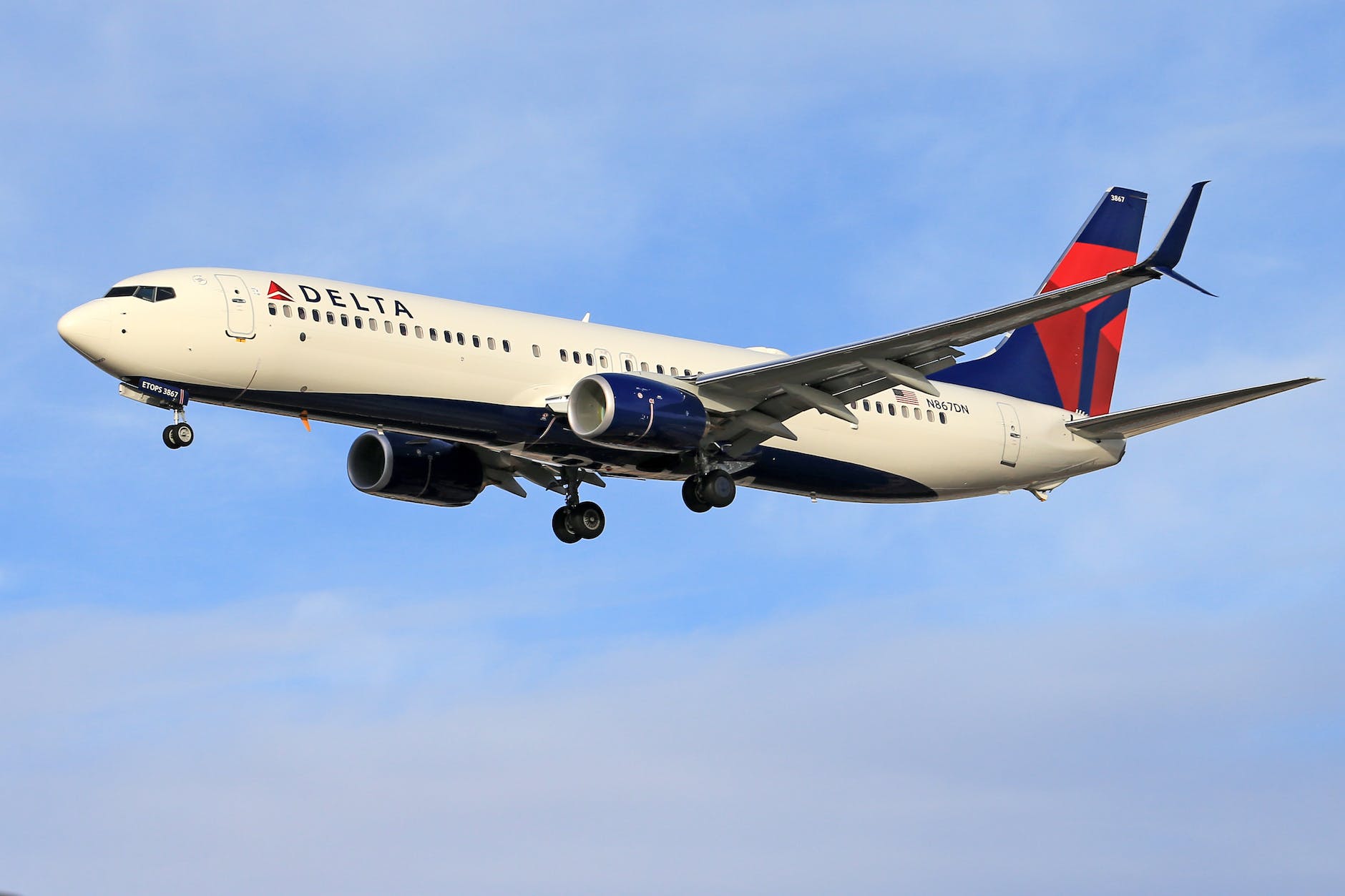
    Now, for those of you holding the Delta SkyMiles Platinum and Platinum Business American Express Cards, here’s the bad news – effective January 1, 2024, you’re out of luck. These cards will no longer provide Card Members with the ability to purchase access to Delta Sky Clubs. Previously, cardholders could purchase access for themselves and up to two guests at a rate of $50 per person. Unfortunately, that option is being shown the door, joining the ranks of day passes for the general public, which were eliminated years ago.

    Basic Economy Travelers:

    Lastly, for American Express Card Members who often find themselves in Basic Economy seats or their equivalent on partner airlines, prepare for disappointment. Effective January 1, 2024, you won’t be receiving Delta Sky Club Access. While those who purchased SkyClub memberships were previously barred when flying on Basic Economy tickets, those using eligible AmEx cards to access the SkyClub had enjoyed an exemption. However, that loophole is now closed.

    These changes might leave some Delta loyalists feeling a bit shortchanged, especially when coupled with the devaluation of the SkyMiles loyalty program. For now, all we can do is adapt to these new realities and make the most of the perks that remain. Remember, in the world of travel, the only constant is change.

  • Delta’s SkyMiles Program Takes a Hard Turn, Leaving Flyers Fuming

    Delta’s SkyMiles Program Takes a Hard Turn, Leaving Flyers Fuming

    Well, folks, it’s official. Delta has finally pulled the trigger on changes to its SkyMiles loyalty program that many of us had dreaded for a while. The rumor mill has been churning, and it turns out the whispers were right on the money. Brace yourselves, because this isn’t a story with a happy ending.

    The Unfriendly Shift: Going All-In on Revenue-Based

    Let’s cut straight to the chase. Delta is ditching its old loyalty program and going full steam ahead with the revenue-based model. Forget about those MQMs you’ve been hoarding; it’s all about the cold, hard cash you’re willing to part with now. Your Medallion Qualification Dollars (MQDs) are the new golden ticket, and it’s leaving a sour taste in the mouths of loyal Delta customers.

    If the shift to revenue-based alone doesn’t alienate travelers, the new MQD thresholds might. Obtaining lowly Silver Medallion status will now require $6,000 in MQDs, with Diamond now requiring a whopping $35,000 in MQDs. For comparison, $50k is widely considered the threshold to be considered for American’s secretive, invite-only ConciergeKey status. Sure, they’re calling it “simplification,” but to many, it feels more like a cash grab.

    SkyClub Access Limited Even Further

    On a busy news day like today, this merits a whole separate post, but we’d be remiss not to mention the new restrictions on SkyClub access with select AmEx cards.

    The Devil’s in the MQD Details

    Earning that elusive Medallion Status for 2025 (not 2024, mind you) now means you’ll need to focus solely on accumulating MQDs. In other words, if you’re not spending big bucks with Delta, you can kiss your Medallion Status goodbye. Flights, spend from select Amex Cards, car rentals, and Delta Vacations experiences are your only lifelines now. Miles flown? That’s so last season.

    But hey, if you’re clinging to your stash of Rollover MQMs from 2023, there’s a lifeline of sorts. In early 2024, Delta will generously allow you to convert them into redeemable miles, MQDs, or a mix of both. How generous of them!

    Million Milers Get a Boost

    For those who’ve put in the blood, sweat, and tears (and countless hours on Delta flights) to reach the million-mile milestone, here’s your reward: you move up a notch in Complimentary Upgrade priority, landing in third place.

    RIP MQD Waiver and Status Boost

    Delta SkyMiles American Express Cardholders, you’re in for a rough landing. The beloved MQD Waiver and Status Boost benefits are getting axed come December 31, 2023. Instead, members of the Delta SkyMiles® Reserve American Express Card and the Delta SkyMiles® Reserve Business American Express Card accumulate 1 MQD for each $10 they spend, while those with the Delta SkyMiles® Platinum American Express Card and the Delta SkyMiles® Platinum Business American Express Card earn 1 MQD for each $20 in purchases. Currently, there is no limit to the number of MQDs that may be obtained via this method, but it’s certainly not a 1:1 accumulation like AA’s Loyalty Points scheme.

    International SkyMiles Members: Welcome to the Pain

    For our international SkyMiles comrades, there’s no escaping the harsh reality either. Until now, you were earning your Status using MQMs or MQSs, but starting January 1, 2024, you’ll join the MQD club. Your foreign currencies will be mercilessly converted to USD at standard exchange rates and then turned into MQDs at a 1-to-1 ratio. No more gaming the system, folks.

    So, here we are, at the crossroads of disappointment and disillusionment. Delta’s gamble with these drastic changes may well send a wave of disgruntled flyers to rival airlines like United and American – which while both these programs are also revenue-based, they don’t sting quite as much as the new Delta program. And while American’s switch to Loyalty Points in 2022 angered many at first, their innovative approach to revenue-based status is interesting and (dare I say) has actually put the fun back into earning status.

    As the rumor mill predicted, the future for SkyMiles members is looking a lot less friendly. Keep your seatbelts fastened, folks; it’s going to be a turbulent ride ahead.