Author: user

  • AA Flyers: Can You Still Renew That Qantas Club Membership You Bought Last Year?

    AA Flyers: Can You Still Renew That Qantas Club Membership You Bought Last Year?

    Last year, the eagle-eyed American Airlines aficionados among us pounced on an incredible opportunity offered by Qantas, a prominent member of the Oneworld alliance and a strategic partner of AA. For a mere $203, they locked in Qantas Club memberships, effectively doubling as pseudo-Admirals Club memberships, thanks to this alliance partnership. It was a deal that savvy travelers couldn’t pass up.

    Just last month, I shared some renewal offers that were going out for a similarly low $260 price tag. I initially believed this was a special promotion, but it seems it’s the standard renewal price for flyers based outside Oceania. I don’t recall the price ever being differentiated like that, but I won’t complain—it’s great news for those of us in the United States.

    With many of our memberships having expired in October, you might be wondering if you can still renew at that fantastic price and dodge the AUD $99 initiation fee, which currently translates to around USD $63. Well, I’m happy to confirm that you absolutely can!

    There’s a 90-day grace period after your membership expires, allowing you to renew without incurring the initiation fee or the higher cost of a first-year membership (AUD$450 vs AUD$410, at time of writing about a USD$25 difference). According to the fine print on the Qantas website:

    Qantas Club membership and access is subject to the Terms and Conditions of the Qantas Club.  If you renew your membership within 90-days of expiry, your membership will be valid for 12 months, 2 or 4 years (depending on the term of your membership) from your original expiry date, and not from the date of renewal. Any attempt to join after the 90-days will incur a $99 join fee in addition to the new member Individual, Partner or Corporate membership fee.

    Excerpt, Qantas Club fine print

    One key point to remember is that renewing during the grace period with the initiation fee waived will result in your new membership expiration date being based on the original expiry date, not the date you renewed. So, while the grace period is a generous benefit, there’s really no reason to delay your renewal.

    What’s more, the cost of a Qantas Club membership is substantially lower than an Admirals Club membership purchased from American Airlines. This year, Admirals Club membership prices shot up to a whopping $850. Even the Citi/AAdvantage Executive World Elite card, which includes Admirals Club membership, saw its fee rise from $450 to $595. That makes the Qantas Club membership renewal price even more appealing.

    It’s important to note that the Qantas Club membership does come with a guest allowance restriction, allowing only one guest traveling on the same PNR. In contrast, direct Admirals Club memberships permit up to two guests, and they can be anyone you choose so long as they are able to get airside. If this is important to you, you may want to pass on this offer.

    Remember that lounge access policies may vary between Oneworld airlines, so it’s always a good idea to check the specific terms and conditions for the carrier you plan to fly. Most airlines outside the US don’t offer paid lounge memberships, and therefore don’t have to honor paid memberships from alliance partners. For example, British Airways doesn’t honor paid memberships from other Oneworld carriers, as they don’t sell lounge memberships to their own members; you’d need to be flying Business or First class, or hold Oneworld Sapphire or Emerald status to gain access to most BA lounges.

    If you already have a Qantas Club membership, I strongly recommend renewing at this unbeatable price, especially in light of the ever-increasing costs of Admirals Club memberships through American Airlines. Don’t miss out on this deal while it’s still available!
  • American Airlines Quietly Removes Popular Feature from Mobile App

    American Airlines Quietly Removes Popular Feature from Mobile App

    American Airlines has recently made a subtle yet notable tweak to its iOS and Android apps that might not sit well with some frequent flyers. The airline’s mobile applications have often been critiqued for their outdated design and functionality, trailing behind competitors like United. Some sections of the app don’t operate as native mobile components but instead function as a wrapped version of AA’s mobile website, resulting in a sluggish and somewhat unrefined user experience. It’s like hopping in a time machine back to 2011. At least AA has had bag tracking in-app much longer than some of its competitors.

    One feature that stood out and received positive feedback was the “Wallet” section nestled within the app. This section provided users with a comprehensive view of their credits and rewards associated with American Airlines. From flight credits to trip credits and even preferred seat coupons, the Wallet feature offered a convenient snapshot of one’s accumulated perks. However, it appears that this functionality has quietly disappeared from the app’s interface.

    But hold on—don’t hit the panic button just yet. While the Wallet feature seems to have been removed, the information it housed hasn’t vanished into thin air. Instead, it’s been relocated within the app. Users can now find this data starting from the familiar page displaying AAdvantage membership information (tap your name & award mile balance from the home screen to get here). There, a couple of new buttons have emerged: “Travel Credit” for flight and trip credits and “Rewards” for various perks like preferred seat coupons, although these might not hold much value for AAdvantage elite members, who are already entitled to complimentary preferred seating at the time of booking.

    For many of us, this might not be a significant inconvenience. Truth be told, most people aren’t necessarily seeking this specific information simultaneously. While seasoned flyers might find the change irksome, the adjustment could actually make it easier for those who don’t navigate the skies as frequently to understand the layout of the app. As a frequent user of the app, I know my way around its quirky layout, and can find everything I need pretty quickly. However, I’ve watched friends and relatives struggle to understand how to use the app’s more advanced functionalities, like finding flight credits or seeing a running transcript of AAdvantage activity.

    Ultimately, this isn’t a big deal for most of us. I’d love to see American one day overhaul their app and follow United’s lead into creating something that’s (dare I say) enjoyable to use. While new CEO Robert Isom is doing a great job improving the airline’s performance and customer service, a better app could free up phone agents to focus on tackling complex situations and not spend as much time helping with routine requests.

  • Marriott Shakes Up Suite Night Awards, Sets Realistic Expectations for 2024

    Marriott Shakes Up Suite Night Awards, Sets Realistic Expectations for 2024

    Changes are coming to Marriott Bonvoy’s upgrade awards in 2024. First and foremost, the Suite Night Awards that we’ve grown accustomed to will be rebranded as “nightly upgrade awards.” Marriott seems to be using this new name to set the record straight: don’t expect to be swimming in suite upgrades, even if you’re an elite member.

    Now, let’s dig into the nitty-gritty details. These nightly upgrade awards will extend their reach to a broader range of brands, including Ritz-Carlton, EDITION, Aloft, Element, and Protea Hotels. While the notion of an upgrade at an Aloft might be puzzling, the prospect of an upgrade at Ritz-Carlton or EDITION is genuinely exciting, as it enhances the overall program experience. Ritz-Carlton previously hardly offered any elite benefits at all, so it’s nice to see them aligning the brand a little more closely with competitor Park Hyatt, where full elite benefits are offered to World of Hyatt members.

    The suite upgrade game is also evolving in terms of room types. Marriott will expand the room inventory, adding nearly 20% more room types beyond just suites. Expect to see options like oceanfront rooms, balconies, and additional space, though it’s worth noting that even with these new room types, the 20% figure they’re promoting is influenced by the inclusion of five additional brands.

    One significant shift to be aware of is the timing of upgrade processing. In the past, suite upgrade requests were considered five days prior to check-in. However, Marriott is shortening the upgrade window, now processing upgrades a mere three days before arrival and allowing more time to upsell on paid upgrades or sell the suites outright. This puts them in stark contrast to Hyatt and IHG, who confirm upgrades in advance, either at booking or 14 days before check-in.

    Marriott will often try to upsell guests, even non-elites, on paid suite upgrades. In contrast, IHG and Hyatt are more generous when it comes to offering suite upgrades to elite members. On the opposite end of the spectrum, Hilton doesn’t seem to have a defined policy on suite upgrades, leaving it up to the discretion of the front desk agent.

    In the end, this isn’t as groundbreaking as it sounds; what Marriott is doing with upgrade awards is simply a step toward setting realistic expectations for Platinum elites and higher. While upgrades will still be part of the perks, the chances of snagging a suite are slim. In many ways, Marriott is merely formalizing what has been the unofficial policy for years – many Bonvoy elites will attest to difficulty in redeeming SNA awards under the current scheme. So, as you look ahead to 2024, keep these changes in mind when planning your Marriott stays. Happy travels!

    h/t View From the Wing

  • Pink Slip Parade: Delta Gives Axe to Some Corporate Staff

    Pink Slip Parade: Delta Gives Axe to Some Corporate Staff

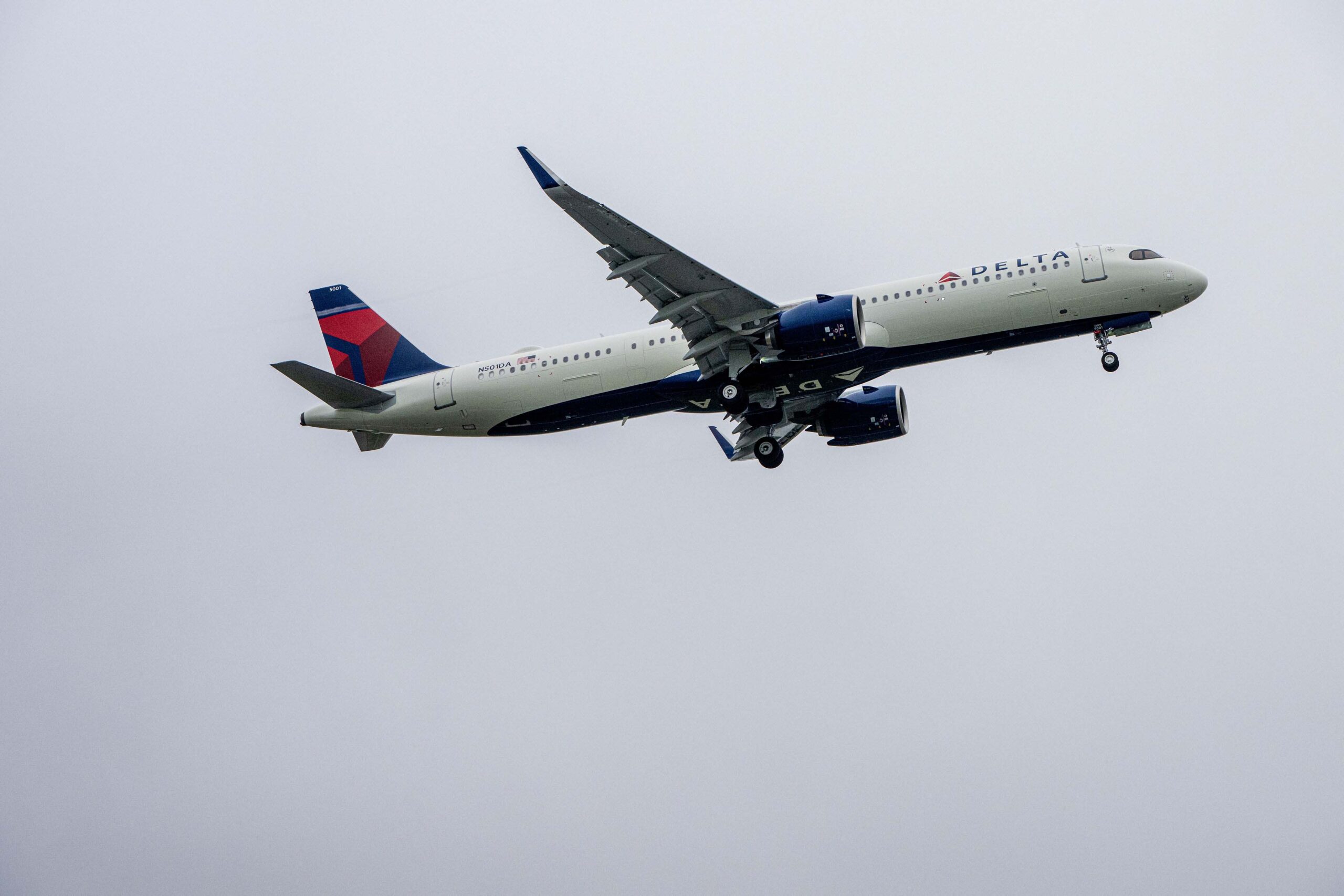
    Well, well, well, it seems Delta Air Lines is trimming the fat. The airline recently announced layoffs in their corporate and management ranks as part of their ongoing cost-cutting efforts.

    Of course, they didn’t specify exactly how many employees would be getting the pink slip, and they made sure to reassure us that this won’t affect the folks on the front lines – you know, the pilots and flight attendants.

    Delta’s statement to CNBC had all the usual corporate jargon about making “adjustments to programs, budgets, and organizational structures.” Translation: “We’re slashing jobs to save a few bucks, and don’t ask us how many.”

    While we’re not yet back to full capacity, now is the time to make adjustments to programs, budgets and organizational structures across Delta to meet our stated goals — one part of this effort includes adjustments to corporate staffing in support of these changes. These decisions are never made lightly but always with care and respect for our impacted team members and the Delta family.

    Delta statement to CNBC

    It’s interesting to note that not too long ago, Delta, along with other airlines, were hiring like there was no tomorrow. The post-COVID revenge travel boom was in full swing, and airlines were in a rush to bring more hands on deck.

    But now, that boom seems to be drying up faster than a puddle in the desert. International travel, especially to Europe, is still hanging in there, but domestic demand is taking a nosedive. Delta might be the first major airline to publicly announce layoffs, but it’s not the only one feeling the heat.

    Spirit Airlines recently put a halt on hiring, citing a drop in demand and Pratt & Whitney engine issues with their A320neo fleet. The airline industry is facing some headwinds, no doubt. However, we can’t paint the whole industry with the same brush just yet. It appears that most of the pain is being felt by low-cost carriers, and that’s probably because the bulk of their routes are domestic. While Southwest hasn’t announced any broad personnel actions just yet, they did make positive changes to their Rapid Rewards program – usually not something you see when times are good. If you were placing bets on broad layoffs at a legacy carrier, you might want to keep an eye on American Airlines, as their international route network isn’t as robust as their peers, and they’ve had a rough couple months financially, owing to payouts tied to new union contracts.

    Of course, there’s always the possibility that Delta just went on a hiring spree during COVID and is now realizing they’ve got too many cooks in the kitchen. Maybe they should’ve thought a little more strategically before expanding their corporate team.

    Some are speculating that this could be payback from frequent flyers who are none too pleased with the recent changes to Delta’s SkyMiles program. Medallion status is now all about how much cash you’re shelling out, and it’s a lot harder to attain. SkyClub access has been tightened up, and those Delta Reserve and AmEx Platinum cardholders can kiss their unlimited access goodbye.

    Sure, Delta tried to appease their elites with a partial rollback, but CEO Ed Bastian, aka “Fast Eddie,” pretty much spilled the beans to investors that this is just a temporary move. Looks like Delta has shown its true intentions, and it’s not sitting well with the loyal flyers. However, it’s likely that if this is in fact the cause, we won’t see any empirical evidence of this until at least Delta’s next 10-Q.

    So, what’s really going on at Delta? Are they just streamlining their operations, or are they facing a rebellion from their most loyal customers? Only time will tell, but one thing’s for sure – the airline industry is in for a bumpy ride.

  • AI-Powered Employee Screening Trialed at DEN: Should it be Piloted for PreCheck Passengers, Too?

    AI-Powered Employee Screening Trialed at DEN: Should it be Piloted for PreCheck Passengers, Too?

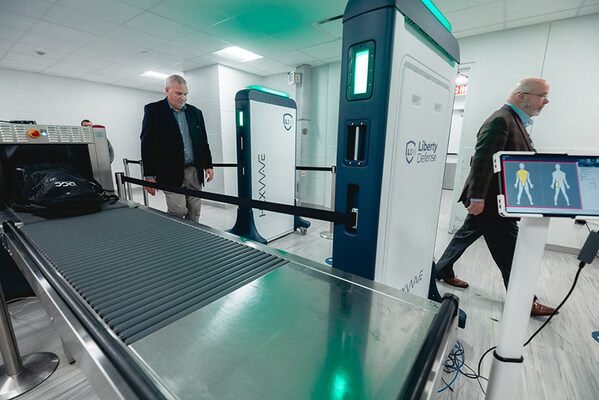
    Denver International Airport (DEN) is stepping into the future of airport security, announcing a trial run of the HEXWAVE system for employee screening. Developed by Canadian company Liberty Defense Holdings Ltd., this cutting-edge technology integrates AI, millimeter wave technology (similar to what’s currently used in the Leidos full-body scanners for non-PreCheck passengers), and advanced 3D imaging to detect both metallic and non-metallic threats without requiring individuals to remove common items like phones or keys. The trial will take place at the south employee checkpoint in the Great Hall, and marks a significant shift in aviation worker screening, who traditionally are only pulled aside for screening at random under the Known Crewmember (KCM) program.

    This initiative comes amid a broader reassessment of the KCM program, and several recent disturbing incidents involving crew members. These incidents, notably the alarming attempt by an off-duty Alaska Airlines pilot to bring down a Horizon Air E175 midflight and a Delta pilot brandishing a gun during a disagreement over a medical diversion, have raised critical questions about the effectiveness of security procedures pertaining to crew members. Admittedly, these portals likely wouldn’t have done much to stop either incident; the Delta pilot was authorized to carry a weapon on board under the voluntary Federal Flight Deck Officer (FFDO) scheme – one we expect will be closely looked at over the coming weeks and months.

    While details of the specifics of the pilot program are, of course, under wraps, it’s likely we’ll see this technology used to pivot from random screenings of crew to consistently (but efficiently) screening them upon every entry. While obviously crew are in control of the aircraft whether they possess a weapon or not, this could prevent a scenario where a threat actor enlists an airline employee as an accomplice to smuggle something into the sterile area, handing it over post-security.

    While the introduction of these advanced detection portals is poised to potentially revolutionize airport security, their impact on crew members, if implemented more widely, is expected to be minimal. Comparable to the Evolv Express platform used at Walt Disney World, these AI-based detection systems offer efficient screening without the need to stop moving, line up single-file, or divest personal items. The only time there’s a need to stop is if a potential threat is identified, at which point the individual in question is pulled aside by nearby officers; otherwise, you pretty much get waved through.

    https://youtu.be/ZEt_-ak2YQI
    The Evolv Express platform, currently used by Disney, is comparable to the HEXWAVE system being trialled at DEN. While filled with marketing speak, this provides a pretty good idea of how it works.

    Currently, this screening technology is solely for workers. However, it begs the question if these portals could potentially one day be extended to TSA PreCheck passengers – which would be a win-win for both safety and passenger experience. It could enhance safety by effectively detecting non-metallic weapons such as those produced by 3D printers, which conventional magnetometers struggle to identify. Moreover, it promises a smoother, faster screening process for passengers, eliminating the hassle of removing personal items and even small bags. If that were implemented, all they’d need to do to significantly increase throughput would be to do something about those horrendously slow Analogic CT scanners (maybe the technology will reach a point where conveyor-based systems are rendered obsolete altogether?).

    The trial at Denver International Airport presents a glimpse into the future of airport security. While it may not directly address all the concerns surrounding recent crew incidents, the implementation of such innovative technology could potentially reshape the landscape of airport security for both employees and passengers alike.

  • Delta Pilot Allegedly Pulled Gun on Captain, Threatened to Shoot

    Delta Pilot Allegedly Pulled Gun on Captain, Threatened to Shoot

    In a shocking incident that took place in August 2022, reported in a recent grand jury indictment uncovered by the AP, a pilot, Jonathan J. Dunn, who was a participant in the Transportation Security Administration’s Federal Flight Deck Officer (FFDO) program, has been indicted for allegedly threatening to shoot the plane’s captain if the flight was diverted due to a passenger requiring medical attention.

    Dunn, who had previously been authorized to carry a firearm on board as part of the TSA FFDO program, now finds himself expelled from this program and facing serious legal consequences. His employment with Delta Air Lines has also, of course, been terminated.

    The dispute arose over the potential diversion of the flight because of a passenger’s medical emergency. Dunn reportedly threatened the captain with multiple gunshots if the flight was diverted.

    The details surrounding the incident, including the airline, flight route, and whether the diversion eventually occurred, remain undisclosed. The Transportation Department’s inspector general’s office is working alongside the FBI and the Federal Aviation Administration to investigate this alarming case.

    Dunn’s indictment, issued by a grand jury in Utah, alleges that he “did use a dangerous weapon in assaulting and intimidating the crew member,” a felony that carries a maximum penalty of 20 years in prison. An arraignment for Dunn is scheduled for November 16.

    This disturbing revelation comes just days after an off-duty pilot in the jumpseat attempted to shut down the engines of a Horizon Air jet midflight. Joseph David Emerson, an Alaska Airlines pilot, cited depression and psychedelic mushrooms use as contributing factors. This incident raises questions about the screening processes for pilots, as they are primarily reliant on self-disclosure during medical exams. Trustworthiness and mental health assessments are vital, as even a perceived issue can have serious consequences in the airline industry. Passengers have to be able to trust the people flying the airplane beyond any reasonable doubt.

    It will be interesting to see if new security measures are implemented as a result of these incidents. While this particular incident took place over a year ago, the timing of this revelation coming so soon after the Horizon 2059 incident is sure to raise some eyebrows among Federal officials and the traveling public. Jumpseats are a critical piece of the airline logistics puzzle, helping crew members reposition and commute to work. Meanwhile, absent having air marshals present on most flights – just like one of many measures El Al takes to protect passengers, the FFDO program theoretically sounds like a great idea – pilots are already (again, in theory) subject to a high degree of vetting, so why not deputize them?

    Following these incidents, however, I could see Uncle Sam taking a very close look at just how much trust we’re blindly placing in our airline crews. Of course, the overwhelming majority of airline crew members in the US are trained, trustworthy professionals who just want to get you from point A to point B safely. And those who do it right, who dedicate their careers to our safety, deserve our respect. However, as they say, a few bad apples spoil the bunch – and given lives are at stake here, I could see a re-evaluation of protocols taking place over the coming months. In fact, we already see Known Crewmember (KCM) protocols being revisited, with DEN piloting new screening technology for crew.

    The incident involving Dunn and the recent Horizon incident underscore the importance of ensuring the mental and emotional well-being of those responsible for flying commercial aircraft. Maintaining the highest standards of trust and mental health screening is critical to guaranteeing passenger safety and the smooth operation of our airline industry.

  • Southwest Airlines Braces for DOT Fine Following 2022 Holiday Fiasco

    Southwest Airlines Braces for DOT Fine Following 2022 Holiday Fiasco

    Southwest Airlines is bracing itself for a hefty fine from the U.S. Department of Transportation (DOT) in the wake of the notorious Christmas 2022 travel chaos that left a staggering 16,700 flights canceled, impacting over 2 million passengers. According to reports from Reuters based on a Southwest SEC filing, the DOT has pinpointed several shortcomings on the part of Southwest, citing inadequate customer service, delayed flight status notifications, and sluggish refund processes as grounds for a looming civil penalty.

    Based on the wide-scale operational disruption for the Company, which led to the cancelation of a significant number of flights between December 21 and December 29, 2022, the Company could be subject to fines and/or penalties resulting from investigations by the Department of Transportation or other government agencies. See Note 1. On October 27, 2023, the Department of Transportation notified the Company that it has determined the Company had failed to provide adequate customer service assistance, prompt flight status notifications, and proper and prompt refunds and that the assessment of a civil penalty is warranted. The Company could also face monetary damages or other costs resulting from litigation initiated by Customers and/or Shareholders. The Company is currently not able to estimate a range of possible loss for such items.

    Disclosure on Southwest Airlines Form 10-Q, as filed with SEC on Oct 30, 2023

    While weather-related disruptions affected multiple airlines during mid-December, Southwest’s operational woes stood out as it disproportionately bore the brunt of cancellations. For three consecutive days, the airline axed over 60% of its flights, all due to its antiquated internal scheduling system—a major setback earning it the unfortunate moniker “Southworst” among some frequent travelers, and even causing SNL to take aim at the airline in the form of a scathing skit.

    I wonder if this skit was written by an AA loyalist?

    CEO Bob Jordan tried to appease critics by highlighting the compensation efforts made—promising refunds, travel credits, free tickets, rewards points, and reimbursements for additional expenses incurred by passengers. However, reports surfaced about the lack of availability and untimely delivery of this compensation, leaving many passengers angered.

    Uncle Sam isn’t alone in looking to throw the book at WN; Southwest found itself embroiled in legal troubles as well. Shareholders rallied with a class action lawsuit, accusing the airline of disseminating “materially false and misleading” information over a two-year period that contributed to the holiday meltdown.

    Attempting damage control, Southwest emphasized improvements, including upgraded de-icing capacity and increased staffing to better handle winter weather. The airline also took steps towards rebuilding its image, introducing advancements like baggage tracking, a feature that was sorely missed during the Christmas 2022 debacle, when numerous bags went missing. Positive changes were made to their Rapid Rewards program, making elite status more attainable, yet the lingering question remains: will these efforts be sufficient to win back customer trust?

    Southwest Airlines seems to be acknowledging its need to step into the 21st century, making strides towards remedying past failures. As they try to restore their reputation and regain the confidence of their customer base, the airline faces an uphill battle to prove that these changes are more than mere cosmetic adjustments. Whether the measures taken will be enough to regain the loyalty of passengers, only time will tell.

  • No-Show on a Hertz Reservation? That Will Now Cost You… Dearly

    No-Show on a Hertz Reservation? That Will Now Cost You… Dearly

    Rental car giant Hertz has discreetly rolled out a significant change in their policies, introducing the imposition of no-show fees across a wide swath of bookings. In the world of rental cars, it’s been a long-standing tradition that direct bookings seldom entail no-show fees, except for prepaid reservations where cancellation or changes are off the table, and the full amount is non-refundable.

    However, Hertz has very quietly changed the rules in a very big way, now requiring payment for a complete day at the base rate if a customer fails to show up. The recently added language in the fine print at checkout unequivocally states, “Reservations must be cancelled prior to pick-up time or will be subject to a $111.29 USD No-Show Fee. A valid credit card must be presented at the time of rental to complete the reservation.” (Substitute the $111.29 with 1x the daily rate)

    An additional blow comes for those utilizing Hertz Gold Plus Rewards points for their bookings. In the event of a no-show, the points are refunded, but the customer is charged at the prevailing cash base rate—ouch.

    One might argue, “Well, I won’t find myself in that situation. I’m responsible and would never no-show on a rental car reservation.” But consider this scenario: imagine being stuck on a delayed flight without reliable Wi-Fi, unable to cancel your reservation before the no-show fee kicks in. Or maybe your travel day was hectic, and your rental car was the last thing on your mind. It’s a risk not worth taking.

    The prevalence of rental car shortages during the pandemic led many to get in the habit of securing backup reservations with alternative rental companies in case their preferred choice failed to come through for them. However, I’d now advise to end that practice to avoid being charged a potentially significant amount of money.

    Seinfeld was ahead of his time here.

    We normally advise against using an OTA to book most travel. However, an interim solution here could be booking through an OTA like Costco Travel or Autoslash, currently exempt from this policy shift. Yet, a word of caution: this exemption might change without notice, so always check carefully during the booking process.

    Notably, Hertz’s subsidiaries Dollar and Thrifty have yet to implement this policy change. Thrifty’s website explicitly states, “No cancellation fees apply if you choose the ‘Most Flexible’ payment option.” However, it wouldn’t be surprising if this policy change permeates across these entities in the future.

    The implications of this move by Hertz raise questions about the industry as a whole. Will competitors like AvisBudget Group and Enterprise Holdings Mobility follow suit? Again, it’s critical to read carefully while booking, as policies can shift rapidly without warning – and if Hertz is any indication, it’s unlikely these policies will exactly be announced via a flashing neon sign.

    The decline in Hertz’s services has been a topic of discussion, particularly after the company was sold to Apollo Global Management amidst pandemic-induced financial struggles. Instances of renters being wrongfully arrested due to Hertz renting out cars previously reported stolen, as well as difficulties in honoring reservations, have marred the company’s reputation. The recent alteration in points expiration policy from 18 to 12 months, without prior notice, further highlights the tumultuous changes within the company.

    h/t Dave from MilesTalk

  • Enterprise Holdings Rebrands, But Does Anyone Really Care?

    Enterprise Holdings Rebrands, But Does Anyone Really Care?

    I received this recent missive from the fine folks at National, and let me tell you, it’s a masterclass in corporate hoopla.

    Dear Adam,

    We’d like to thank you for your loyalty as a valued Emerald Club® member – and we’d also like to share with you an exciting announcement regarding our business.

    National Car Rental® not only helps you Go Like A Pro®: It’s also part of a global portfolio of mobility solutions. Now, as we look to help shape the future of mobility, we are connecting our full portfolio under a new corporate brand — Enterprise Mobility.

    This portfolio includes car rental, fleet management, flexible vehicle hire, carsharing, vanpooling, car sales, truck rental, vehicle subscriptions, luxury rentals, technology solutions and more.

    While we are introducing a new corporate brand, the Enterprise Mobility portfolio of brands, including National Car Rental and the Emerald Club program, will remain unchanged.

    There are no changes for you and no actions you need to take.


    Although the corporate brand is changing, who we are is not.

    We will continue to deliver you exceptional service, innovate with intention to help meet your mobility needs, and invest in and reward our loyal members like you.

    Thank you for helping us shape the future of mobility.

    Email from National Emerald Club

    They want to let us know that they’re part of this grand Enterprise Mobility™ rebrand. According to the email, nothing changes for us—no actions required, no adjustments, just the same ol’ same ol’.

    In the press release, the Enterprise bigwigs are making a big deal about “ushering in a new era” and “moving mobility forward.” They’re throwing around phrases like “purpose-led” and “people first.” But essentially, it seems like a renaming party for a bunch of services they already had.

    Chrissy Taylor, President & CEO of Enterprise Mobility, waxes poetic about the company’s evolution. She’s mentioning a new visual identity, a refreshed corporate purpose, and a lot of sentimental musing about their history, which is all nice and dandy. But let’s face it, it’s a rebranding exercise – a facelift for a business that’s been around the block for a while. You can read the full press release here if you choose – but be warned, it’s a lot of fluff and not much substance.

    What’s my take on all this hullabaloo? Well, it seems like Enterprise might be trying to dip their toes into other mobility markets beyond just car rental. Maybe they’re eyeing a slice of the rideshare pie dominated by Uber and Lyft? Time will tell if this move will amount to anything significant. Consider that Marriott and, more recently, Hyatt have both dipped their toes into the short-term vacation rental space, going head-to-head with Airbnb and VRBO, perhaps in a move to lure in Millenial and Gen Z travelers who tend to eschew traditional hotels in favor of non-traditional alternatives. Could Enterprise be trying to do the same with Uber and Lyft? I’m not sure it’d be smart, but it would sound good in a boardroom – seriously, the blueprint for every college Entrepreneurship class project (and most actual tech startups for that matter) seems to boil down to “it’s like Uber, but for _________.”

    But my concern is whether this will impact the trusty old National brand and the Emerald Club program over the long-term. The email and press release don’t give many concrete answers about much of anything. While National is arguably still the best car rental loyalty program out there, it’s slowly declined over the years both in selection of cars and customer service quality. Hopefully Enterprise doesn’t use this little reorg as a means by which to infuse even more Enterprise culture into National, or bring the Emerald Club any closer to its sister program, Enterprise Plus (which only offers its top-tier Platinum members a whopping four upgrades per year… meanwhile I can probably count on one hand the number of times National didn’t upgrade me).

    Also, let’s just take a moment to consider just how bad this new name is. If I had no prior knowledge of Enterprise, I’d have to ask myself: “what does this company actually do?” They say they’re in the business of mobility. Does that mean they manufacture wheelchairs and crutches? Have they pivoted to selling mobile phone plans? Can an international traveler visit the Enterprise Mobility booth at O’Hare and buy a local SIM card before leaving the airport? The name just doesn’t tell me a lot. If virtually everyone didn’t already recognize the Enterprise name and logo, this would be terrible marketing.

    For now, this rebranding doesn’t seem to be more than a corporate shuffling of the deck. Let’s hope it doesn’t lead to any drastic changes that would ruffle the feathers of frequent travelers down the road.

  • Southwest Airlines’ Boarding Anarchy: When Rules Don’t Rule the Gates

    Southwest Airlines’ Boarding Anarchy: When Rules Don’t Rule the Gates

    If you’ve ever flown Southwest, you’re probably familiar with their rather unique approach to boarding. It’s a free-for-all, where you’re assigned a boarding position (A, B, or C) and a number, and you’re left to fend for yourself when it’s time to claim your seat. There are no seat assignments, so whoever physically gets to a seat first can sit down and claim it. Sometimes people try to save seats for friends and family with later boarding positions, or they’ll “save” the middle seat in hopes of keeping it empty. Now, I’ll be the first to admit that I’m not a fan of this “Hunger Games” style scramble for a seat, but it’s the price you pay for the airline’s (allegedly) low fares and free checked bags (despite the fact most other airlines will give you this for simply holding a $95 credit card). You either love it or you hate it. I tend to fall into the latter category.

    One of the main reasons I avoid flying Southwest is their obnoxious first-come, first-served seating policy. You have to check in EXACTLY at T-24 to avoid the dreaded C boarding group and the possibility of a middle seat. Even if you do manage to check in at the right time, the notion of a true first-come, first-served setup isn’t entirely accurate. You’re still positioned after Business Select, Elite Members, and those who paid up for EarlyBird check-in. And good luck with that, because it’s only offered on select flights now. You can’t win.

    But let’s talk about the real issue here – Southwest’s gate agents and their enforcement of the boarding process. According to a recent Reddit thread, it seems that some passengers are taking matters into their own hands. People with B and even C boarding positions are sneaking into the A line and getting away with it. How is this happening? Do gate agents just assume everyone is lined up where they belong, and only listen for the scan beep? It’s a valid question. Clearly their gate agents have an issue not going to la la land during the boarding process, as a stowaway recently got past Southwest gate agents, only getting caught as a result of the flight being completely full.

    Some travelers have reported instances of gate agents actually checking and enforcing the boarding order. So, it’s clear that there are still some gate agents out there who are doing their jobs. But the real problem is the inconsistency. Some gate agents follow the rules, and others seem to let things slide. The honor system simply does not work in this setting – people will take advantage of it.

    To be sure, Southwest is far from the only airline with lax enforcement of boarding order. However, the impact on passengers is much more severe on Southwest, as combined with its open seating policy, boarding order determines not when you’ll reach your preferred seat, but if you’ll get a desirable seat at all. On airlines with more civilized boarding procedures, I actually prefer to be one of the last to board, and take the “now boarding” push notification as a sign I should finish up one more drink at the lounge. Doing this on Southwest, however, would all but guarantee a dreaded middle seat near the aft lavatories.

    Southwest’s unique boarding system isn’t the only thing that’s been causing headaches for passengers lately. The airline has faced operational challenges, including a full-scale network meltdown over Christmas 2022. They’ve tried to make amends with changes to their Rapid Rewards program and joining us in the 21st century with baggage tracking, but it’s clear that there are still issues that need to be addressed.

    So, what’s the solution here? Either gate agents need to do their jobs and enforce the boarding order consistently, or the software used to scan boarding passes needs to be changed to deny premature scans. It’s not rocket science. If you try to board before your group is called, you shouldn’t get that loud chime indicating it’s okay to board. And for those passengers who think they can game the system, shame on you.

    Southwest’s boarding process is chaotic, and it’s exacerbated by inconsistent enforcement. It’s time for the airline to step up and ensure that the rules are followed, or they risk alienating even more passengers. After all, if you wanted to play games, you’d go to the casino, not the airport (I suppose it’s fitting that LAS is a quasi-hub for WN?).