Virgin Atlantic has announced its decision to end its service connecting Austin-Bergstrom International Airport (AUS) to London Heathrow (LHR). The British airline cites a “persistent softening in corporate demand, specifically within the tech sector,” as the primary reason for this strategic move.
The last Virgin Atlantic flights to Austin are scheduled to operate on January 7, 2024. For those passengers affected by this decision, the airline has promised to provide various options, including the choice of a full refund. For now, Virgin’s UK rival, British Airways, continues to operate their AUS-LHR service, which has been in place since 2014.
Juha Jarvinen, the chief commercial officer for Virgin Atlantic, expressed the airline’s sentiments, saying, “We’ve adored flying our customers to Austin and experiencing this wonderful city of music and culture, but demand in the tech sector is not set to improve in the near term, with corporate demand at only 70% of 2019 levels. Therefore, sadly, we made the tough decision to withdraw services. We’d like to thank everyone in Austin, our customers, teams, partners, and the authorities for their support over the past 18 months.”
Virgin Atlantic had only launched its nonstop flights to Austin in May 2022, directly competing with British Airways on the same route. However, the numbers reveal a stark difference in the passenger counts, with Virgin Atlantic carrying only about a third of the passengers that British Airways was flying to and from Austin. The most recent figures from August, compiled by Bergstrom Airport administration, indicate that Virgin Atlantic transported approximately 4,800 passengers to and from Austin, compared to British Airways’ impressive 16,000 passengers – perhaps owing to the extremely high concentration of Oneworld elites in the Austin area.
Austin-Bergstrom International Airport officials issued a statement expressing their gratitude for Virgin Atlantic’s ambitious route. They added, “We hope to welcome them back one day.”
The tech industry has played a pivotal role in Austin’s rapid growth, with tech workers and companies flocking to the area from Silicon Valley and other parts of California. However, the tech bubble that fueled this expansion is now bursting, resulting in layoffs, hiring freezes, and a glut of applicants for tech-adjacent jobs. Even those with FAANG pedigrees are now scrambling to secure any tech-adjacent role they can get their hands on, including desktop support positions, often offering significantly lower pay, fewer business travel opportunities, and less time off compared to their previous positions.
As Austin’s growth in recent years has been largely tech-driven, the bursting of the tech bubble has a disproportionately large impact on the city’s economy. This development could potentially affect the future of international routes from Austin, as well as domestic activity as that slows down across the board.
Amid Austin’s rapid expansion in recent years, it has evolved into something of a “mini hub” for Southwest Airlines and American Airlines. Plans for a new midfield concourse had recently been announced, and were expedited by the Austin City Council just last month. However, with the uncertainty surrounding the tech bubble, the fate of these plans remains uncertain.
The decision by Virgin Atlantic to suspend its Austin-London route reflects the challenges faced by the tech-driven economy of Austin and the broader impact of the tech bubble’s burst on the city’s small-but-mighty airport. We’ll have to keep a close eye on the developments at Austin-Bergstrom as it navigates through this period of transition.
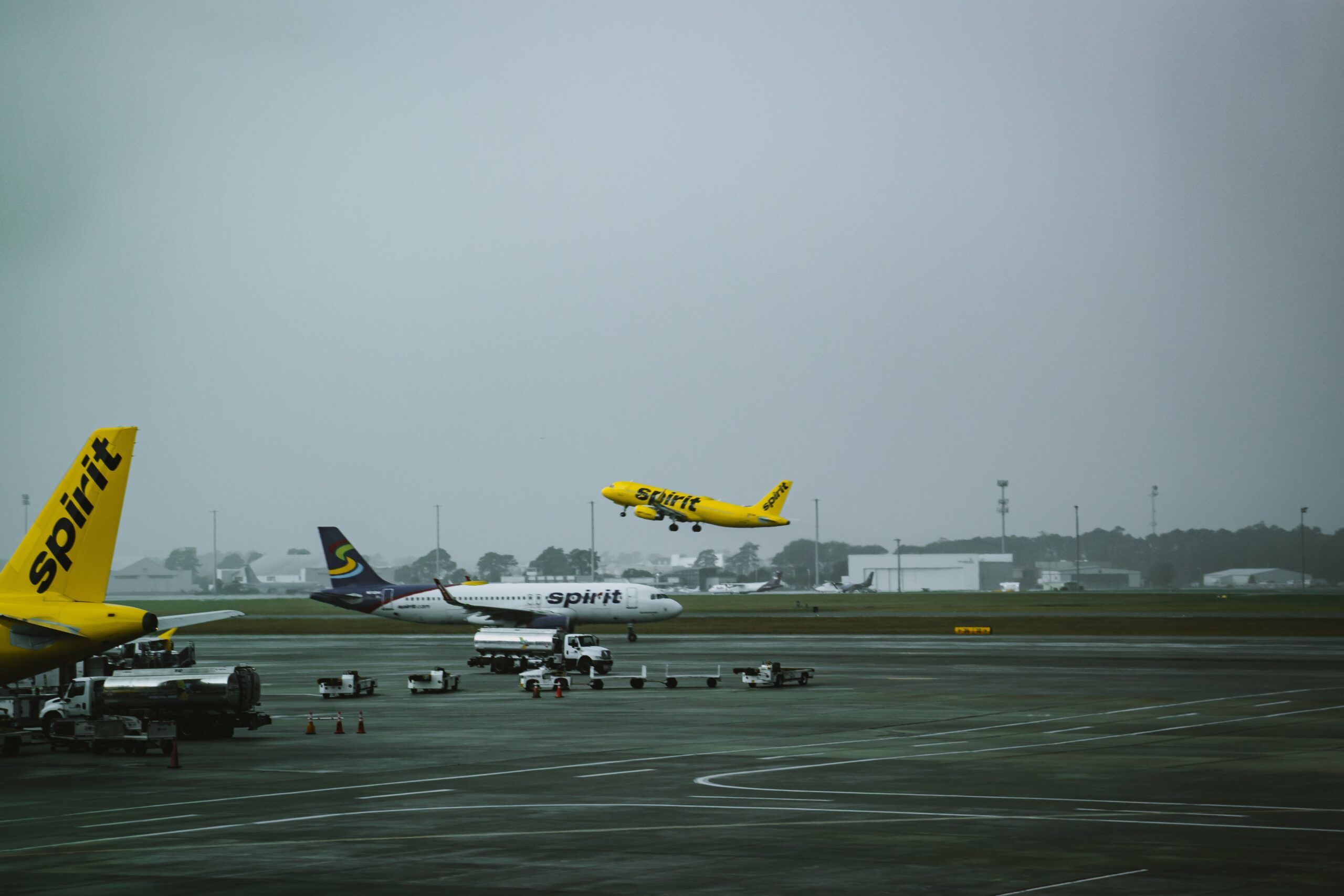
Spirit Airlines, one of the country’s largest ultra-low-cost carriers, finds itself in a tight spot as it navigates through the final quarter of 2023. The airline Friday announced a hiring freeze for new pilots and flight attendants, a stark contrast to their grand plans earlier this year. So, what’s causing this complete 180? Let’s take a closer look.
What’s Behind the Hiring Freeze?
In just a few short months, the airline industry has witnessed a significant shift in fortunes. Back in April, Spirit Airlines was riding high on the unstoppable wave of post-COVID revenge travel demand, which seemed like it had no intentions of slowing down. The airline had announced ambitious plans to hire a whopping 4,000 new employees in 2023 alone. And as recently as last month, the airline partnered with Liberty University to expand its hiring pipeline. Fast forward to today, and we find the airline slamming on the brakes with recruiting (hopefully they didn’t overheat said brakes as big as this 180 was).
A320neo Engine Issues
One major factor contributing to this hiring freeze is the unforeseen trouble with Pratt & Whitney engines, affecting Spirit’s Airbus A320neo aircraft. The Miramar, Florida-based airline expects to ground an average of 26 of these planes for inspections, all due to a manufacturing defect disclosed by Pratt & Whitney in August. The numbers are alarming, with 13 grounded planes expected in January, increasing to a staggering 41 by December next year.
Spirit’s fleet, as of September 30, stood at 202 Airbus planes, making these grounding measures a significant setback. In their own words, “This expectation drives a dramatic decrease in the Company’s near-term growth projections.” Naturally, this has thrown a wrench into their plans for expansion and hiring.
Spirit Airlines is in talks with Pratt & Whitney’s parent company, RTX, regarding compensation for the engine issue. RTX had previously mentioned that repairs would take 250 to 300 days, and approximately 350 planes powered by these geared turbofan engines would be grounded worldwide between 2024 and 2026.
Economic Headwinds for LCCs
While this hiring freeze by Spirit is the most dramatic action taken so far by an airline in response to the gathering economic storm clouds, Spirit is not the only low-cost carrier having a rough Q3. It appears that LCCs, which largely serve domestic leisure travelers, are taking the hardest hits from the economic headwinds currently sweeping through the country.
Revenge travel demand, which appeared unstoppable until a few months ago, has suddenly dried up. Rising inflation, soaring interest rates, and widespread layoffs and hiring freezes across the economy have all played their part. Many who are fortunate enough to secure jobs in these conditions often have to accept lower salaries, return-to-office mandates, or roles with little to no paid time off.
Domestic travel demand, which was breaking records just this summer, has done a complete 180 and largely evaporated. Demand to and from Europe still remains stronger than ever, but LCCs don’t serve Europe, and aren’t in a position to capitalize on that demand.
This sudden shift in the travel landscape marks the first time we’ve seen any significant airline hiring freezes and layoffs since the early days of the COVID-19 pandemic. Other airlines, such as Breeze Airways, have been forced to make tough decisions, including slashing underperforming routes, in some cases just a month after launching them. Even Southwest Airlines recently made positive changes to its Rapid Rewards program – which while we always welcome customer-friendly changes, we usually only see loyalty programs change for the better when times are bad. At the end of the day, a loyalty program is a marketing tool – and if people are buying tickets anyway, there’s no need to spend money on marketing.
It’s a challenging time for low-cost airlines like Spirit, but they are not alone in facing these economic headwinds. Only time will tell if this is a temporary bump in the road for airlines, or if we’ll eventually see a couple B and C players fold altogether.
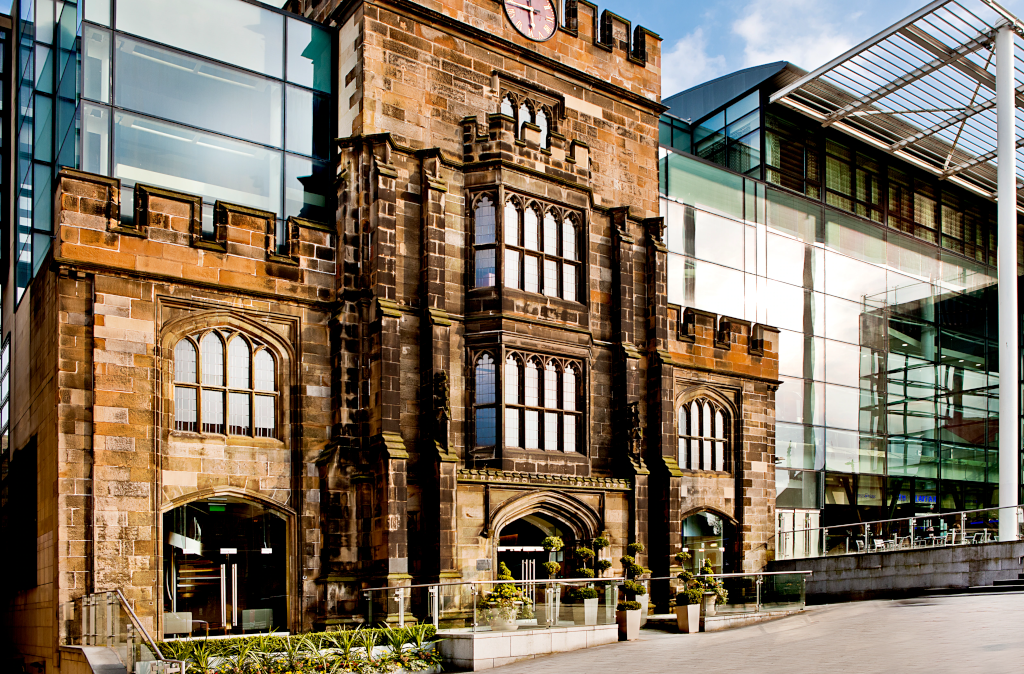
Last month, I had the pleasure of staying at The Glasshouse Hotel in Edinburgh, part of Marriott’s Autograph Collection of boutique properties. Admittedly I was cheating on Hyatt here, as there are currently no Hyatt options in or near any major cities in Scotland – in fact, the only Hyatt property in Scotland is in a remote area near the border with England (though this will change in 2025 with the new Centric near Haymarket Station). The hotel is situated right in the heart of Edinburgh, and I was pleasantly surprised by my stay. Here’s my review of this unique establishment.
Location The hotel’s location is tough to beat. It is nestled in the city center, conveniently located on a square, just steps away from the Picardy Place tram stop. This hotel is a mere one tram stop away from Waverley Station and a 45 minute tram ride directly to and from Edinburgh Airport (EDI). Moreover, it’s a short walk to St. James Quarter, where I recommend snagging a reservation at Duck & Waffle. Be prepared to walk up and down some steep gradients – though that’s more of an Edinburgh problem than a problem with this specific property.
Accommodation The Glasshouse Hotel boasts 77 rooms, including 17 suites, each named after a Scottish whisky or whisky region. No two rooms are alike, as the hotel is a historic building. The rooms are well-appointed, with many (but not all – mine did not) featuring floor-to-ceiling windows and blackout curtains, perfect for the long summer days at such a high latitude. While my view was nothing to write home about, featuring an office building, some parts of the hotel offer a distant view of the Firth of Forth. Each room features a complimentary minibar, restocked daily by the housekeeping team; while this was a wonderful and unique feature to have, the hotel could do a better job of communicating that the minibar’s contents are free to take. If I’d known that from the get-go, it would have saved me a trip across the square to Tesco after a very long travel day.
View from First Floor Room, Glasshouse Hotel, Autograph Collection by Marriott (C) Points & PDBs
Layout The hotel’s layout is one of the most bizarre I’ve encountered in any hotel, which I supposed is expected in a historic church repurposed into a hotel. If your room isn’t on the 3rd floor, be prepared for a bit of a hike. You’ll need to take the elevator from the lobby to the 3rd floor, as it does not access floors 1 or 2 – the staff cited UK historical preservation regulations as the reason, though I suspect the real reason is those elevator landings likely connect back to the OMNi Centre (more on that in a sec). From there, you must navigate a long hallway to reach the Snug bar and then walk down a staircase (an elevator is available within a nearby fire escape).
I almost never accept offers from hotel staff to personally show me to my room and help with my luggage, but Morgan at the front desk insisted due to the unusual layout of the facility. Indeed, I’m not sure I would have located my room without his help, and I’m not normally one to be directionally-challenged – the layout was simply that strange. Pro tip: the fire escape that contains the elevator is a much more convenient way to exit the hotel, though re-entry still requires a trek through the lobby.
Elite Recognition As a lowly Bonvoy Gold Elite member, I went in with low expectations, but was pleasantly surprised that the hotel went above and beyond the published tier benefits. I was upgraded to a larger and newly remodeled king room on the first floor, which was relatively spacious even by American standards and massive by European standards. I received two drink coupons for the bar, which is not a normal elite benefit but was a welcome gesture. I also managed to secure a 2 pm checkout at the last minute, after KLM offered me significant compensation to move to a later flight following an equipment swap from a 737-800 down to a -700. All Bonvoy members enjoy a 10% discount on all food and beverages at the Snug, regardless of their status.
Spacious King Room at the Glasshouse Hotel, Autograph Collection by Marriott (C) Points & PDBs
Service The service at The Glasshouse Hotel was exceptional and the staff very warm and friendly, as expected in Scotland. Every member of the staff, from management to housekeeping, went out of their way to ensure a memorable stay. One manager, hailing from Poland, even took the time to personally escort me through a staff corridor to show me her favorite view of the Firth of Forth from the hotel. We had a wonderful conversation, and she even jotted down recommendations for my next destination in Europe, Amsterdam.
Clientele During my stay, I noticed that nearly all of the clientele were Americans. According to the staff, the hotel and Edinburgh as a whole used to be popular with guests from Asia. However, even as pandemic-era travel restrictions have eased, guests from Asia have yet to return in significant numbers. That said, Americans have flocked to Edinburgh in droves to pick up the slack, with even JetBlue adding nonstop flights from JFK to EDI (if anyone from AA is reading this… hint hint). Despite the way American tourists are perceived in many parts of the world, the Scottish seem to genuinely like and welcome us, and the hotel staff were certainly no exception.
Rooftop Garden One of the standout features of this hotel is the rooftop garden. It offers stunning views of Calton Hill and, in the far corner, the Firth of Forth. It also contains a small wedding/event venue, but during my stay, guests were up there simply enjoying the warm, sunny weather.
Rooftop garden at the Glasshouse Hotel, Autograph Collection by Marriott (C) Points & PDBs
Food and Beverage The hotel’s Snug Lounge on the 3rd floor is the centerpiece of the hotel… which it sounds strange that the centerpiece would be on the 3rd floor, but again, the layout is odd. It features an indoor fire pit and offers locally sourced Scottish cuisine, afternoon tea, and whisky tastings. While I didn’t dine there, I did use my drink coupons at the bar. Haig, the bartender, made excellent recommendations, and his captivating Scottish storytelling added to the ambiance – the stories would be outlandish anywhere else, but in a magical place like Edinburgh, anything seems believable. The Brasserie, which offers breakfast only, received mixed reviews. As a Gold member, I was not entitled to complimentary breakfast, so I opted to explore local restaurants instead.
Hotel Facilities One aspect worth noting is that the hotel is not a standalone building but is built into the margins of the OMNi Centre, a small shopping mall with various dining and entertainment options. Much of the hotel’s namesake glass facade belongs to the mall, not the hotel itself. While I experienced no noise issues, some guests have reported hearing loud music from bars and restaurants in the mall inside their rooms, so be aware of this when booking.
Additionally, not long after my stay, an incredibly bright advertising display was installed on the side of the building, and I’d have to think that might be disruptive to sleep. Despite facing away from the building, the layout of the square and the sheer brightness might still cause the display board to impact your sleep quality.
Bottom Line Those who enjoy more boutique-type properties and aren’t dissuaded by the price tag (and relative lack of amenities for a full-service property) will absolutely love this hotel. However, while I thoroughly enjoyed my stay at The Glasshouse Hotel and was impressed by the exceptional service, I might hesitate to stay again. The rates at this hotel usually exceed £300 per night (and often north of £500), which I found challenging to justify given this is a boutique hotel in a secondary European market. The Great Scotland Yard Hotel by Hyatt often commands comparable pricing, but the hotel is much better, and it’s steps from Trafalgar Square and Charing Cross Station in central London! Marriott Bonvoy points are a better value, clocking in between 40k-65k points many nights with Marriott’s fully dynamic award pricing.
Additionally, most of us will likely be better served by some interesting Edinburgh properties currently in the pipeline, both of which will feature a more comprehensive range of amenities (and hopefully, a better layout). As a Hyatt Globalist, I’d find it tough to cheat on Hyatt for this property once the Hyatt Centric Edinburgh Haymarket opens in 2025. For Marriott loyalists, the highly anticipated W Edinburgh (or as the locals call it, the “poop building”), slated to open in just a few short weeks, is just steps away, attached to St. James Quarter. These may be worthwhile alternatives for your next visit to Edinburgh.
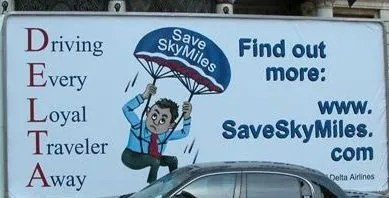
Delta Air Lines, led by CEO Ed Bastian, is in the midst of a turbulent shakeup, with its loyalty program, SkyMiles, at the center of the controversy. The recent series of changes and rollbacks have left loyal SkyMiles members and investors perplexed and frustrated. Bastian, now often affectionately referred to as “Fast Eddie,” seems to be telling two different stories to two very different audiences, leaving many to wonder about the future of Delta’s loyalty program.
The September Shakeup
In September, Delta announced sweeping changes to its SkyMiles program, sending shockwaves through the frequent flyer community. The key alterations included a shift to revenue-based elite status qualification with staggeringly high spending thresholds, and a significant reduction in SkyClub access for Delta Reserve and AmEx Platinum cardholders. These changes left many loyal SkyMiles members reeling and questioning their loyalty to the airline; many have already left Delta for competitors, with United reporting record interest in status matches.
Partial Rollbacks
Delta announced some partial rollbacks to the changes earlier this month. However, it was, for many, too little, too late. My predictions turned out to be fairly accurate; the elite status thresholds were lowered by 16-20%, and while AmEx SkyClub visits will still be capped, caps were increased by 50-67%. While these rollbacks offered some immediate relief, the underlying issues and concerns persisted. Once trust is broken, it’s tough to repair, and Bastian’s comments to investors aren’t exactly helping the situation.
Fast Eddie’s Mixed Messages
Now, Fast Eddie is back in the spotlight, but this time, he is addressing investors. He stated, “There were some things that we did that I thought were maybe too aggressive in trying to get to that equilibrium quickly. We pulled back and said we’ve got to go at this at a much more measured pace.” In essence, Bastian seems to suggest that the originally announced changes are still on the horizon; his only regret is that they were implemented too hastily.
This mixed messaging leaves SkyMiles members and investors in a state of uncertainty. If I were a SkyMiles elite member, even with the rollbacks announced this month, I’d still be wondering whether it’s time to explore greener pastures with other loyalty programs like American Airlines’ AAdvantage or United’s MileagePlus. Bastian’s statements are effectively saying, “We still intend to pull the rug out from under you; we’re just pulling it more slowly.”
.@Delta$DAL CEO Ed Bastian: "You never get the balance rate in aggregate when you get so many different people with an opinion. The two things that we saw when we made the change. First of all, the reason we made the changes is because, Alex, you fly as you know this, there is a… https://t.co/5wkt6g93D4
Bastian’s comments on Delta’s need for balance, especially in light of increasing demand for premium services, are not completely without merit. The airline must strive to provide a premium experience while maintaining its stability. However, the execution of these changes and the communication with loyal customers have been nothing short of awful, alienating their elites to placate investors.
Bastian’s remarks about the economic landscape and the importance to Delta of the top 40% of consumers with household earnings of $100,000 or greater provide insight into Delta’s strategic thinking. The overarching message here is that unless you are wealthy and dropping nearly $30k a year on airfare, Delta doesn’t care about you.
Bottom Line
Delta’s SkyMiles program is in a state of flux, with changes and rollbacks creating a sense of unease among its members and investors. Bastian’s mixed messages about the future of SkyMiles have only added to the uncertainty. While there may be a tiny bit of merit behind the changes, the execution and communication could have been handled much more transparently and thoughtfully. SkyMiles members must now weigh their loyalty against their desire for a stable and rewarding loyalty program, while investors closely monitor how Delta’s strategy will impact the airline’s financial performance in the long run. Only time will tell whether Delta’s “Fast Eddie” can navigate these challenges successfully.
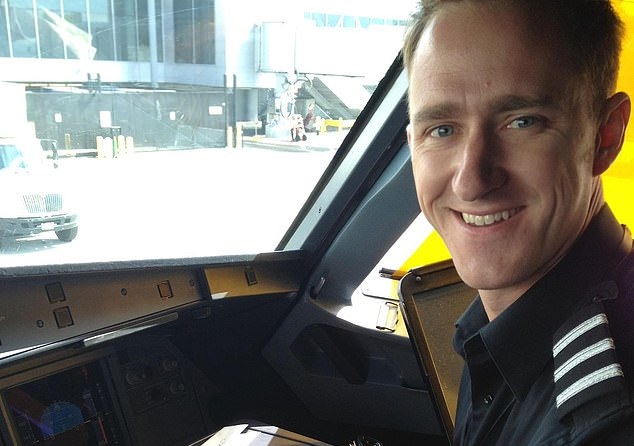
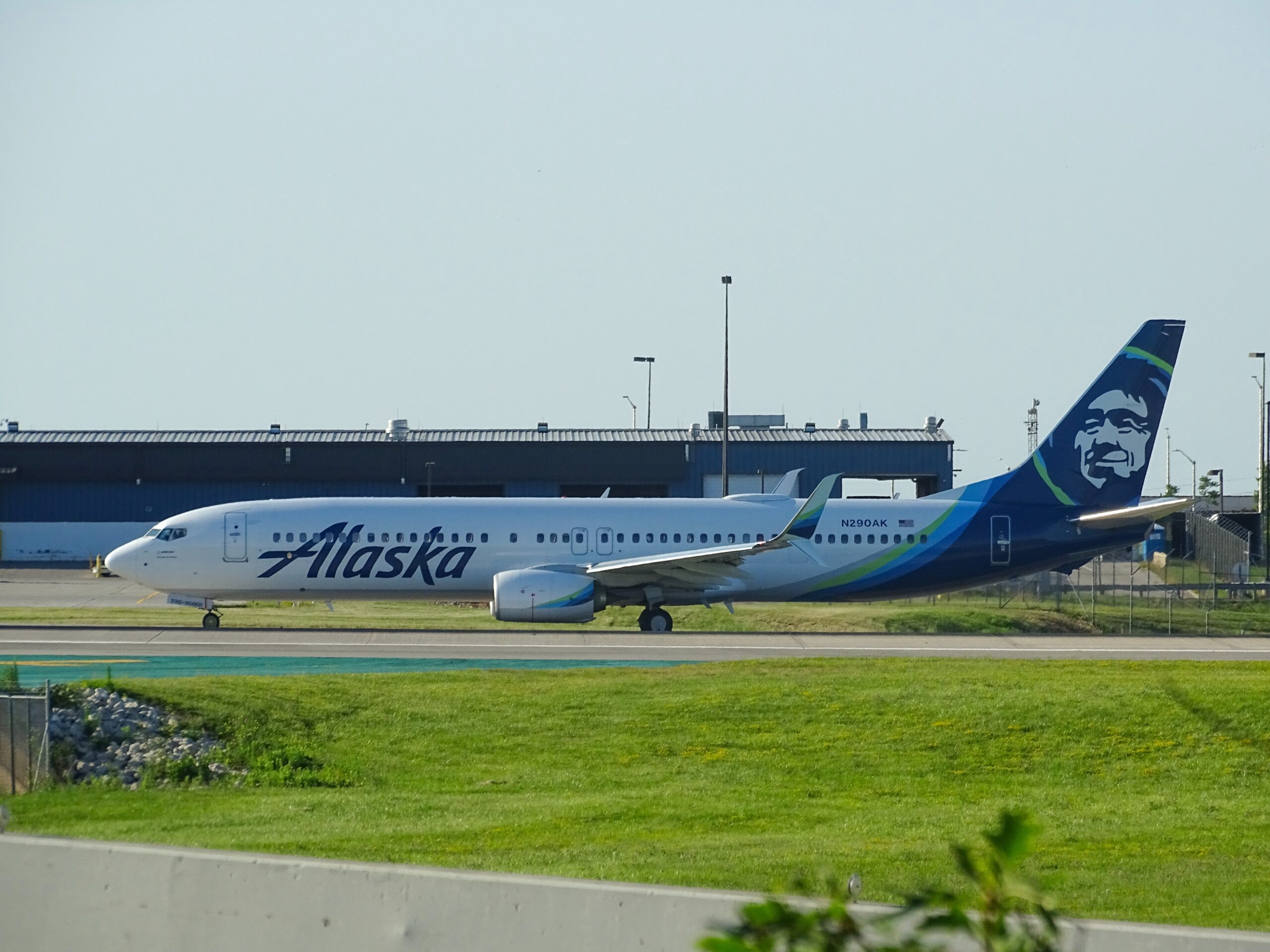
In an alarming incident that unfolded on Sunday, October 22, 2023, aboard Horizon Airlines Flight 2059, we learned that an off-duty pilot by the name of Joseph David Emerson caused quite a commotion on the plane. This incident was no ordinary inflight disturbance, as Emerson attempted to shut down both engines mid-air in an apparent attempt to crash the Embraer E175 carrying 84 passengers and crew.
The recently released probable cause affidavit, filed by Special Agent TaPara Simmons Jr. of the FBI and obtained by NPR, sheds light on the events that transpired. Emerson, who was sitting in the cockpit jump seat, took actions that left the crew and passengers in a state of shock.
As the flight was en route to Portland International Airport, approximately halfway between Astoria, Oregon and Portland, Emerson made his unsettling move. He reached up and grabbed the red fire handles, which, if fully activated, would shut down the aircraft’s engines, essentially turning it into a glider. This audacious action prompted both pilots to intervene. They struggled with Emerson, ultimately preventing him from causing catastrophic consequences.
What’s truly astonishing is that Emerson, who claimed to have been with the airline for ten years, seemed perfectly normal during the early stages of the flight. He engaged in casual conversation with the pilots and even talked about aircraft. However, somewhere along the way, he declared, “I’m not okay” and attempted to shut down the engines.
The flight attendants also had their hands full, with Emerson’s behavior causing further alarm. They received a call from the cockpit and were told that Emerson was “losing it.” Upon leaving the cockpit, Emerson apparently attempted to open the emergency exit – a feat which isn’t possible at cruising altitude. He was eventually secured, handcuffed (which he actually asked for!), and seated at the back of the aircraft. Emerson continued to make concerning statements during the flight, admitting to endangering the lives of 84 people on board, including his own.
Emerson’s post-incident interview with law enforcement revealed that he believed he was having a “nervous breakdown” and had not slept in 40 hours. He mentioned feeling dehydrated and tired. Emerson also revealed that this incident occurred after his experimentation with psychedelic mushrooms, although he denied taking any other medication.
In light of these events, Special Agent TaPara Simmons Jr. submitted an affidavit seeking a criminal complaint and an arrest warrant for Emerson, charging him with “Interference with Flight Crew Members and Attendants” under Title 49 U.S.C. § 46504. This charge carries a potential penalty of a fine, imprisonment for up to 20 years, or both.
The document leaves us with many questions, primarily concerning the potential consequences of drug use in the airline industry and the need for improved mental health support for airline personnel. In the end, while these are important discussions to have, there’s never an excuse to endanger 84 innocent lives. While this is a sad story for all involved, Emerson must still be held accountable for his actions and brought to justice.
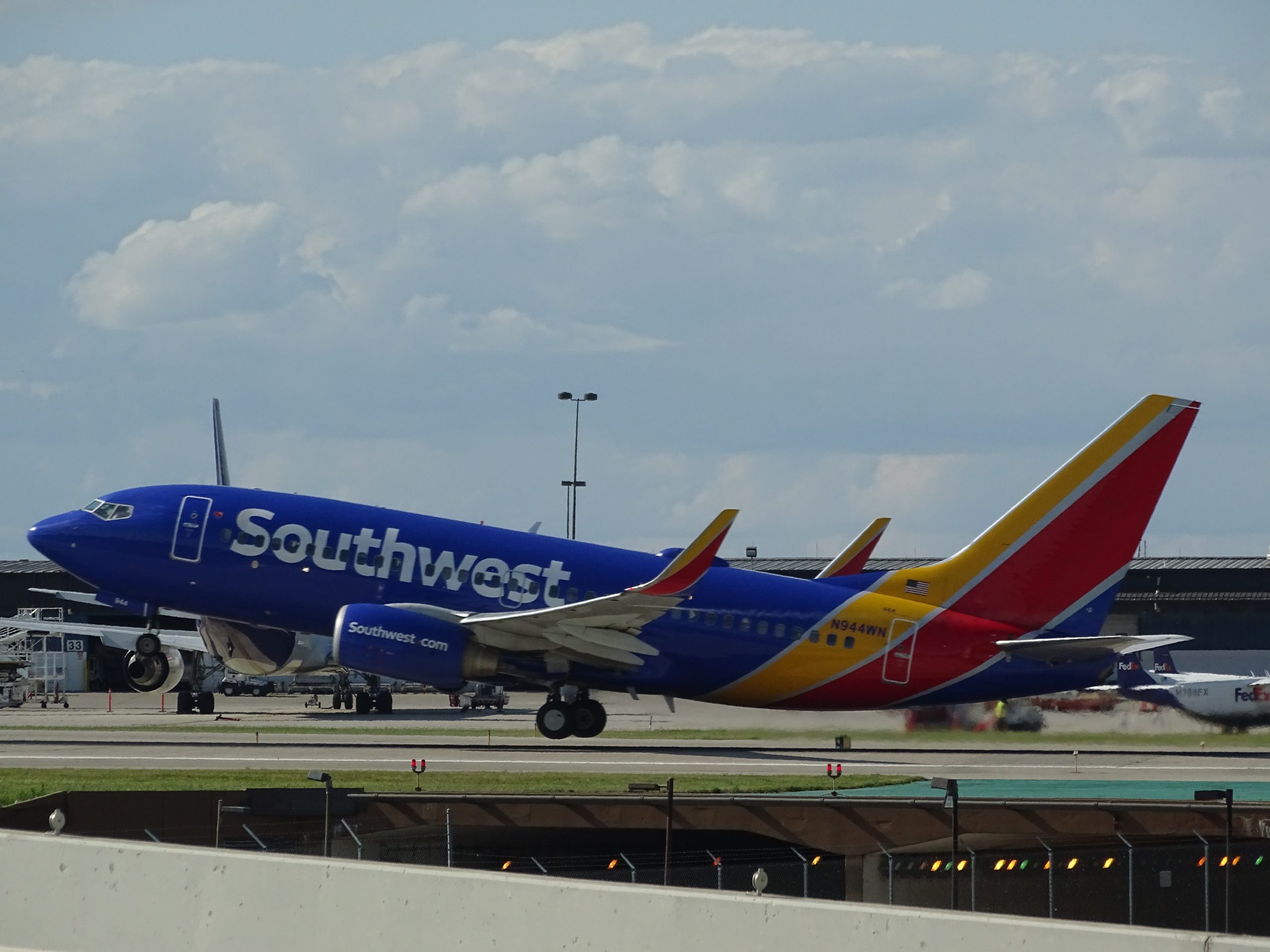
Well, well, well, ladies and gentlemen, it seems that Southwest Airlines is finally joining the 21st century. In a groundbreaking announcement, they revealed that you can now track your checked baggage in their mobile app or on Southwest.com. Cue the applause and confetti, right?
Southwest proudly declared this game-changing development on a platform that used to be called Twitter, but now goes by the name “X” because, you know, keeping up with the times is not really their thing.
What's better than two free* checked bags? Free checked bags that you can track, of course. Introducing digital bag tracking! Now available on https://t.co/qJUDbsC3g0 and in the Southwest app. pic.twitter.com/2T6q9tMIo8
Now, let’s not give them too much credit for this technological leap. Delta, the airline that was ahead of the curve, introduced this nifty feature way back in 2011. Yes, you read that correctly, 2011. And even American Airlines managed to catch up, albeit a bit late to the party, in October 2015.
But hey, at least Southwest is making some effort, and you have to give them credit for that. Earlier this month, the airline unveiled some customer-friendly updates to its popular Rapid Rewards loyalty program. Maybe they’re finally attempting to clean up their act and polish their image after enduring years of operational challenges and customer complaints. Or maybe they just realized it’s time to get with the program. Either way, it’s nice to see them making an effort to join us here in 2011… uh, I mean 2023.
Charlotte Douglas International Airport (CLT) has the distinction of being many travelers’ least favorite American Airlines hub. Despite its status as a “fortress hub” and being the second-largest in American’s network, the Admirals Club situation at the airport leaves a lot to be desired. Let’s dive into the latest update on the Concourse C Admirals Club and why it’s got people talking.
The Main Club: Large but Lackluster The main Admirals Club on Concourse C is the largest in the airport. However, many seasoned travelers would agree that it’s also one of the least impressive Admirals Clubs in American Airlines’ entire network. If you’ve been there, you know what I’m talking about.
The Baby Admirals on Concourse B In contrast, the “baby Admirals” club on Concourse B may be smaller, but it’s significantly better, having undergone a full renovation in 2019. Many travelers prefer to trek over to Concourse B just to escape the underwhelming main club on Concourse C.
Strange Bar Closure Now, the main club’s bar has suddenly closed for remodeling. The circumstances were indeed strange, with not much advance warning. A temporary bar has been set up using tables, and they are currently serving pre-packaged food only. Originally, it was supposed to be closed for just a week, but now there’s talk that it might be January before it reopens.
Mold Infestation Rumors There’s been a rumor circulating on Reddit, shared by user monorail_pilot, suggesting that the bar and kitchen area of the main Admirals Club might have a terrible mold infestation. It’s been noted that the ceiling above the bar had been getting painted over every month or two. Initially, the expectation was to just replace drywall, but it now appears the issue is far more severe. While this information hasn’t been independently confirmed, the Redditor sharing it seems to be a reputable source based on their post history.
Previous Closure for Fire Code Updates Some of you might recall that the main Admirals Club was closed for approximately six months in 2022 for fire code updates. During that time, sprinklers and what appears to be voice evacuation speaker-strobes for the airport’s fire alarm system were installed. However, apart from some restroom updates, no real remodeling was done. It seems that American Airlines missed an opportunity to improve the club while it was closed, because the City of Charlotte allegedly told them they’d have to foot the bill for fire code updates if any changes were made. This closure led to long lines at the “baby Admirals” club on Concourse B, as it was the only functional Admirals Club during this period.
Independent Lounges Shine at CLT One unusual (and arguably backwards) aspect of CLT is that the independent lounges tend to outshine the airline-affiliated ones. Unpopular opinion alert: the Centurion Lounge at the C-D connector is one of my favorite domestic lounges – at least, that I’m in a position to use with any regularity. The layout feels more spacious than many other Centurion outposts, it generally has minimal wait times (unlike DFW where 30+ minute waits are the norm), and the quality food and beverage options exceed expectations for a domestic Centurion location. Even the airport’s Priority Pass lounge, The Club at CLT, while nothing spectacular, is better than either Admirals Club in the airport. What’s more, both independent lounges feature a shower suite, while the Admirals Clubs do not – a holdover from the US Airways era (thanks, Discount Dougie!).
Future Plans Earlier this year, @xJonNYC uncovered plans for a new Admirals Club at CLT. While details are limited, the concept looks promising. However, it’s likely to be years before we see any significant changes or improvements.
Hyatt Globalist status is the pinnacle of hotel elite status, offering a host of remarkable benefits that elevate your travel experience. If you’re like me, you treasure your Globalist status and all the perks that come with it, from those sought-after space-available suite upgrades to complimentary breakfast, 4 pm late checkouts, and even a dedicated My Hyatt Concierge once you’ve hit your 60th night. It’s a treasure trove of privileges, but what happens when a Globalist is under 21 years old? Do they still get to enjoy the full spectrum of Globalist benefits? A recent Reddit post in /r/Hyatt sheds light on this intriguing topic.
Captain_nonsense3738 shared their experience during a stay at the Confidante Miami Beach, a property soon to become the Andaz Miami Beach. While the property has a minimum check-in age of 21, the front desk agent allowed this Globalist, who was under 21, to check in. However, things took an interesting turn as they were denied complimentary breakfast – a benefit they had rightfully earned as a Globalist. The agent also informed them that they couldn’t charge anything to their room, which meant they couldn’t utilize the $100 property credit from AmEx The Hotel Collection (THC).
Now, let’s dive into some thoughts on this matter:
Minimum Check-In Age: It’s reasonable for the hotel to waive the minimum check-in age for a Globalist. These travelers have displayed loyalty to Hyatt and have built a history with the chain that vouches for their trustworthiness.
Breakfast Benefit: Refusing breakfast was a misstep. Breakfast is a well-earned benefit, and the excuse of being unable to charge it to the room isn’t sufficient. The hotel could have found an alternative way to provide breakfast, such as a voucher. It’s always puzzled me why domestic Hyatt hotels tend to require Globalists to charge to their folio and then manually remove the charge later; any foreign Hyatt property I’ve ever visited, the hotel restaurant usually receives a list of Globalists currently on property, and they simply don’t charge you. Maybe this has to do with American tipping culture, as a room charge gives you the opportunity to write down a specified gratuity amount on a receipt?
Room Charges: The decision to restrict the guest from making room charges, assuming they provided a valid credit card with enough available credit for the deposit, seems unnecessary. While it’s unclear which card was used to pay, the post implies that it might have been an AmEx Platinum, which typically doesn’t come with a preset credit limit and is typically issued only to those with excellent credit.
Age Restrictions: The only valid reason to modify or deny a Globalist benefit due to age might be in cases involving alcohol, especially in the United States, where the legal drinking age is among the highest in the world. For instance, a complimentary mimosa at breakfast could be legally problematic in some jurisdictions.
It’s always surprising how, in the United States, one can make life-altering decisions and even enlist in the military at 18, but can’t enjoy certain privileges like drinking alcohol or checking into many hotels until 21. The age restrictions seem arbitrary in many cases.
In the case of this Redditor, it appears that the hotel made some questionable decisions. Globalist benefits are earned and should be honored, irrespective of age. If the hotel is willing to check in a Globalist under 21, they should be prepared to extend the full array of benefits that come with the coveted Globalist status. It’s an interesting topic to consider, and it’s clear that there’s room for improvement in how these situations are handled, especially when it comes to ensuring that Globalists get the full experience they’ve earned.
What do you think about this situation? Have you encountered similar issues when traveling as a Globalist? Share your thoughts and experiences in the comments.
In our previous report, we reported on a shocking incident that unfolded on Horizon Air Flight 2059, a regional carrier for Alaska, during its journey from Everett (PAE) to San Francisco (SFO). An off-duty pilot, Joseph David Emerson, seated in the jumpseat, allegedly attempted to shut off the engines mid-flight. The plane, an Embraer E175, was ultimately diverted to Portland International Airport (PDX), where Emerson was apprehended by law enforcement. The incident led to a laundry list of charges, including 83 felony counts of attempted murder, 83 misdemeanor counts of reckless endangerment, and 1 felony count of endangering an aircraft.
Now, new details have emerged, shedding light on the harrowing events that took place on that fateful flight.
The FAA’s Chilling Notice
An FAA notice distributed to all U.S. airlines through its Domestic Events Network classified this as a “significant security event.” It disclosed that the “jump seat passenger” had attempted to disable the aircraft engines while the plane was at cruise altitude. This attempt was made by deploying the engine fire suppression system.
In the Embraer E175, the fire handles, which are critical for controlling the engines, are located above the pilots on the ceiling. Pulling down the handle is a simple yet effective way to shut off fuel to the affected engine, quite literally halting the addition of fuel to the fire. This action, however, results in the engine’s immediate shutdown due to the lack of fuel supply. Rotating the handle after it’s pulled down activates two redundant fire suppression canisters; left for canister “A” and right for canister “B.”
Alaska Air spokesperson Alexa Rudin revealed that, thankfully, some residual fuel remained in the line. The quick response of the flight crew, who reset the handles and restored fuel flow, averted a catastrophic fuel starvation.
During the incident, the pilot flying the plane relayed a calm but chilling message to Portland air traffic control. “I’ll just give you a heads-up. We’ve got the guy that tried to shut the engines down out of the cockpit,” the pilot stated. “It doesn’t seem like he’s causing any issue at the back. I think he’s subdued.”
From Level 4 Threat to Handcuffs
As the plane approached Portland for its final landing, the air traffic controller sought verification of the threat level. The pilot flying responded, designating it as a “Level 4” threat, indicating a “breach of the flight crew compartment.” However, the situation evolved rapidly, with the pilot adding, “The threat is now in the back of the airplane, so we’ve reduced the threat level.”
The crew, after a check-in with the flight attendants, informed air traffic control that the individual who had attempted to shut down the engines was “handcuffed and he’s in the aft back jumpseat for when law enforcement arrives, and right now he’s staying calm.” This “aft back jumpseat” is typically used by a flight attendant during landing.
Horizon Air 2059 Everett-San Francisco
“We’ve got the guy that tried to shut the engines down out of the cockpit. It doesn’t seem like he’s causing any issue at the back. I think he’s subdued."
Under the Federal Flight Deck Officer program, the Transportation Security Administration (TSA) deputizes qualified volunteer pilots as law enforcement officers to defend the flight deck of aircraft against acts of criminal violence and air piracy. This completely voluntary program, upon completion of specialized training, allows deputized pilots to carry a concealed handgun in order to protect their passengers. It’s currently unclear whether either of the pilots on this flight had such training or if they were carrying concealed weapons, but they certainly acted heroically to prevent a potentially catastrophic outcome.
In a statement, the FBI assured the public that there is no ongoing threat related to this incident, while the FAA pledged its full support to law enforcement investigations.
As the investigation unfolds, stay tuned for further updates as more details emerge.
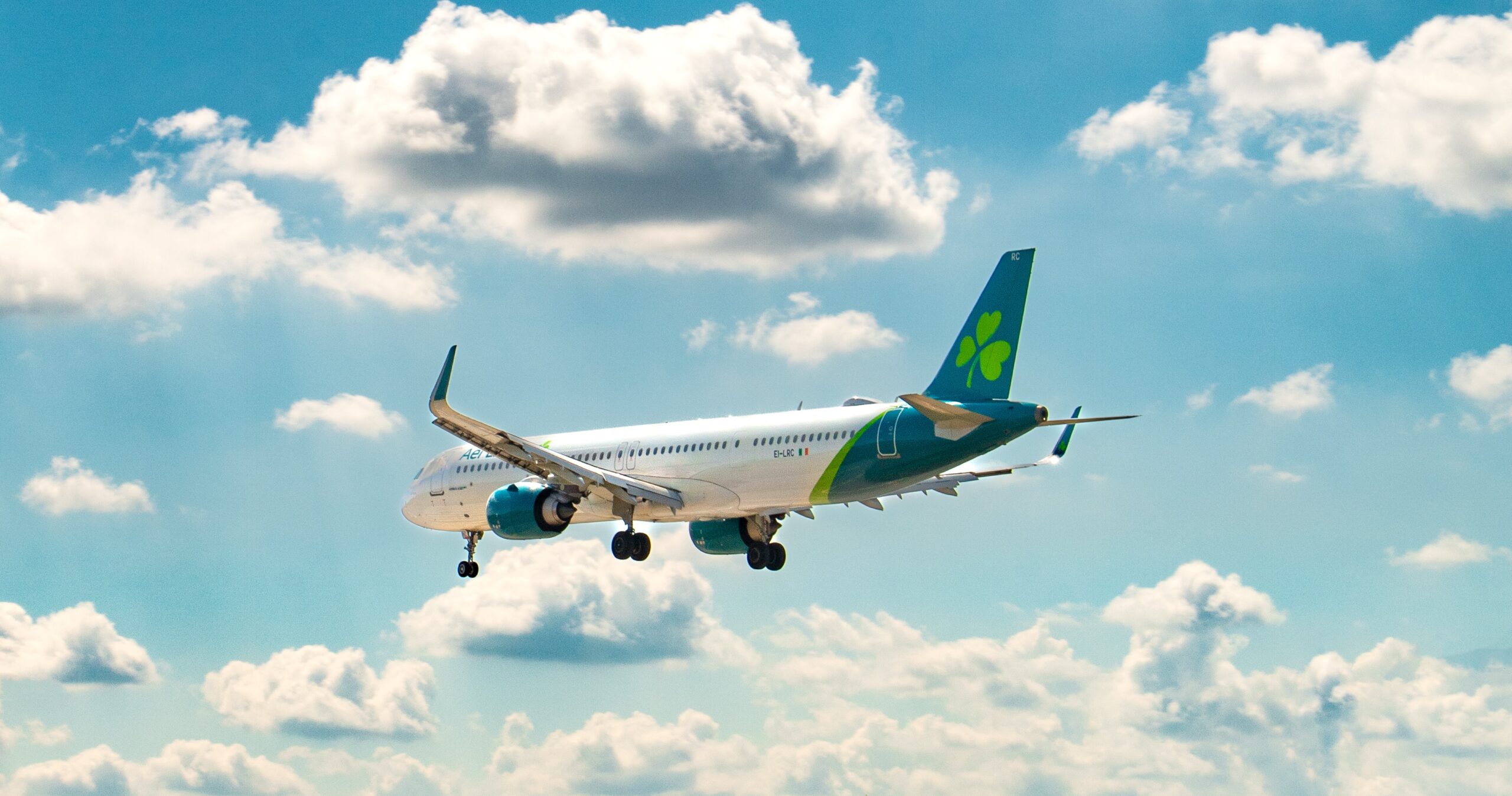
Aer Lingus surprised absolutely nobody by announcing the termination of its codeshare agreement with United Airlines. The implications of this move are far-reaching, especially for United MileagePlus members who will no longer be able to earn points by flying with Aer Lingus. But the ripples of this decision extend further, with implications for the Oneworld alliance and the transatlantic partnership landscape.
Previously, British Airways Executive Club members could earn miles when flying on United, but it involved a convoluted points transfer process that involved earning Avios through Aer Lingus, and then transferring them 1:1 to BA. It’s worth noting that British Airways and United Airlines belong to different alliances – BA is a member of Oneworld, while UA is part of Star Alliance.
In the wake of Aer Lingus ending its codeshare agreement with United, one thing is abundantly clear – American Airlines emerges as the victor in this scenario. With American becoming their sole US partner, the alignment between these two airlines strengthens, offering more travel opportunities and rewards for passengers. This comes the airlines began codesharing just last year, fueling speculation that the United partnership might come to an end. It’s a win-win for American Airlines and its loyal customers, but a loss for United loyalists.
Interestingly, under the current arrangement, United members have been able to redeem their miles on Aer Lingus, but AA members have not. It’s unclear if this move will pave the way for AAdvantage members to redeem miles for Aer Lingus flights, or perhaps something much bigger…
Beyond this immediate consequence, the question that lingers in the minds of industry observers is whether Aer Lingus is positioning itself for a return to the Oneworld alliance. This is not an unfounded thought; Aer Lingus was once a member of Oneworld before it parted ways in 2007, and has retained strong connections to the alliance, despite being officially neutral. A rumor circulating on FlyerTalk earlier this year suggested that Aer Lingus might be considering a return, with a potential rejoining date of Q2 2025.
Aer Lingus has always been something of an oddball in the airline world. It’s the only full-service airline within the International Airlines Group (IAG) umbrella that isn’t a member of any alliance, let alone Oneworld. Given that IAG’s other legacy carriers, such as British Airways and Iberia, are longtime Oneworld members, it’s easy to see why many are speculating that Aer Lingus’s return to the fold might be in the cards. After all, it would make sense in terms of ownership and alignment.
The termination of the United codeshare is just one piece of this complex puzzle. As the airline industry continues to evolve and adapt to changing market dynamics, it’s anyone’s guess what the future holds for Aer Lingus. Will they make the leap back into Oneworld, rekindling old alliances and forging new partnerships? Only time will tell, but for now, we can certainly keep our eyes on this intriguing development in the world of aviation.