Tag: alaska

  • Alaska 1282: A Wake-Up Call on the 737 MAX 9

    Alaska 1282: A Wake-Up Call on the 737 MAX 9

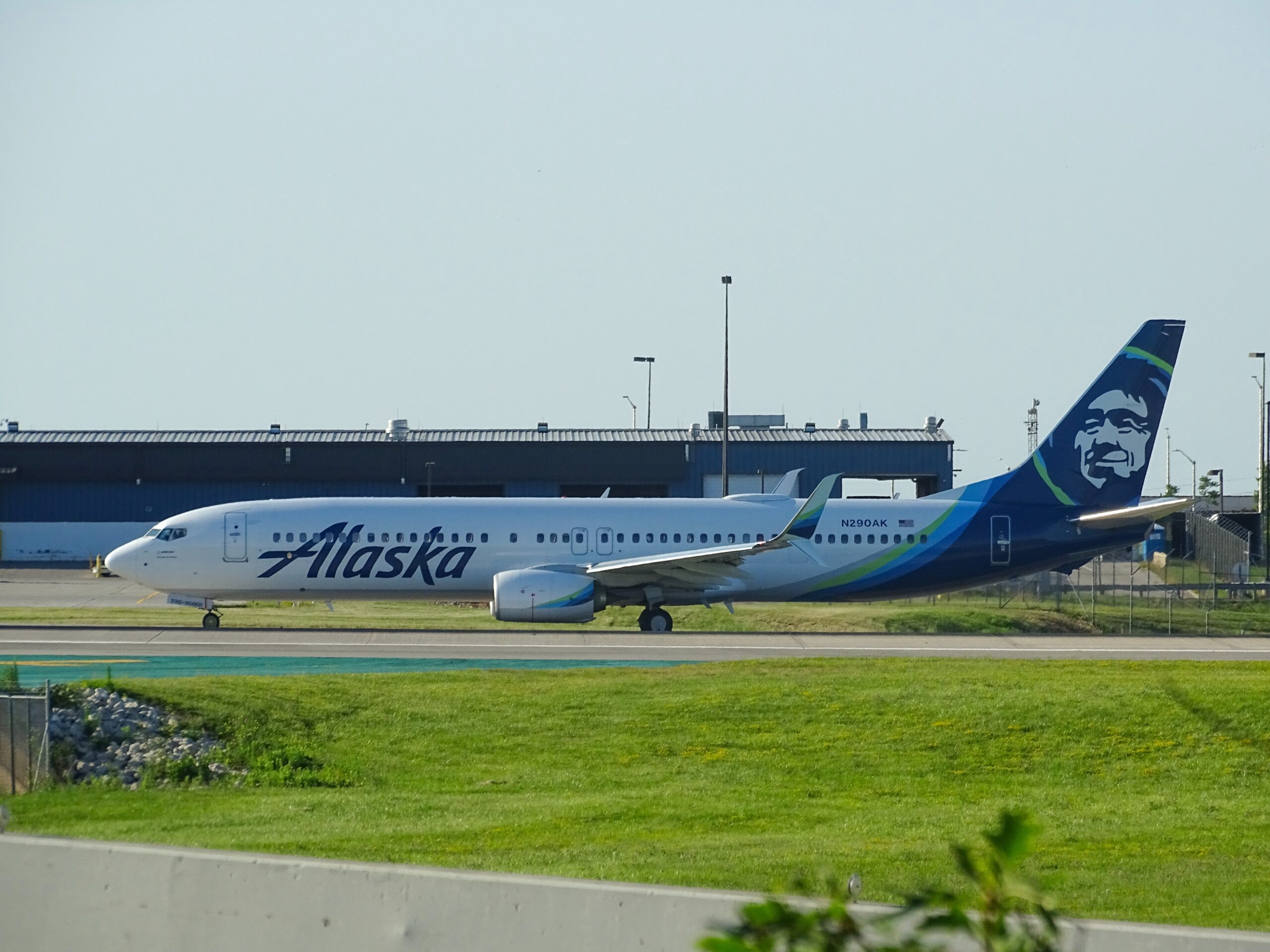
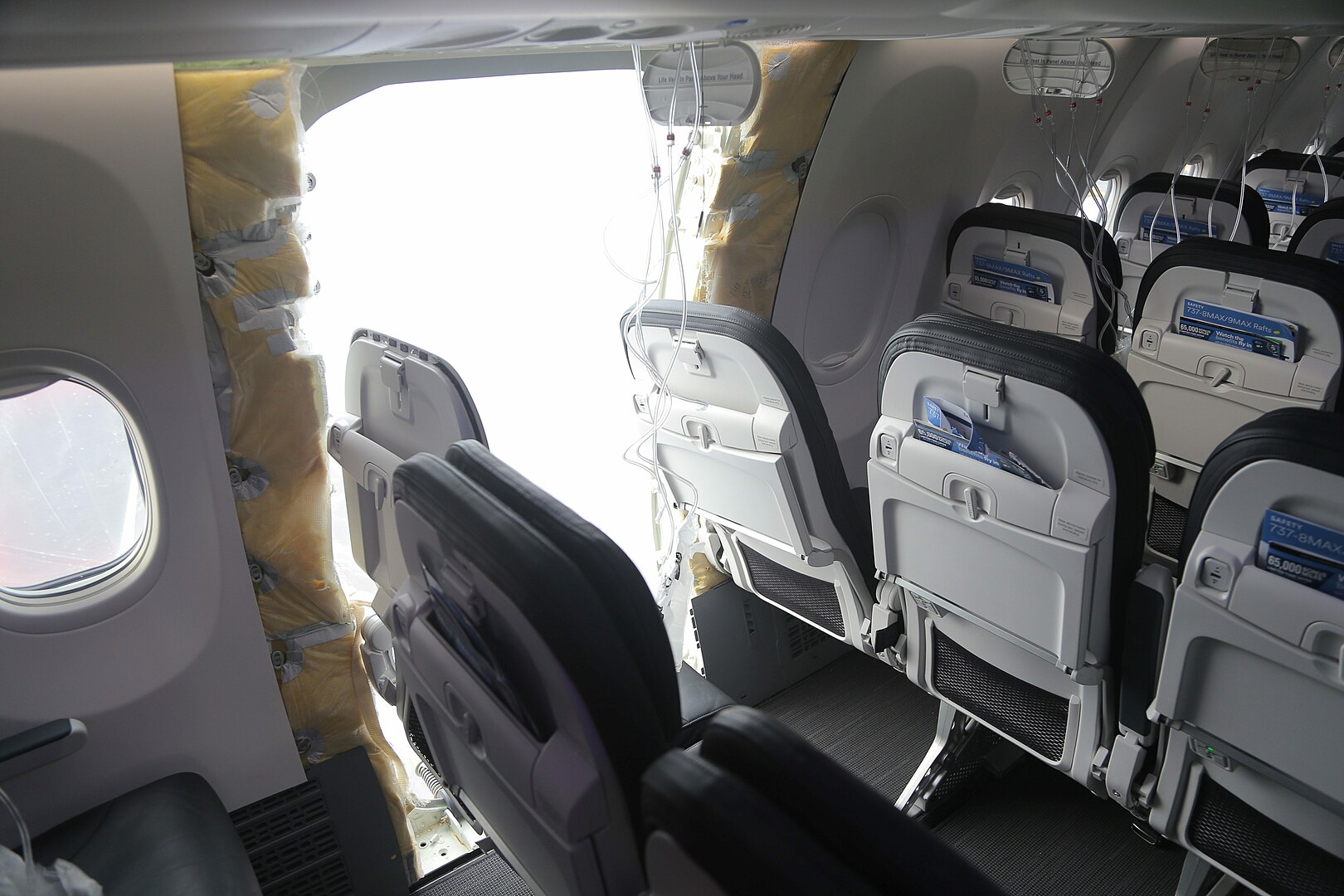
    On January 6, 2024, Alaska Airlines flight 1282, a Boeing 737 MAX 9, was en route from Portland (PDX) to Ontario, CA (ONT) when it experienced a cabin depressurization event involving a piece of the airplane falling off mid-flight. The pilots declared an emergency and diverted back to Portland, where they landed safely. Miraculously, no injuries were reported among the 153 passengers and crew on board.

    The cause of the incident was linked to a faulty door plug on the aircraft’s left side. The door plugs are used to seal openings that might otherwise be used for an aft emergency exit in denser seating configurations, where an additional set of exits would be required. No US carriers currently operate the MAX 9 in a dense enough configuration to need that emergency exit, so these so-called “plugs” semi-permanently seal that opening, leaving open the possibility of reconfiguring the aircraft in the future (perhaps if sold to a low-cost carrier in another country).

    Most cabin doors on modern commercial airliners are a “plug” or wedge shape – a convex shape with the interior side wider than the exterior side. This makes it impossible for the door to fit through the opening, distributes the stress of cabin pressurization more evenly, and makes the door impossible to open inflight. However, diagrams that have been released and findings from rival airlines suggest door plugs on the MAX 9 are not designed this way, but instead place the stress on a series of bolts. Preliminary reporting is suggesting perhaps failure of one or more bolts led to the AS1282 incident. This raises the question: are these “door plugs” actually “plugs” in the true sense of the word? Could Boeing potentially remedy this issue by implementing something more closely resembling a conventional plug-type exit door?

    The incident also comes amid a series of inspections by multiple airlines that have found “loose bolts” on many 737 MAX 9s. According to the FAA, the issue affects about 300 aircraft worldwide, and requires a “detailed visual inspection” of the door plugs and bolts. The FAA also issued an airworthiness directive on January 8, 2024, mandating the inspections within 10 days.

    After Alaska initially grounded their 737 MAX 9s, they promised to quickly return the planes to service after inspecting each one individually. However, the FAA quickly poured cold water on Alaska’s plans, grounding the MAX 9 nationwide. In fact, by the time the FAA issued their order, Alaska had already returned several MAX 9s to passenger service; those had to be subsequently pulled again. I have to wonder if this was purely a performative measure to placate the flying public. At this stage, did Alaska even know what they were looking for? Frankly, I’m still not sure they know what to look for, though issues with bolts may be a good start.

    The AS1282 incident is another blow to Boeing, which has been struggling to restore confidence in its 737 MAX family after two fatal crashes in 2018 and 2019 that killed 346 people. The MAX was grounded for 20 months before being allowed to fly again in late 2020, after Boeing made several changes to the software and hardware of the aircraft.

    Boeing employees are also calling out CEO Dave Calhoun amid the company’s recent HQ move from Chicago to DC. Many employees feel that HQ should be in Renton (or, at least, the greater Seattle area), where Boeing’s main factory is located, rather than across the country from the bread and butter of its core business. While there are many questions as to the difference in quality between Renton-produced and South Carolina-made Boeing aircraft, N704AL, the airframe involved in the AS1282 incident, was in fact produced in Renton, being delivered to Alaska just this past October.

    Bottom line on the 737 MAX series: It’s going to be incredibly difficult for Boeing to regain public trust now. Previous issues with the MAX series, including the Lion Air incident, were attributed to the planes being flown in developing countries with more lax safety regulations and less-experienced pilots. Now this has happened on US soil, on a US carrier, that excuse no longer flies.
  • Alaska Announces 2024 Program Updates, New Partnership with Porter

    Alaska Announces 2024 Program Updates, New Partnership with Porter

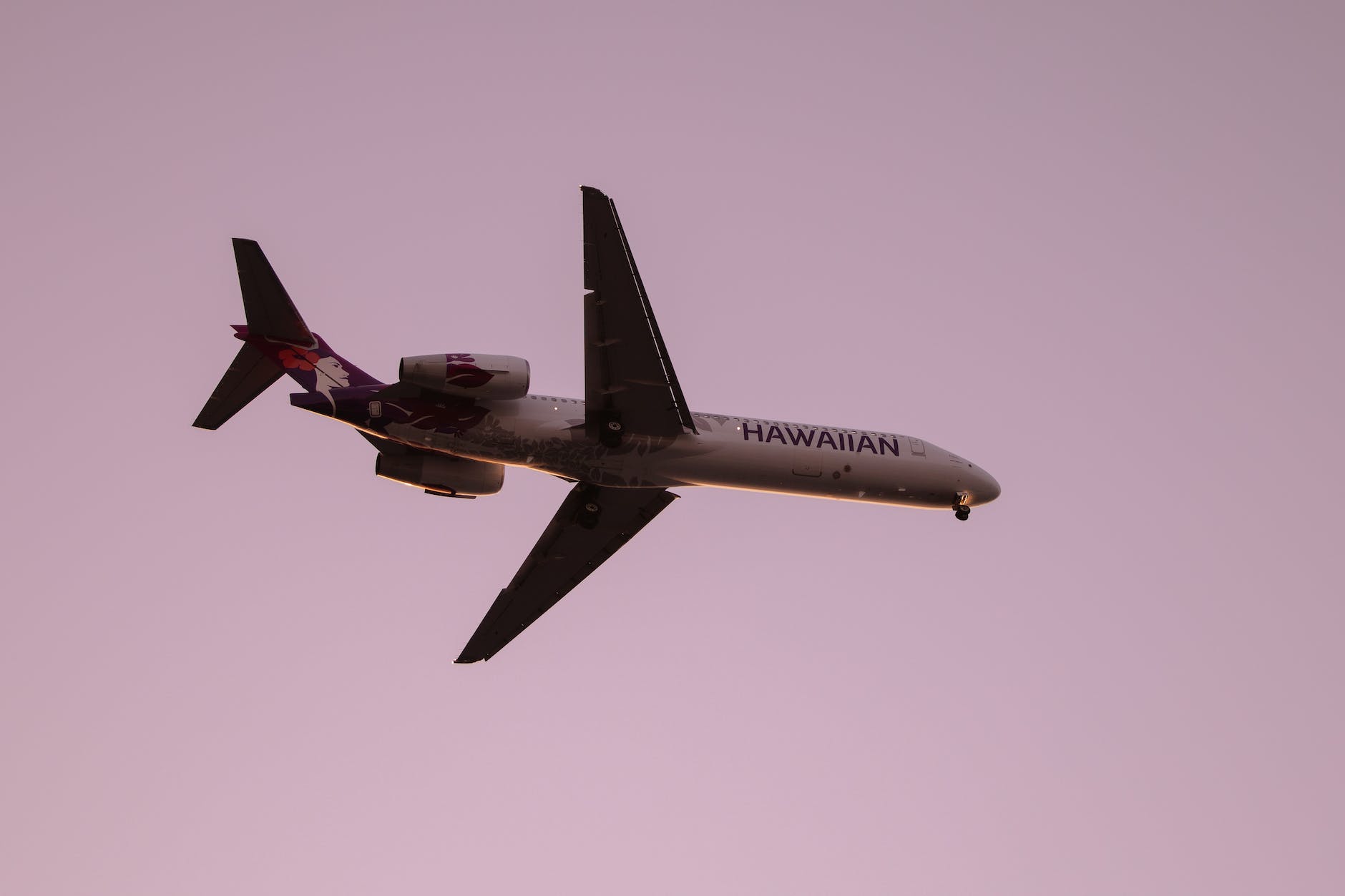
    Alaska Airlines is shaking things up in the Mileage Plan program for 2024, and it’s worth taking a closer look at what’s in store. But before we dive into the details, let’s not forget that Alaska recently made headlines with its ambitious plan to acquire Hawaiian Airlines in a whopping $1.9 billion deal, adding the airline to the Oneworld Alliance.

    Now, back to the Mileage Plan changes. The elite status adjustments for 2024 come with a mix of positive shifts and a few headscratchers. The simplified process of earning elite status based solely on elite qualifying miles (EQMs) is a notable shift. Whether you’re eyeing MVP, MVP Gold, or the prestigious MVP Gold 100K status, it all boils down to your EQMs. Importantly, there are no changes to the EQM thresholds required for status.

    This kind of change seems to be a trend in the airline industry as a whole. American did this the right way with its Loyalty Points scheme. Delta got it very wrong and later backtracked. United seems to be on the way to a Loyalty Points-like scheme, which makes sense because CEO Scott Kirby trained under Doug Parker at American, so we’d expect United and American to closely follow each other while Delta does its own thing.

    The elimination of segment-based qualification might raise an eyebrow for some, but it’s balanced by the freedom to earn Mileage Plan status solely through travel on partner airlines. This is great news, as Alaska’s reach is largely west coast-focused. Alaska is also sweetening the deal for Mileage Plan members who wield the Alaska Airlines Visa® credit card. In 2024, for every $10,000 spent on the card, members will rake in 4,000 EQMs, with a cap of 20,000 EQMs per year after $50,000 in eligible credit card spending. It’s a move reminiscent of recent trends in the airline industry, where credit card spending becomes a key player in elite status attainment.

    MVP Gold 100K members get an exclusive treat with the introduction of limited-time rollover miles. Any EQMs beyond 100,000 in 2023 will carry over to the 2024 program year, a one-time offer that could be a game-changer for the most dedicated Mileage Plan members.

    Looking ahead to late 2024, Alaska Mileage Plan promises a buffet of “choice rewards.” While details are scarce, the plan is to empower members to cherry-pick the perks that matter most to them. From bonus miles and status accelerators to day-of-travel perks and experiences, it’s a tantalizing menu that could add a new layer of personalization to the loyalty program.

    Now, for the less savory news. In 2025, Alaska Mileage Plan will be downsizing elite mileage bonuses for three out of four elite tiers. MVP members, MVP Gold members, and MVP Gold 75K members will experience reductions ranging from 25% to 50%. At least Alaska gave a full year of advance notice here, and it aligns with the airline’s investment in new choice rewards.

    Buried under the news about Alaska’s loyalty program updates, it’s worth noting that Alaska is expanding options for its members by adding Porter Airlines as its 30th global airline partner and the first Canadian airline partner. This news should please AvGeeks, as Porter seems all-in on the comfortable Embraer E195 E2, a rare find within North America.

    Alaska’s 2024 program updates signal a positive shift overall. The streamlined elite status qualification and the added perks for credit card holders are steps in the right direction. However, the reduction in elite mileage bonuses come 2025 might be a bitter pill for some loyalists to swallow. Yet, as we navigate these changes, it’s clear that Alaska Airlines is charting a course towards a more straightforward program as it looks to acquire Hawaiian.

  • Sunday Surprise: Alaska Announces Intent to Purchase Hawaiian Airlines in $1.9 Billion Deal

    Sunday Surprise: Alaska Announces Intent to Purchase Hawaiian Airlines in $1.9 Billion Deal

    Alaska Airlines just dropped a Sunday bombshell: they went shopping and picked up a Hawaiian Airlines in a hefty $1.9 billion deal, subject to regulatory approval. The cash transaction values each Hawaiian Airlines share at $18.00, with the overall package including $0.9 billion of Hawaiian’ Airlines’s net debt.

    The Hawaiian brand isn’t going anywhere, however. The marriage of these two carriers will keep both the Alaska Airlines and Hawaiian Airlines brands intact, backed by a unified loyalty program. The resultant behemoth will boast a fleet of 365 aircraft, providing connections to 138 destinations on HA/AS metal, and hooking into the extensive Oneworld Alliance for access to over 1,200. This merger isn’t just about dollars and cents; it’s about establishing Honolulu (HNL) as a strategic hub for the combined airline. This move promises expanded services for Hawaii residents headed to the mainland U.S., and opens up fresh connections for Alaska to the Asia-Pacific market.

    Admittedly, airline mergers are generally bad for consumers, but dare I say that this one would be an overall good thing for most passengers? Currently, American and Alaska’s route networks to Hawaii and the Asia-Pacific market are… other than the best. While there is, of course, bound to be some overlap, the existing two US Oneworld carriers don’t really compete with Hawaiian in any substantial way. Rather, the addition of Hawaiian to the alliance will be a complement to American and Alaska’s existing route networks. Aside from a limited partnership with JetBlue (which we expect to be unwound), Hawaiian currently lacks a serious network of feeder flights within the mainland, making it tough to fly Hawaiian to/from secondary markets in the continental US.

    As an example, let’s say your home airport is Tulsa (TUL). Currently, in order to fly Hawaiian to HNL, your options are to either drive 7-8 hours to Austin (AUS) to catch a nonstop, or book a separate positioning flight (at your own risk) to a market that Hawaiian serves. Now that Hawaiian will be joining Oneworld, you could book a flight on Hawaiian to/from TUL, with AA acting as the “last mile.” The inverse applies as well, giving Hawaii residents new options to reach secondary markets on the mainland (and some large markets, too, like Dallas/Fort Worth (DFW)), driving down prices through competition.

    On the flip side, the news could be the final death knell for American Airlines’ dreams of establishing an international gateway at Seattle-Tacoma International Airport (SEA). If the recent confirmation that AA’s SEA-LHR route is permanently grounded didn’t already spell the end of that experiment, this Alaska-Hawaiian affair definitely seals the deal.

    Am I the only one who saw this coming? Hawaiian has been a perennial money-loser in the wake of Southwest Airlines barging into the Hawaii market (I wish I’d been blogging back then so I could link to the article where I called this). Hawaiian is essentially the mom-n-pop store in a battle with the Costco of airlines (okay, maybe Southwest is more like a Walmart than a Costco, but… you get the idea). Like ’em or not, Southwest’s scale is a huge competitive advantage for them, and you’re not going to be able to compete against them with a fleet of 62 aircraft. The only paths forward for Hawaiian were to merge with a larger player, or die out. The fact that Alaska is allowing Hawaiian to maintain their distinct brand identity makes this the airline’s best shot at continued survival amid mounting economic pressures. Both airlines generally have a good reputation, so I don’t foresee the level of service suffering on either side here. The pilots also are represented by the same union, so arguably this is a great match.

    But let’s not pop the champagne just yet. The Biden Administration might still rain on this parade. The Biden DOJ, notorious for its tough stance on mergers and antitrust cases (see also: JetBlue x Spirit), could throw a spanner in the works. So, while some are clinking glasses to celebrate, others are watching with a cautious eye, aware that the fate of this union ultimately rests in the hands of regulators.

  • Alaska Pilot Experimented with Psychedelic Shrooms Leading Up to Horizon 2059 Incident

    Alaska Pilot Experimented with Psychedelic Shrooms Leading Up to Horizon 2059 Incident

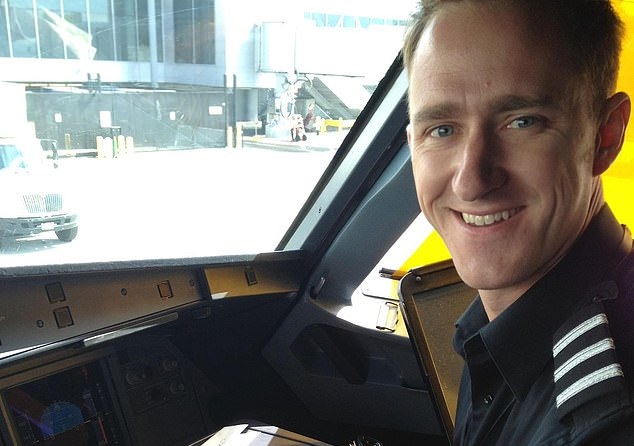
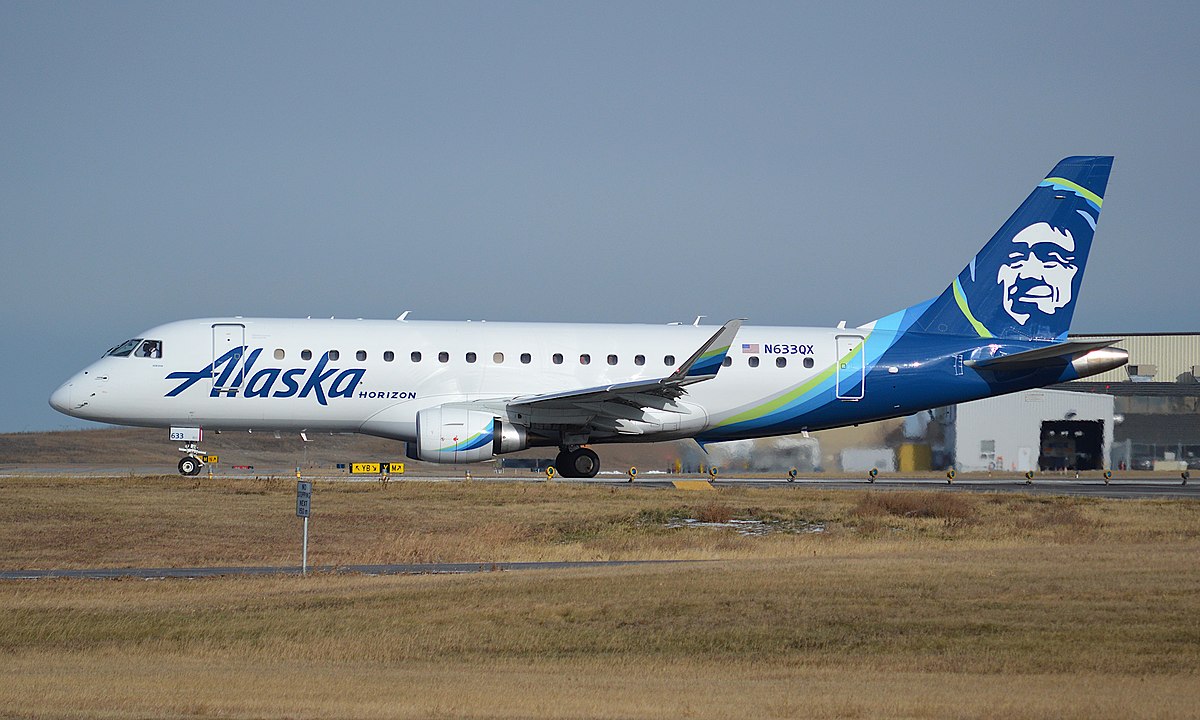
    In an alarming incident that unfolded on Sunday, October 22, 2023, aboard Horizon Airlines Flight 2059, we learned that an off-duty pilot by the name of Joseph David Emerson caused quite a commotion on the plane. This incident was no ordinary inflight disturbance, as Emerson attempted to shut down both engines mid-air in an apparent attempt to crash the Embraer E175 carrying 84 passengers and crew.

    The recently released probable cause affidavit, filed by Special Agent TaPara Simmons Jr. of the FBI and obtained by NPR, sheds light on the events that transpired. Emerson, who was sitting in the cockpit jump seat, took actions that left the crew and passengers in a state of shock.

    As the flight was en route to Portland International Airport, approximately halfway between Astoria, Oregon and Portland, Emerson made his unsettling move. He reached up and grabbed the red fire handles, which, if fully activated, would shut down the aircraft’s engines, essentially turning it into a glider. This audacious action prompted both pilots to intervene. They struggled with Emerson, ultimately preventing him from causing catastrophic consequences.

    What’s truly astonishing is that Emerson, who claimed to have been with the airline for ten years, seemed perfectly normal during the early stages of the flight. He engaged in casual conversation with the pilots and even talked about aircraft. However, somewhere along the way, he declared, “I’m not okay” and attempted to shut down the engines.

    The flight attendants also had their hands full, with Emerson’s behavior causing further alarm. They received a call from the cockpit and were told that Emerson was “losing it.” Upon leaving the cockpit, Emerson apparently attempted to open the emergency exit – a feat which isn’t possible at cruising altitude. He was eventually secured, handcuffed (which he actually asked for!), and seated at the back of the aircraft. Emerson continued to make concerning statements during the flight, admitting to endangering the lives of 84 people on board, including his own.

    Emerson’s post-incident interview with law enforcement revealed that he believed he was having a “nervous breakdown” and had not slept in 40 hours. He mentioned feeling dehydrated and tired. Emerson also revealed that this incident occurred after his experimentation with psychedelic mushrooms, although he denied taking any other medication.

    In light of these events, Special Agent TaPara Simmons Jr. submitted an affidavit seeking a criminal complaint and an arrest warrant for Emerson, charging him with “Interference with Flight Crew Members and Attendants” under Title 49 U.S.C. § 46504. This charge carries a potential penalty of a fine, imprisonment for up to 20 years, or both.

    The document leaves us with many questions, primarily concerning the potential consequences of drug use in the airline industry and the need for improved mental health support for airline personnel. In the end, while these are important discussions to have, there’s never an excuse to endanger 84 innocent lives. While this is a sad story for all involved, Emerson must still be held accountable for his actions and brought to justice.

  • Shocking Midflight Engine Shutdown Attempt: New Details Emerge

    Shocking Midflight Engine Shutdown Attempt: New Details Emerge

    In our previous report, we reported on a shocking incident that unfolded on Horizon Air Flight 2059, a regional carrier for Alaska, during its journey from Everett (PAE) to San Francisco (SFO). An off-duty pilot, Joseph David Emerson, seated in the jumpseat, allegedly attempted to shut off the engines mid-flight. The plane, an Embraer E175, was ultimately diverted to Portland International Airport (PDX), where Emerson was apprehended by law enforcement. The incident led to a laundry list of charges, including 83 felony counts of attempted murder, 83 misdemeanor counts of reckless endangerment, and 1 felony count of endangering an aircraft.

    Now, new details have emerged, shedding light on the harrowing events that took place on that fateful flight.

    The FAA’s Chilling Notice

    An FAA notice distributed to all U.S. airlines through its Domestic Events Network classified this as a “significant security event.” It disclosed that the “jump seat passenger” had attempted to disable the aircraft engines while the plane was at cruise altitude. This attempt was made by deploying the engine fire suppression system.

    In the Embraer E175, the fire handles, which are critical for controlling the engines, are located above the pilots on the ceiling. Pulling down the handle is a simple yet effective way to shut off fuel to the affected engine, quite literally halting the addition of fuel to the fire. This action, however, results in the engine’s immediate shutdown due to the lack of fuel supply. Rotating the handle after it’s pulled down activates two redundant fire suppression canisters; left for canister “A” and right for canister “B.”

    Alaska Air spokesperson Alexa Rudin revealed that, thankfully, some residual fuel remained in the line. The quick response of the flight crew, who reset the handles and restored fuel flow, averted a catastrophic fuel starvation.

    During the incident, the pilot flying the plane relayed a calm but chilling message to Portland air traffic control. “I’ll just give you a heads-up. We’ve got the guy that tried to shut the engines down out of the cockpit,” the pilot stated. “It doesn’t seem like he’s causing any issue at the back. I think he’s subdued.”

    From Level 4 Threat to Handcuffs

    As the plane approached Portland for its final landing, the air traffic controller sought verification of the threat level. The pilot flying responded, designating it as a “Level 4” threat, indicating a “breach of the flight crew compartment.” However, the situation evolved rapidly, with the pilot adding, “The threat is now in the back of the airplane, so we’ve reduced the threat level.”

    The crew, after a check-in with the flight attendants, informed air traffic control that the individual who had attempted to shut down the engines was “handcuffed and he’s in the aft back jumpseat for when law enforcement arrives, and right now he’s staying calm.” This “aft back jumpseat” is typically used by a flight attendant during landing.

    A Heroic Response

    Under the Federal Flight Deck Officer program, the Transportation Security Administration (TSA) deputizes qualified volunteer pilots as law enforcement officers to defend the flight deck of aircraft against acts of criminal violence and air piracy. This completely voluntary program, upon completion of specialized training, allows deputized pilots to carry a concealed handgun in order to protect their passengers. It’s currently unclear whether either of the pilots on this flight had such training or if they were carrying concealed weapons, but they certainly acted heroically to prevent a potentially catastrophic outcome.

    In a statement, the FBI assured the public that there is no ongoing threat related to this incident, while the FAA pledged its full support to law enforcement investigations.

    As the investigation unfolds, stay tuned for further updates as more details emerge.

    h/t Seattle Times

  • Unthinkable Mid-Flight Scare: Pilot’s Attempt to Shut Down Engines Leads to 83 Counts of Attempted Murder

    Unthinkable Mid-Flight Scare: Pilot’s Attempt to Shut Down Engines Leads to 83 Counts of Attempted Murder

    YIKES! It’s not every day you hear about a pilot attempting something as harrowing as shutting down the engines mid-flight. But that’s exactly what happened on Horizon Air flight 2059 (a regional carrier for Alaska), flying from Everett (PAE) to San Francisco (SFO) with an Embraer E175. In an alarming turn of events, an off-duty pilot, Joseph David Emerson, found himself in the jump seat, that seat inside the cockpit reserved for deadheading crew or other authorized individuals.

    Emerson allegedly made a run for the engine shutoffs in an apparent attempt to crash the aircraft with everyone on board. Luckily, the flight ended up diverting safely to Portland International Airport (PDX), and the situation was brought under control. It’s unclear who subdued Emerson, but given that the cockpit door is locked from the inside, it’s likely the on-duty captain and first officer played a crucial role in containing the situation.

    If you’re curious to hear just how it went down, there’s an audio recording available on LiveATC. At 10:56 on the recording, you can hear the captain notifying air traffic controllers that the pilot in question had been subdued and was now located in the back of the aircraft. They also requested law enforcement to meet the flight upon landing.

    Upon landing, Emerson was promptly arrested, and the charges against him are nothing short of jaw-dropping. According to the Multnomah County Sheriff’s Office website, he’s facing a laundry list of legal troubles:

    • 83 felony counts of attempted murder
    • 83 misdemeanor counts of reckless endangerment
    • 1 felony count of endangering an aircraft

    Alaska Air Group issued a statement, thanking their crew for professionally handling the situation. They also expressed their appreciation for their passengers’ calm and patience throughout the event. Kudos to the crew for keeping their cool during this extremely tense situation.

    The crew secured the aircraft without incident. All passengers on board were able to travel on a later flight. We are grateful for the professional handling of the situation by the Horizon flight crew and appreciate our guests’ calm and patience throughout this event.

    Statement by Alaska Air Group

    This incident underscores the critical importance of ensuring that those with cockpit access are trustworthy beyond reproach, and there’s not even an appearance of a doubt as to their trustworthiness and professionalism. Will this alarming episode prompt changes in the industry to prevent similar incidents in the future? It’s a question worth pondering.

    One possible outcome could be the Federal Aviation Administration (FAA) reevaluating the use of jump seats and perhaps even banning nonessential personnel from occupying them. This, however, would likely require airlines to remove one seat from their inventory on all future flights, potentially resulting in some involuntary rebookings for passengers who already had their tickets. And let’s face it, this could lead to a rise in airfares – but safety is the #1 concern, always.

    In the wake of such a shocking event, we can only hope for a thorough review of security measures and procedures to ensure the safety and trustworthiness of those entrusted with the lives of passengers. After all, the skies should remain the last place we expect such chilling surprises.

    h/t Running with Miles, KATU Channel 2