Tag: aus

  • Another Day, Another Runway Incursion at AUS?

    Another Day, Another Runway Incursion at AUS?

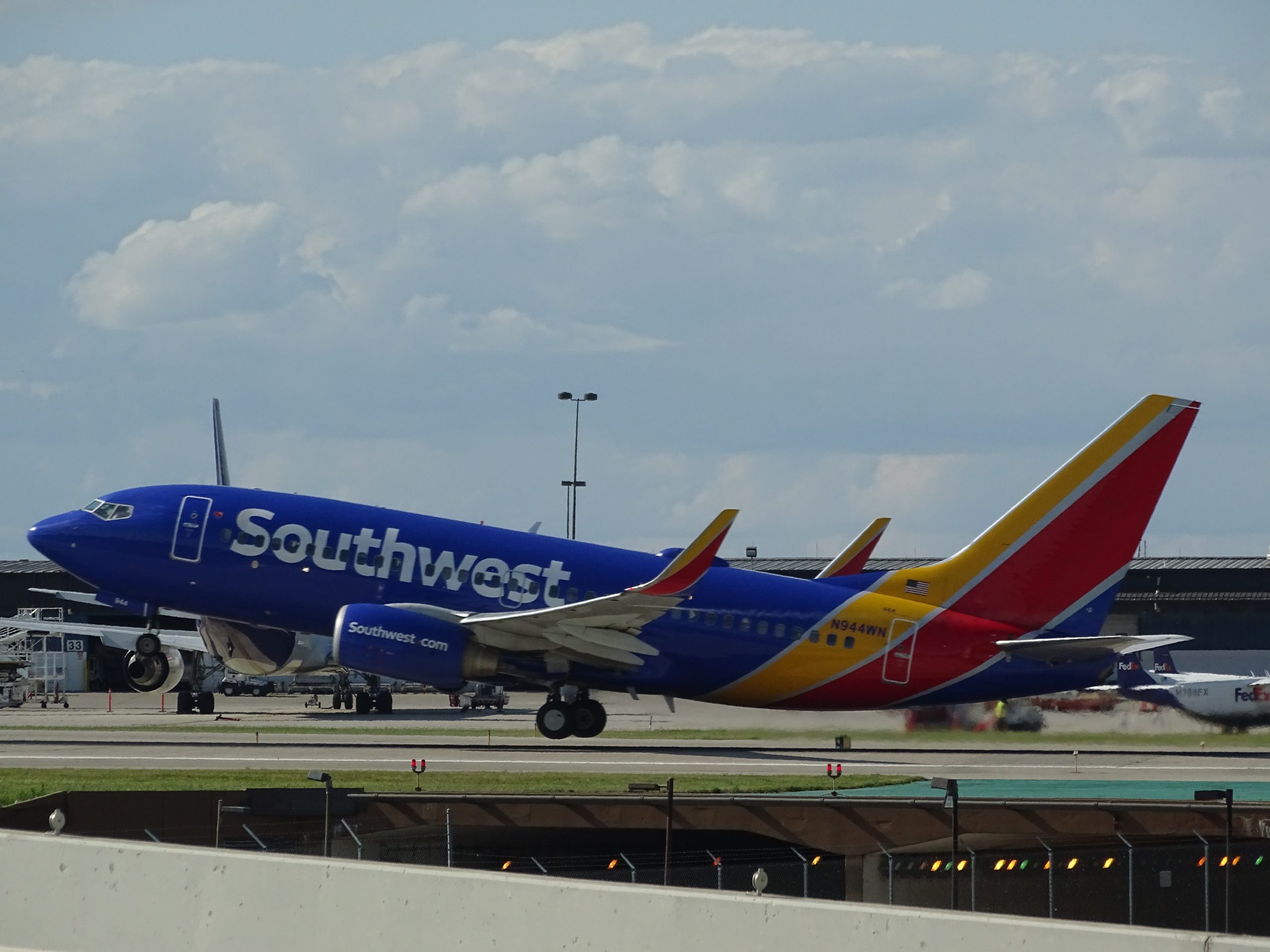
    Monday night, Austin-Bergstrom International Airport (AUS) witnessed yet another incident that’s becoming all too familiar in recent times – a runway incursion. This time, it involved Southwest Airlines flight WN2959 from Nashville (BNA), adding to the growing list of near-misses at the Austin airport over the past year.

    According to FlightAware data, the flight commenced its descent to AUS a little after 6 p.m. local time. However, things took an unexpected turn when the aircraft, at a mere 600 feet above the ground, decided to climb back up to 2,850 feet. The flight then made a second attempt at landing, eventually touching down at 6:17 p.m.

    A Southwest spokesperson downplayed the incident, describing it as a “standard go-around procedure” and emphasizing that pilots are well-trained to handle such scenarios, encountering them somewhat regularly. While the airline aims to reassure the public, this latest event has raised eyebrows in light of the increasing number of similar incidents at AUS in recent times.

    The Federal Aviation Administration (FAA) provided its official stance, stating that an air traffic controller instructed Southwest Airlines Flight 2959 to perform a go-around at 6:06 p.m. local time on Monday. The reason cited was the presence of another aircraft that had not yet exited the runway. Importantly, the FAA asserted that there was no compromise to the safe separation between the Southwest flight and any other aircraft.

    An air traffic controller instructed Southwest Airlines Flight 2959 to perform a go-around at Austin-Bergstrom International Airport at 6:06 p.m. local time on Monday, December 4, because another aircraft had not yet exited the runway. There was no loss of safe separation between the Southwest flight and any other aircraft.

    FAA Statement

    This incident comes on the heels of heightened concerns about safety at Austin’s airport, with a series of near-miss incidents in the past year, including another serious runway incursion earlier this year, prompting regulatory agencies to intervene. Just last week, the National Transportation Safety Board (NTSB) released a comprehensive 3,000-page report detailing that near-miss at AUS back in February.

    I can’t help but wonder if this is happening more often than is making news. Last September, I experienced a go-around on an American Airlines flight from Dallas/Fort Worth (DFW) into AUS. I was never able to figure out why, so I’m unsure if it was a runway incursion, or something related to the 8-hour series of events (including not one but two deplanings and a visit from DFW Airport PD) leading up to this aborted landing. Maybe someday I’ll write a post about that, but suffice to say it was by far the worst AA experience I’ve ever had, and had there been a single rental car available at DFW, I’d have just driven (this was a connecting flight). Luckily, I had a great seatmate that kept me sane through the ordeal; she and I still keep in touch to this day.

    The repeated occurrences of runway incursions and near misses underscore the importance of addressing safety measures at Austin-Bergstrom International Airport. It remains to be seen how authorities will implement and enforce measures to prevent such incidents in the future. The need for heightened vigilance and stringent safety protocols has never been more apparent in the skies over Austin.

    ht KXAN
  • BloodbAAth at Bergstrom: AA Slashes Almost Half of AUS Routes, Threatening Mini-Hub Status

    BloodbAAth at Bergstrom: AA Slashes Almost Half of AUS Routes, Threatening Mini-Hub Status

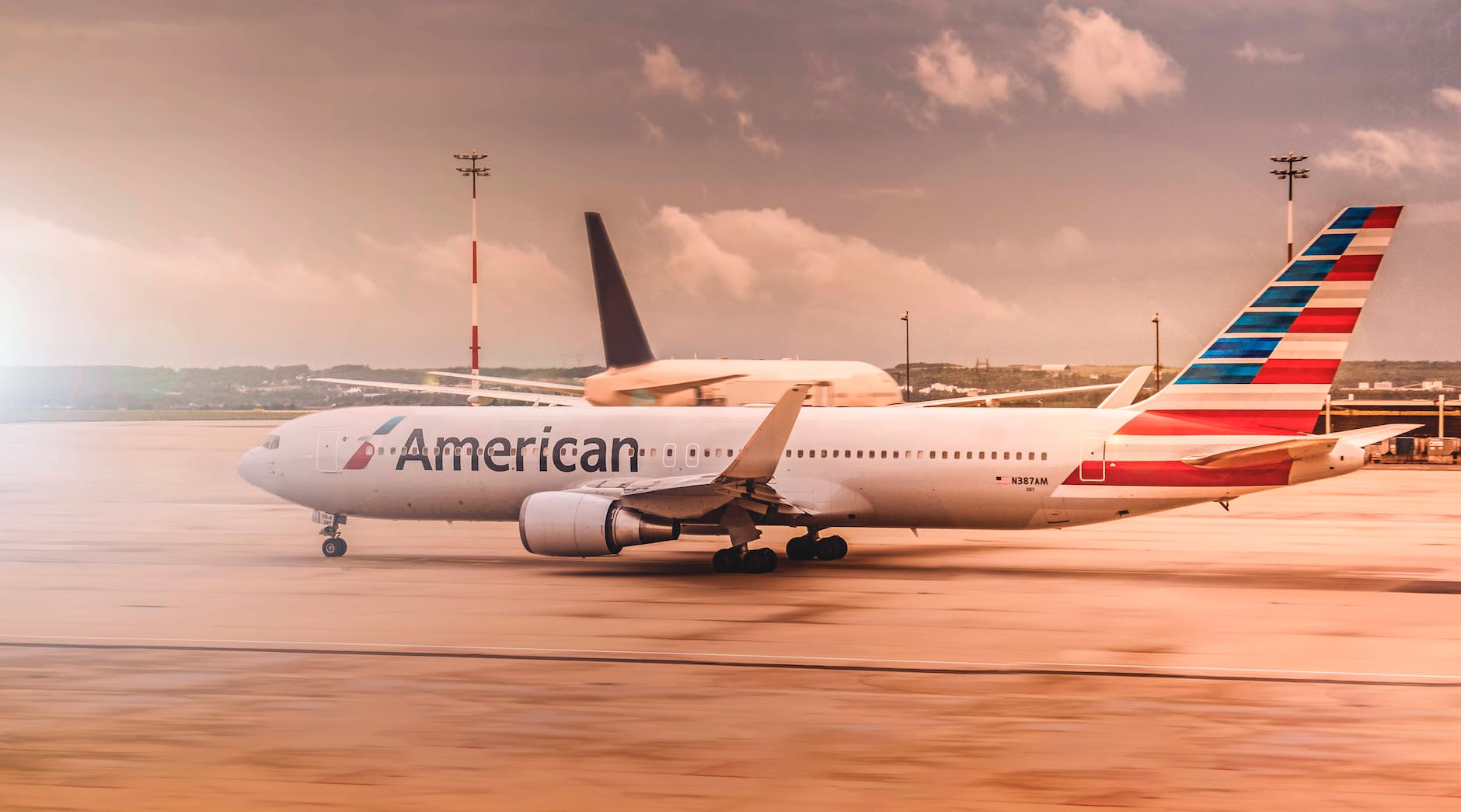
    American Airlines’ sudden move to axe 21 out of 46 routes at Austin-Bergstrom International Airport (AUS), as quietly revealed by Cirium data, has sent shockwaves through the frequent flyer community. This significant cut is a detrimental blow, effectively scaling down what was shaping up to be a ‘mini-hub’ into more of a standard focus city.

    The airport has grown at a breakneck pace in the past five or so years, evolving into something of a reliever hub for AA’s DFW fortress 190 miles to the north. During IRROPS at DFW, it wasn’t uncommon for agents to reroute passengers through AUS for connecting flights when nonstop options were limited from DFW.

    Curiously, despite the announced route cancellations, the airline has continued to sell flights that are due to be axed. It raises a question—Is American pulling a Qantas here? While it’s unlikely there’s any correlation here, it’s interesting to note that former AA CEO “Discount Doug” Parker recently joined the board at the Australian flag carrier.

    The Austin area has been a thriving hotspot, experiencing tremendous growth driven by the tech industry and its vibrant local culture. I miss my previous role requiring frequent visits to the Texas capital, even though the company’s Concur portal forbid us from staying at Hyatt’s many wonderful downtown properties, forcing me to resort to the airport Hyatt Place. The local culture, food, and music scene is unlike any other, and people are generally quite friendly.

    While crowding issues persist, my soft spot for Austin-Bergstrom Airport remains intact. The Admirals Club stands out, offering modest facilities but top-notch service from the AAngels—leaving visitors feeling like VIPs (I’m not the only one who has noticed this). The diverse range of local food and beverage options on the airport concourse also sets AUS apart, a refreshing contrast to the typical airport fare of Cinnabon and Auntie Anne’s found at many airports in the U.S. (though I am a sucker for Auntie Anne’s). The airport has long featured an outdoor observation deck, though that’s no longer open to the public as Chase has transformed it into a terrace for CSR cardholders.

    Photo I took of the view from the outdoor terrace at AUS, shortly before it closed to make way for the Chase Sapphire Terrace (C) Points & PDBs

    Getting in and out of AUS is relatively straightforward, and despite complaints by some about long security lines, as a member of both CLEAR and TSA PreCheck, I’ve never waited more than a minute or two for screening, even on the worst days. The walk to the rental car facility might confuse newcomers, but as a seasoned pro, the convenience of a quick walk through the parking garage outweighs waiting for a shuttle (and the National staff at AUS are wonderful).

    However, AUS has its fair share of challenges, as highlighted in a comment made on our site by industry expert Gary Leff of View From the Wing, who is based in Austin. His insights shed light on the airport’s growing pains, pointing out the surge in flights overshadowing premium air traffic. Gate squatting and the absence of significant capacity growth until a midfield terminal is established further compound the issues. The impending demolition of the South Terminal while accommodating other carriers in the main terminal without extra gates adds to the complexity. Leff states that “right now Austin is overall a place that yields go to die.”

    Moreover, the downturn in the tech sector, marked by layoffs and hiring freezes, could impact Austin’s economy disproportionately. Virgin Atlantic last week announced its exit from Austin, citing the softening in the tech sector – though Leff seemed to think they weren’t telling the whole story.

    I’ve always questioned the sustainability of having a mini-hub just 190 miles away from DFW. It was certainly nice to have AUS as an alternative to DFW or CLT when flying out of my home airport, TUL. Most of the time I’d choose DFW barring a substantial price difference, but those substantial differences did materialize often (probably a result of poor yields at the airport). Losing AUS-TUL, usually operated by a comfortable Embraer E175, is going to hurt. Southwest continues to operate the route, though I’d happily kill some time at DFW before I’d subject myself to a flight on WN.

    The extensive list of route cuts includes destinations such as Washington Dulles (IAD), Tampa (TPA), Cozumel (CZM), my home airport of Tulsa International (TUL), and others, effective between January and April 2024. The full list, uncovered by industry observer Adrian Waltz, is below:

  • Virgin Atlantic to End Austin-Heathrow Flights Amid Tech Bubble Burst

    Virgin Atlantic to End Austin-Heathrow Flights Amid Tech Bubble Burst

    Virgin Atlantic has announced its decision to end its service connecting Austin-Bergstrom International Airport (AUS) to London Heathrow (LHR). The British airline cites a “persistent softening in corporate demand, specifically within the tech sector,” as the primary reason for this strategic move.

    The last Virgin Atlantic flights to Austin are scheduled to operate on January 7, 2024. For those passengers affected by this decision, the airline has promised to provide various options, including the choice of a full refund. For now, Virgin’s UK rival, British Airways, continues to operate their AUS-LHR service, which has been in place since 2014.

    Juha Jarvinen, the chief commercial officer for Virgin Atlantic, expressed the airline’s sentiments, saying, “We’ve adored flying our customers to Austin and experiencing this wonderful city of music and culture, but demand in the tech sector is not set to improve in the near term, with corporate demand at only 70% of 2019 levels. Therefore, sadly, we made the tough decision to withdraw services. We’d like to thank everyone in Austin, our customers, teams, partners, and the authorities for their support over the past 18 months.”

    Virgin Atlantic had only launched its nonstop flights to Austin in May 2022, directly competing with British Airways on the same route. However, the numbers reveal a stark difference in the passenger counts, with Virgin Atlantic carrying only about a third of the passengers that British Airways was flying to and from Austin. The most recent figures from August, compiled by Bergstrom Airport administration, indicate that Virgin Atlantic transported approximately 4,800 passengers to and from Austin, compared to British Airways’ impressive 16,000 passengers – perhaps owing to the extremely high concentration of Oneworld elites in the Austin area.

    Austin-Bergstrom International Airport officials issued a statement expressing their gratitude for Virgin Atlantic’s ambitious route. They added, “We hope to welcome them back one day.”

    The suspension of the Austin-London route marks the second international route cancellation at AUS in recent months. Spirit Airlines had previously suspended its nonstop route to Monterrey, Mexico last month, citing low passenger demand (though, in fairness, Spirit has been facing larger financial difficulties). In response, Viva Aerobus has announced plans to launch its AUS-Monterrey route in March 2024.

    The tech industry has played a pivotal role in Austin’s rapid growth, with tech workers and companies flocking to the area from Silicon Valley and other parts of California. However, the tech bubble that fueled this expansion is now bursting, resulting in layoffs, hiring freezes, and a glut of applicants for tech-adjacent jobs. Even those with FAANG pedigrees are now scrambling to secure any tech-adjacent role they can get their hands on, including desktop support positions, often offering significantly lower pay, fewer business travel opportunities, and less time off compared to their previous positions.

    As Austin’s growth in recent years has been largely tech-driven, the bursting of the tech bubble has a disproportionately large impact on the city’s economy. This development could potentially affect the future of international routes from Austin, as well as domestic activity as that slows down across the board.

    Amid Austin’s rapid expansion in recent years, it has evolved into something of a “mini hub” for Southwest Airlines and American Airlines. Plans for a new midfield concourse had recently been announced, and were expedited by the Austin City Council just last month. However, with the uncertainty surrounding the tech bubble, the fate of these plans remains uncertain.

    The decision by Virgin Atlantic to suspend its Austin-London route reflects the challenges faced by the tech-driven economy of Austin and the broader impact of the tech bubble’s burst on the city’s small-but-mighty airport. We’ll have to keep a close eye on the developments at Austin-Bergstrom as it navigates through this period of transition.

    h/t KXAN