Tag: boarding process

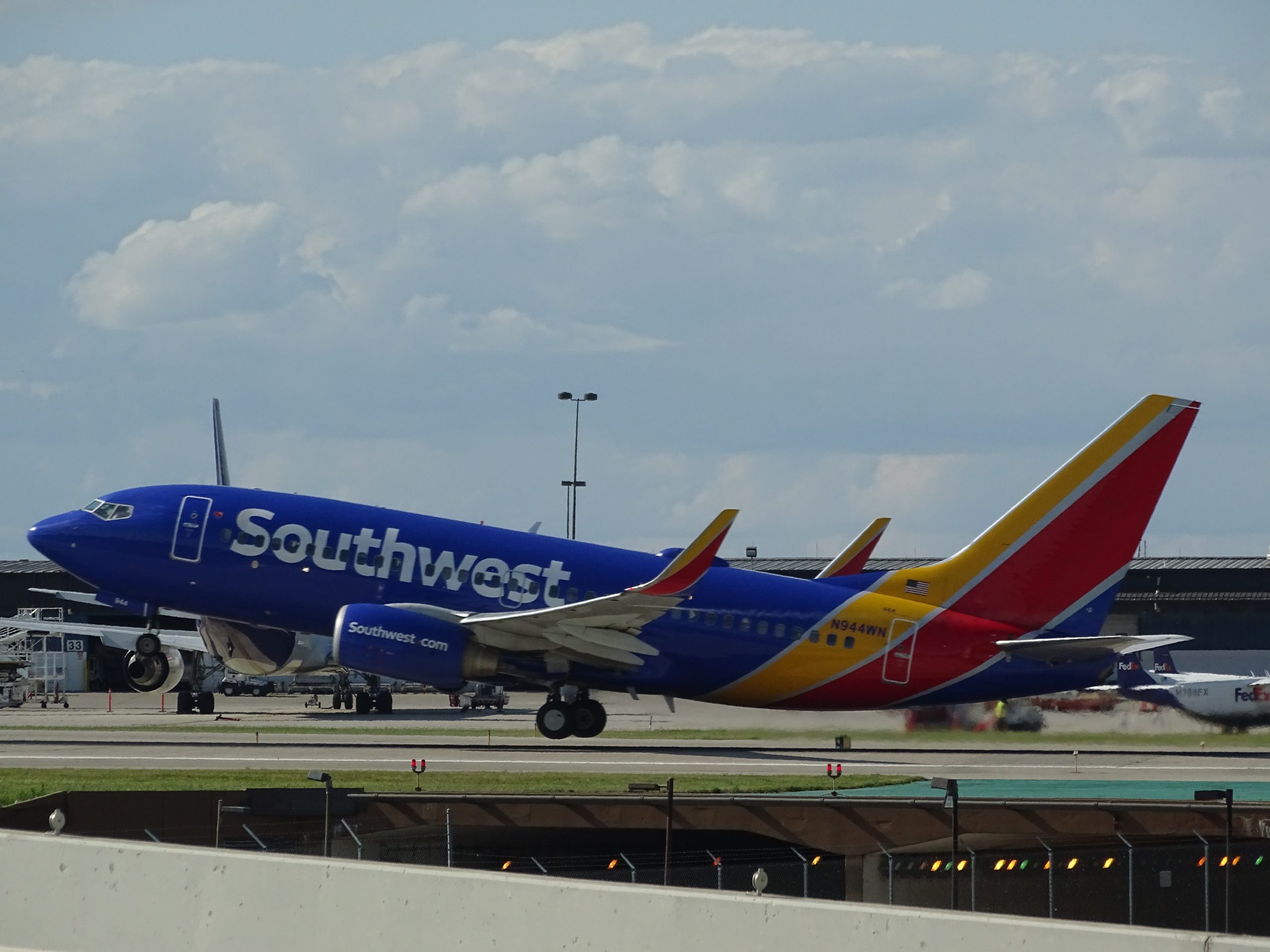
  • Southwest Airlines’ Boarding Anarchy: When Rules Don’t Rule the Gates

    Southwest Airlines’ Boarding Anarchy: When Rules Don’t Rule the Gates

    If you’ve ever flown Southwest, you’re probably familiar with their rather unique approach to boarding. It’s a free-for-all, where you’re assigned a boarding position (A, B, or C) and a number, and you’re left to fend for yourself when it’s time to claim your seat. There are no seat assignments, so whoever physically gets to a seat first can sit down and claim it. Sometimes people try to save seats for friends and family with later boarding positions, or they’ll “save” the middle seat in hopes of keeping it empty. Now, I’ll be the first to admit that I’m not a fan of this “Hunger Games” style scramble for a seat, but it’s the price you pay for the airline’s (allegedly) low fares and free checked bags (despite the fact most other airlines will give you this for simply holding a $95 credit card). You either love it or you hate it. I tend to fall into the latter category.

    One of the main reasons I avoid flying Southwest is their obnoxious first-come, first-served seating policy. You have to check in EXACTLY at T-24 to avoid the dreaded C boarding group and the possibility of a middle seat. Even if you do manage to check in at the right time, the notion of a true first-come, first-served setup isn’t entirely accurate. You’re still positioned after Business Select, Elite Members, and those who paid up for EarlyBird check-in. And good luck with that, because it’s only offered on select flights now. You can’t win.

    But let’s talk about the real issue here – Southwest’s gate agents and their enforcement of the boarding process. According to a recent Reddit thread, it seems that some passengers are taking matters into their own hands. People with B and even C boarding positions are sneaking into the A line and getting away with it. How is this happening? Do gate agents just assume everyone is lined up where they belong, and only listen for the scan beep? It’s a valid question. Clearly their gate agents have an issue not going to la la land during the boarding process, as a stowaway recently got past Southwest gate agents, only getting caught as a result of the flight being completely full.

    Some travelers have reported instances of gate agents actually checking and enforcing the boarding order. So, it’s clear that there are still some gate agents out there who are doing their jobs. But the real problem is the inconsistency. Some gate agents follow the rules, and others seem to let things slide. The honor system simply does not work in this setting – people will take advantage of it.

    To be sure, Southwest is far from the only airline with lax enforcement of boarding order. However, the impact on passengers is much more severe on Southwest, as combined with its open seating policy, boarding order determines not when you’ll reach your preferred seat, but if you’ll get a desirable seat at all. On airlines with more civilized boarding procedures, I actually prefer to be one of the last to board, and take the “now boarding” push notification as a sign I should finish up one more drink at the lounge. Doing this on Southwest, however, would all but guarantee a dreaded middle seat near the aft lavatories.

    Southwest’s unique boarding system isn’t the only thing that’s been causing headaches for passengers lately. The airline has faced operational challenges, including a full-scale network meltdown over Christmas 2022. They’ve tried to make amends with changes to their Rapid Rewards program and joining us in the 21st century with baggage tracking, but it’s clear that there are still issues that need to be addressed.

    So, what’s the solution here? Either gate agents need to do their jobs and enforce the boarding order consistently, or the software used to scan boarding passes needs to be changed to deny premature scans. It’s not rocket science. If you try to board before your group is called, you shouldn’t get that loud chime indicating it’s okay to board. And for those passengers who think they can game the system, shame on you.

    Southwest’s boarding process is chaotic, and it’s exacerbated by inconsistent enforcement. It’s time for the airline to step up and ensure that the rules are followed, or they risk alienating even more passengers. After all, if you wanted to play games, you’d go to the casino, not the airport (I suppose it’s fitting that LAS is a quasi-hub for WN?).
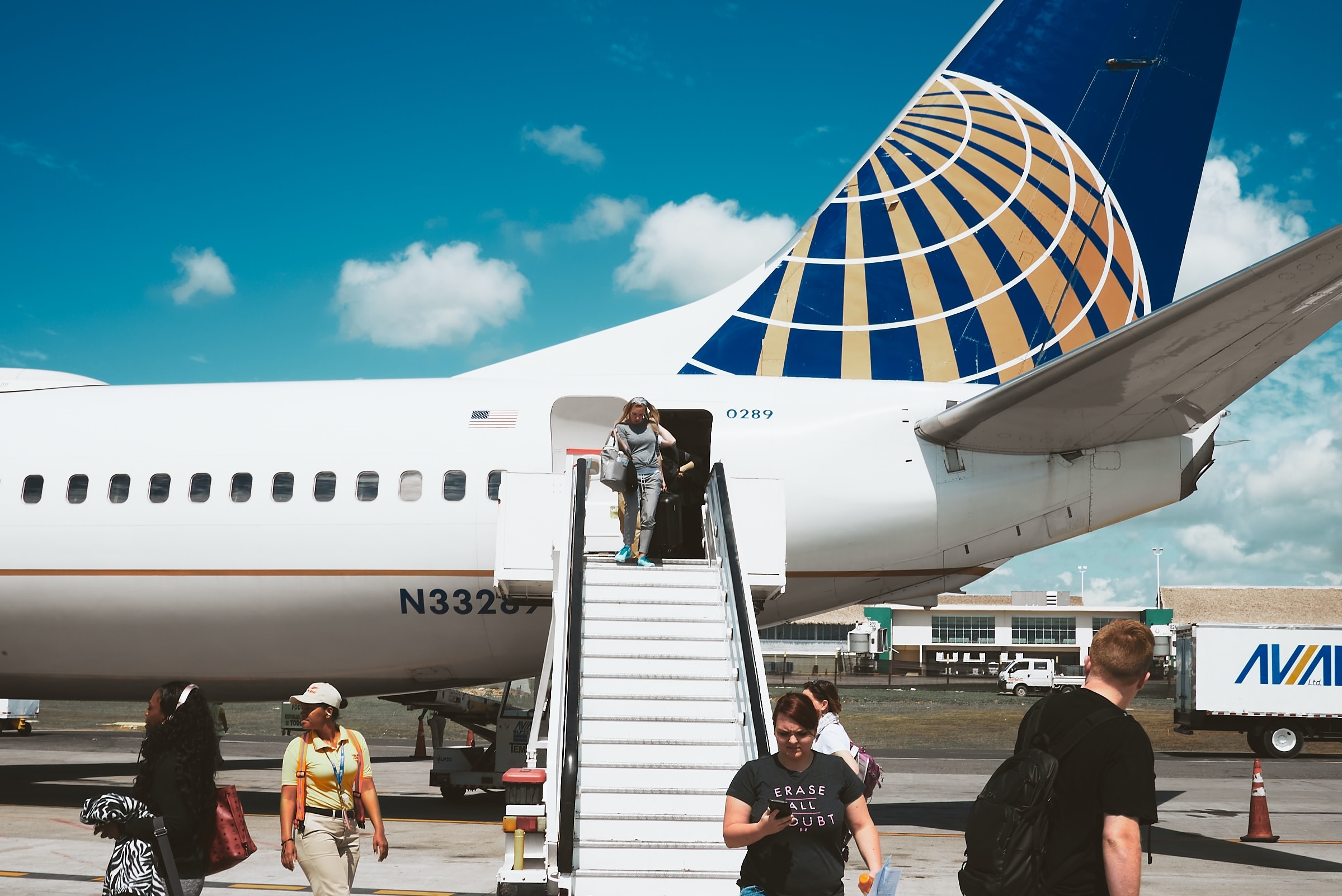
  • United Airlines Adopts “WILMA” Boarding Order

    United Airlines Adopts “WILMA” Boarding Order

    United Airlines is taking a step back to the past in an effort to streamline their boarding process. Starting on October 26, 2023, they will be reintroducing a previously-trialed boarding system known as “WILMA.” Now, you might be wondering what WILMA stands for, and trust me, you’re not the only one scratching your head over this acronym. It stands for Window, Middle, and Aisle, though the origin of that “L” remains somewhat unclear.

    Why the switch? Well, United Airlines has noticed that it takes them an average of two minutes longer to board a flight now compared to 2019. You might think that two minutes isn’t much, but when multiplied across their entire network, that time can quickly add up. Oddly, this lag in boarding time has happened at a time when United has been expanding its basic economy fare class, which, notably, doesn’t include a carry-on bag.

    Why could this be? With business travel still lagging behind pre-pandemic levels, leisure travelers and families, who might not be as accustomed to the boarding process, now make up a significant chunk of their passenger roster, slowing down boarding.

    So, United is making a change, but what exactly does this mean for travelers? In a nutshell, the idea is to seat passengers in the window, middle, and aisle seats in that order. Starting with Group 3, the new system is as follows:

    • Preboarding remains the same and includes customers with disabilities, unaccompanied minors, active military members, Global Services members, travelers with children 2 years and younger, and Premier 1K members.
    • Group 1 continues to include Premier Platinum and Gold members, Star Alliance Gold members, and travelers in United Polaris, United First, and United Business cabins.
    • Group 2 still consists of Premier Silver members, Star Alliance Silver members, travelers with Premier Access or priority boarding, and select cobranded credit card holders.
    • Group 3 encompasses window seats, exit row seats, and non-revenue travelers.
    • Group 4 is for the middle seats.
    • Group 5 is for passengers in aisle seats.
    • Group 6 is for basic economy customers, though it’s important to note that for long-haul flights and select Central American routes, there won’t be a Group 6. This exception is due to United allowing carry-on bags for passengers with intercontinental basic economy tickets.

    At first glance, it might seem like a lot of groups, but keep in mind that United’s competitors like American Airlines and Delta both have a whopping 10 boarding groups, making United’s seven seem relatively tame. United also has one of the most punitive Basic Economy products in the business, placing even their MileagePlus elite members in Group 6 when flying on a Basic Economy ticket; on competing airlines, many of the restrictions of BE fares can be defeated with elite status or the right credit card.

    In my opinion, if an airline really wants to speed the boarding process, the current fee structure of charging most passengers to check a bag should be flipped. Carry-on bags slow the boarding process immensely, especially towards the end of the process as overhead bins fill, and people have to get creative as to where to stow their bags. This slowdown plays out in reverse upon landing, creating frustrating delays in getting off the aircraft. Road warriors and business travelers recognize the huge time suck involved in checking a bag, and I imagine most would be willing to pay a premium for the ability to bring a full-size carry-on. As an AA elite, I’m entitled to free checked bags, yet I rarely utilize this benefit based on the inconvenience factor alone. United seems to recognize this reality, as they already require Basic Economy passengers to check their bags (and pay for the privilege). Perhaps airlines should consider a fee structure charging non-elites to bring a full-size carry-on into the cabin, and incentivize more passengers to check their bags by making those free of charge.

    Ultimately, the airline industry is fiercely competitive, and with razor-thin margins, carriers are constantly seeking ways to shave precious minutes off their boarding times. There are countless academic studies all centered around shaving minutes and seconds off the boarding process. For airlines like Southwest, their open-seating policy allows for fast boarding, as passengers can just sit down wherever they see a seat and space for their carryon; this is especially crucial as their business model has long relied on quick turns. United’s reversion to the “WILMA” system might be just the ticket to streamline the process and get passengers on board a bit faster, even if we’re still pondering the mysterious “L” in the acronym.