Tag: economy

  • Spirit Airlines Exits DEN Amid Financial Woes, P&W Engine Issues

    Spirit Airlines Exits DEN Amid Financial Woes, P&W Engine Issues

    Just a few months ago, airlines were riding high on unprecedented post-COVID revenge travel demand. People were itching to get back in the skies and explore the world after a long hiatus. Airlines were expanding their routes, booking up planes, and staffing up. But, as they say, the only constant in the airline industry is change, and here we are – another day, another airline doing layoffs, hiring freezes, or exiting a market.

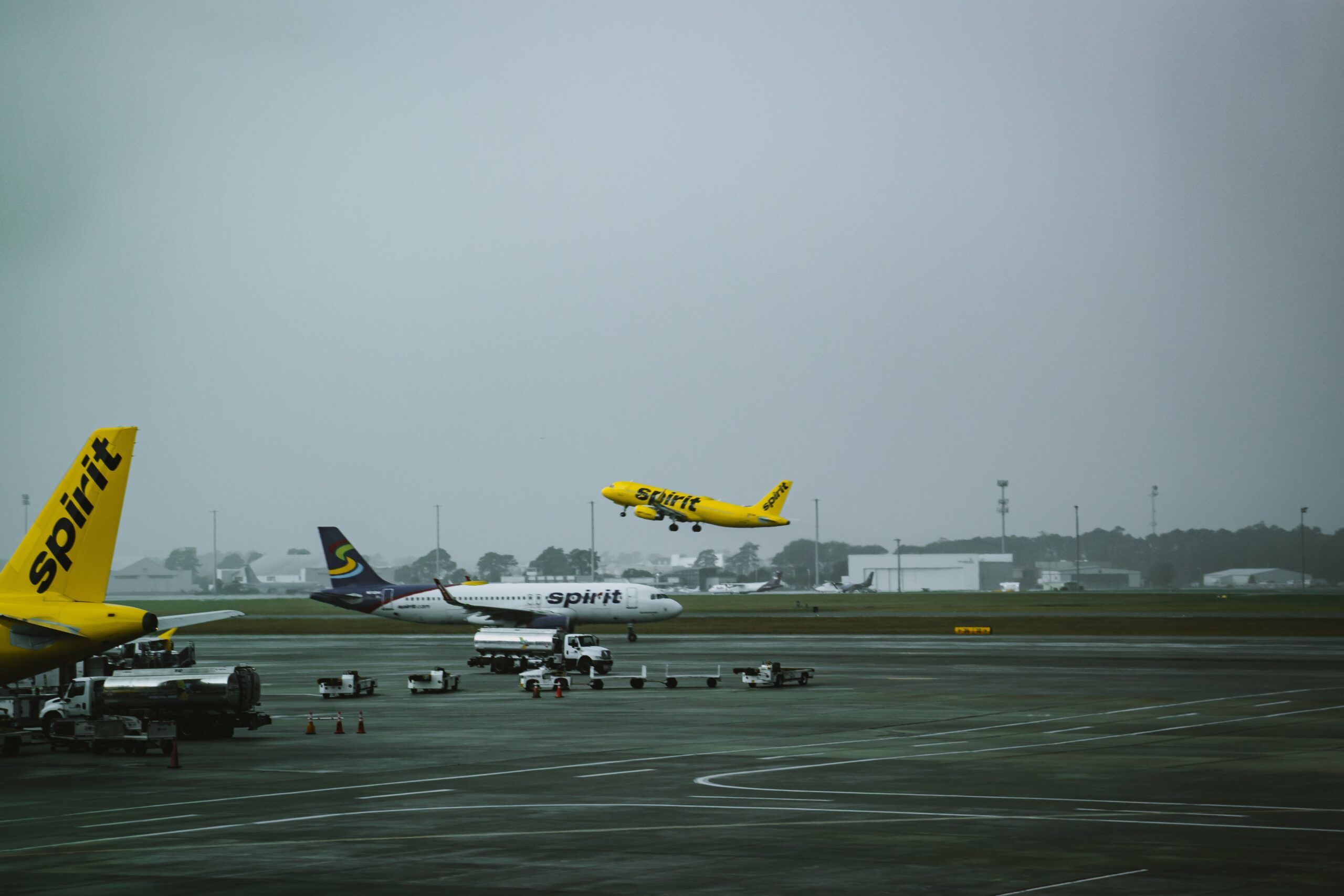
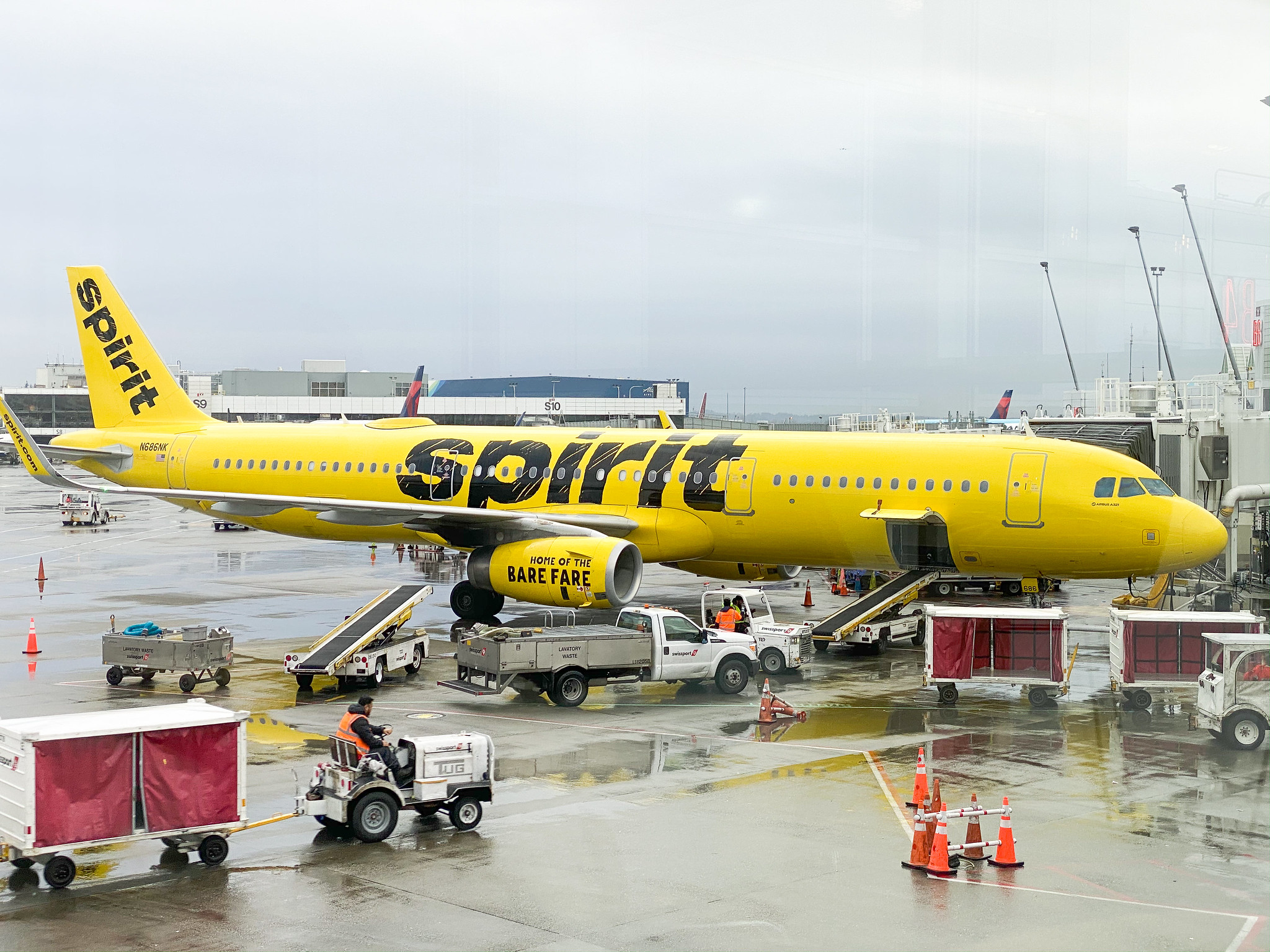
    The latest to join this trend is none other than Spirit Airlines, which has announced its exit from Denver International Airport (DEN). The reasons cited for this decision include demand in the market and ongoing woes with Pratt & Whitney engines. The ultra low-cost carrier will be wrapping up its operations at DEN on January 9, 2024.

    Denver, Colorado, is an intriguing market. It’s home to one of the largest airports in the world, and yet Spirit Airlines chose to serve only three cities from this bustling hub. Two of those cities, Fort Lauderdale (FLL) and Miami (MIA), are within close proximity to each other, and the third is Las Vegas (LAS). In total, that’s just 240 flights a month, with a daily rotation of one flight to FLL, one to MIA, and two to LAS. Even with strong competition from other ULCCs, one would expect Spirit’s presence at such a large airport to be just a little bigger, especially with DEN commanding a large amount of leisure travel during ski season.

    One of the key factors contributing to Spirit Airlines’ decision is the ongoing trouble with Pratt & Whitney engines. In August, the Federal Aviation Authority (FAA) issued an Airworthiness Directive for aircraft equipped with Pratt & Whitney’s PW1100G engines. Approximately 20 of Spirit’s aircraft were affected by this directive, and they are expected to remain grounded for about six to eight weeks. These engine issues have hampered Spirit’s ability to operate its flights effectively.

    Financially, Spirit Airlines has also been facing turbulent times. Last week, we brought you news about the airline enacting a hiring freeze, pausing training of new pilots and flight attendants indefinitely. In the Q3, the company reported a staggering $157.6 million loss. This loss is against the backdrop of $1.2 billion in revenue for Q3, with total revenue until September standing at $4 billion. The loss is attributed to several factors, including the engine problems we mentioned earlier and a shrinking domestic demand for air travel.

    Low-cost carriers like Spirit have been hit especially hard because the bulk of their routes are domestic. International travel, particularly to Europe, remains relatively robust, but U.S.-based LCCs typically don’t venture across the Atlantic. The result of reduced demand is lower fares in the short to medium term, putting pressure on the profitability of these airlines – not only are they selling fewer seats, but the margins on the seats they do sell are considerably smaller. Some economic experts have been warning of an impending recession for a while now, and the rapidly shrinking demand for air travel could indeed be a leading indicator of broader economic trends.

    And amidst these challenges, there’s an ongoing legal tussle at play. JetBlue Airways has been aggressively pursuing a takeover of Spirit Airlines. However, this attempt is currently being litigated in court. The outcome of this legal battle could potentially shape the future landscape of the airline industry, should the merger go through.

    One might wonder if part of why Denver is such a challenging market for Spirit is the presence of their largest rival, Frontier Airlines, which is based at DEN. Frontier recently made headlines by launching a status match promotion that’s, well, quite wild. They’re allowing virtually any elite status, even from hotels, to be matched to their Frontier Miles program for a fee. Additionally, rival Southwest likely commands a disproportionate share of ski traffic, as the airline gives all passengers (regardless of elite status) a generous allowance of two free checked bags on every flight, no matter what. The airline also is more flexible with oversize and odd-shaped baggage, a boon to those bringing gear with them to the slopes.

    The airline industry is a complex and ever-evolving beast. Spirit Airlines’ exit from Denver illustrates just how quickly things are changing in an industry that was riding high just a few short months ago. The ongoing engine problems and financial challenges are causing turbulence for this low-cost carrier. And with the domestic travel demand in flux, we’ll continue to keep a close eye on how these developments, including the JetBlue takeover attempt, affect the industry as a whole.

    h/t KDVR – Fox 31

  • Pink Slip Parade: Delta Gives Axe to Some Corporate Staff

    Pink Slip Parade: Delta Gives Axe to Some Corporate Staff

    Well, well, well, it seems Delta Air Lines is trimming the fat. The airline recently announced layoffs in their corporate and management ranks as part of their ongoing cost-cutting efforts.

    Of course, they didn’t specify exactly how many employees would be getting the pink slip, and they made sure to reassure us that this won’t affect the folks on the front lines – you know, the pilots and flight attendants.

    Delta’s statement to CNBC had all the usual corporate jargon about making “adjustments to programs, budgets, and organizational structures.” Translation: “We’re slashing jobs to save a few bucks, and don’t ask us how many.”

    While we’re not yet back to full capacity, now is the time to make adjustments to programs, budgets and organizational structures across Delta to meet our stated goals — one part of this effort includes adjustments to corporate staffing in support of these changes. These decisions are never made lightly but always with care and respect for our impacted team members and the Delta family.

    Delta statement to CNBC

    It’s interesting to note that not too long ago, Delta, along with other airlines, were hiring like there was no tomorrow. The post-COVID revenge travel boom was in full swing, and airlines were in a rush to bring more hands on deck.

    But now, that boom seems to be drying up faster than a puddle in the desert. International travel, especially to Europe, is still hanging in there, but domestic demand is taking a nosedive. Delta might be the first major airline to publicly announce layoffs, but it’s not the only one feeling the heat.

    Spirit Airlines recently put a halt on hiring, citing a drop in demand and Pratt & Whitney engine issues with their A320neo fleet. The airline industry is facing some headwinds, no doubt. However, we can’t paint the whole industry with the same brush just yet. It appears that most of the pain is being felt by low-cost carriers, and that’s probably because the bulk of their routes are domestic. While Southwest hasn’t announced any broad personnel actions just yet, they did make positive changes to their Rapid Rewards program – usually not something you see when times are good. If you were placing bets on broad layoffs at a legacy carrier, you might want to keep an eye on American Airlines, as their international route network isn’t as robust as their peers, and they’ve had a rough couple months financially, owing to payouts tied to new union contracts.

    Of course, there’s always the possibility that Delta just went on a hiring spree during COVID and is now realizing they’ve got too many cooks in the kitchen. Maybe they should’ve thought a little more strategically before expanding their corporate team.

    Some are speculating that this could be payback from frequent flyers who are none too pleased with the recent changes to Delta’s SkyMiles program. Medallion status is now all about how much cash you’re shelling out, and it’s a lot harder to attain. SkyClub access has been tightened up, and those Delta Reserve and AmEx Platinum cardholders can kiss their unlimited access goodbye.

    Sure, Delta tried to appease their elites with a partial rollback, but CEO Ed Bastian, aka “Fast Eddie,” pretty much spilled the beans to investors that this is just a temporary move. Looks like Delta has shown its true intentions, and it’s not sitting well with the loyal flyers. However, it’s likely that if this is in fact the cause, we won’t see any empirical evidence of this until at least Delta’s next 10-Q.

    So, what’s really going on at Delta? Are they just streamlining their operations, or are they facing a rebellion from their most loyal customers? Only time will tell, but one thing’s for sure – the airline industry is in for a bumpy ride.

  • Virgin Atlantic to End Austin-Heathrow Flights Amid Tech Bubble Burst

    Virgin Atlantic to End Austin-Heathrow Flights Amid Tech Bubble Burst

    Virgin Atlantic has announced its decision to end its service connecting Austin-Bergstrom International Airport (AUS) to London Heathrow (LHR). The British airline cites a “persistent softening in corporate demand, specifically within the tech sector,” as the primary reason for this strategic move.

    The last Virgin Atlantic flights to Austin are scheduled to operate on January 7, 2024. For those passengers affected by this decision, the airline has promised to provide various options, including the choice of a full refund. For now, Virgin’s UK rival, British Airways, continues to operate their AUS-LHR service, which has been in place since 2014.

    Juha Jarvinen, the chief commercial officer for Virgin Atlantic, expressed the airline’s sentiments, saying, “We’ve adored flying our customers to Austin and experiencing this wonderful city of music and culture, but demand in the tech sector is not set to improve in the near term, with corporate demand at only 70% of 2019 levels. Therefore, sadly, we made the tough decision to withdraw services. We’d like to thank everyone in Austin, our customers, teams, partners, and the authorities for their support over the past 18 months.”

    Virgin Atlantic had only launched its nonstop flights to Austin in May 2022, directly competing with British Airways on the same route. However, the numbers reveal a stark difference in the passenger counts, with Virgin Atlantic carrying only about a third of the passengers that British Airways was flying to and from Austin. The most recent figures from August, compiled by Bergstrom Airport administration, indicate that Virgin Atlantic transported approximately 4,800 passengers to and from Austin, compared to British Airways’ impressive 16,000 passengers – perhaps owing to the extremely high concentration of Oneworld elites in the Austin area.

    Austin-Bergstrom International Airport officials issued a statement expressing their gratitude for Virgin Atlantic’s ambitious route. They added, “We hope to welcome them back one day.”

    The suspension of the Austin-London route marks the second international route cancellation at AUS in recent months. Spirit Airlines had previously suspended its nonstop route to Monterrey, Mexico last month, citing low passenger demand (though, in fairness, Spirit has been facing larger financial difficulties). In response, Viva Aerobus has announced plans to launch its AUS-Monterrey route in March 2024.

    The tech industry has played a pivotal role in Austin’s rapid growth, with tech workers and companies flocking to the area from Silicon Valley and other parts of California. However, the tech bubble that fueled this expansion is now bursting, resulting in layoffs, hiring freezes, and a glut of applicants for tech-adjacent jobs. Even those with FAANG pedigrees are now scrambling to secure any tech-adjacent role they can get their hands on, including desktop support positions, often offering significantly lower pay, fewer business travel opportunities, and less time off compared to their previous positions.

    As Austin’s growth in recent years has been largely tech-driven, the bursting of the tech bubble has a disproportionately large impact on the city’s economy. This development could potentially affect the future of international routes from Austin, as well as domestic activity as that slows down across the board.

    Amid Austin’s rapid expansion in recent years, it has evolved into something of a “mini hub” for Southwest Airlines and American Airlines. Plans for a new midfield concourse had recently been announced, and were expedited by the Austin City Council just last month. However, with the uncertainty surrounding the tech bubble, the fate of these plans remains uncertain.

    The decision by Virgin Atlantic to suspend its Austin-London route reflects the challenges faced by the tech-driven economy of Austin and the broader impact of the tech bubble’s burst on the city’s small-but-mighty airport. We’ll have to keep a close eye on the developments at Austin-Bergstrom as it navigates through this period of transition.

    h/t KXAN

  • Spirit Airlines Does Complete 180, Freezes Hiring Amid Tough Quarter, P&W Engine Woes

    Spirit Airlines Does Complete 180, Freezes Hiring Amid Tough Quarter, P&W Engine Woes

    Spirit Airlines, one of the country’s largest ultra-low-cost carriers, finds itself in a tight spot as it navigates through the final quarter of 2023. The airline Friday announced a hiring freeze for new pilots and flight attendants, a stark contrast to their grand plans earlier this year. So, what’s causing this complete 180? Let’s take a closer look.

    What’s Behind the Hiring Freeze?

    In just a few short months, the airline industry has witnessed a significant shift in fortunes. Back in April, Spirit Airlines was riding high on the unstoppable wave of post-COVID revenge travel demand, which seemed like it had no intentions of slowing down. The airline had announced ambitious plans to hire a whopping 4,000 new employees in 2023 alone. And as recently as last month, the airline partnered with Liberty University to expand its hiring pipeline. Fast forward to today, and we find the airline slamming on the brakes with recruiting (hopefully they didn’t overheat said brakes as big as this 180 was).

    A320neo Engine Issues

    One major factor contributing to this hiring freeze is the unforeseen trouble with Pratt & Whitney engines, affecting Spirit’s Airbus A320neo aircraft. The Miramar, Florida-based airline expects to ground an average of 26 of these planes for inspections, all due to a manufacturing defect disclosed by Pratt & Whitney in August. The numbers are alarming, with 13 grounded planes expected in January, increasing to a staggering 41 by December next year.

    Spirit’s fleet, as of September 30, stood at 202 Airbus planes, making these grounding measures a significant setback. In their own words, “This expectation drives a dramatic decrease in the Company’s near-term growth projections.” Naturally, this has thrown a wrench into their plans for expansion and hiring.

    Spirit Airlines is in talks with Pratt & Whitney’s parent company, RTX, regarding compensation for the engine issue. RTX had previously mentioned that repairs would take 250 to 300 days, and approximately 350 planes powered by these geared turbofan engines would be grounded worldwide between 2024 and 2026.

    Economic Headwinds for LCCs

    While this hiring freeze by Spirit is the most dramatic action taken so far by an airline in response to the gathering economic storm clouds, Spirit is not the only low-cost carrier having a rough Q3. It appears that LCCs, which largely serve domestic leisure travelers, are taking the hardest hits from the economic headwinds currently sweeping through the country.

    Revenge travel demand, which appeared unstoppable until a few months ago, has suddenly dried up. Rising inflation, soaring interest rates, and widespread layoffs and hiring freezes across the economy have all played their part. Many who are fortunate enough to secure jobs in these conditions often have to accept lower salaries, return-to-office mandates, or roles with little to no paid time off.

    Domestic travel demand, which was breaking records just this summer, has done a complete 180 and largely evaporated. Demand to and from Europe still remains stronger than ever, but LCCs don’t serve Europe, and aren’t in a position to capitalize on that demand.

    This sudden shift in the travel landscape marks the first time we’ve seen any significant airline hiring freezes and layoffs since the early days of the COVID-19 pandemic. Other airlines, such as Breeze Airways, have been forced to make tough decisions, including slashing underperforming routes, in some cases just a month after launching them. Even Southwest Airlines recently made positive changes to its Rapid Rewards program – which while we always welcome customer-friendly changes, we usually only see loyalty programs change for the better when times are bad. At the end of the day, a loyalty program is a marketing tool – and if people are buying tickets anyway, there’s no need to spend money on marketing.

    It’s a challenging time for low-cost airlines like Spirit, but they are not alone in facing these economic headwinds. Only time will tell if this is a temporary bump in the road for airlines, or if we’ll eventually see a couple B and C players fold altogether.

    H/T CNBC