Tag: israel war

  • United Announces Israel Service Resumption, Then Promptly Retracts

    United Announces Israel Service Resumption, Then Promptly Retracts

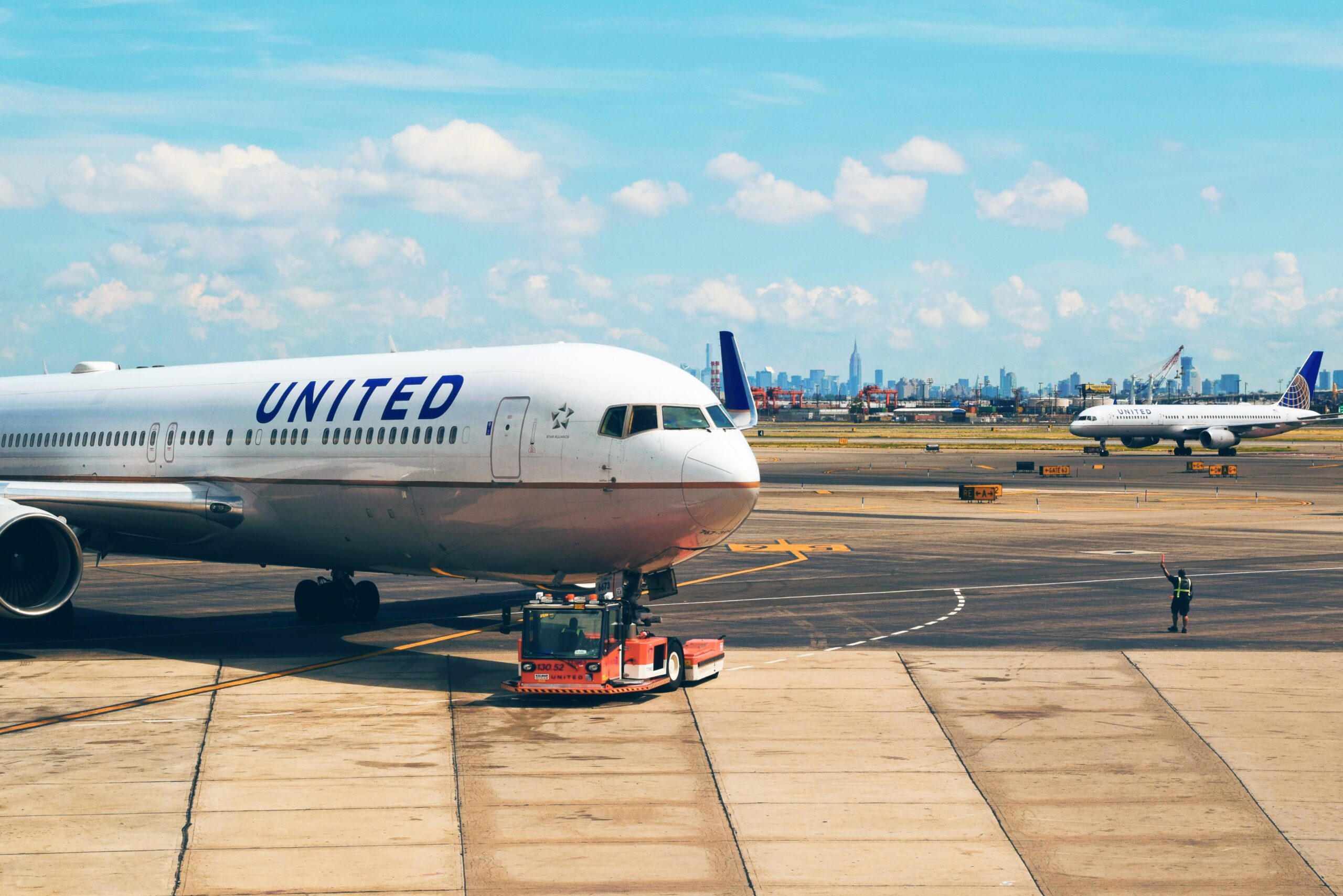
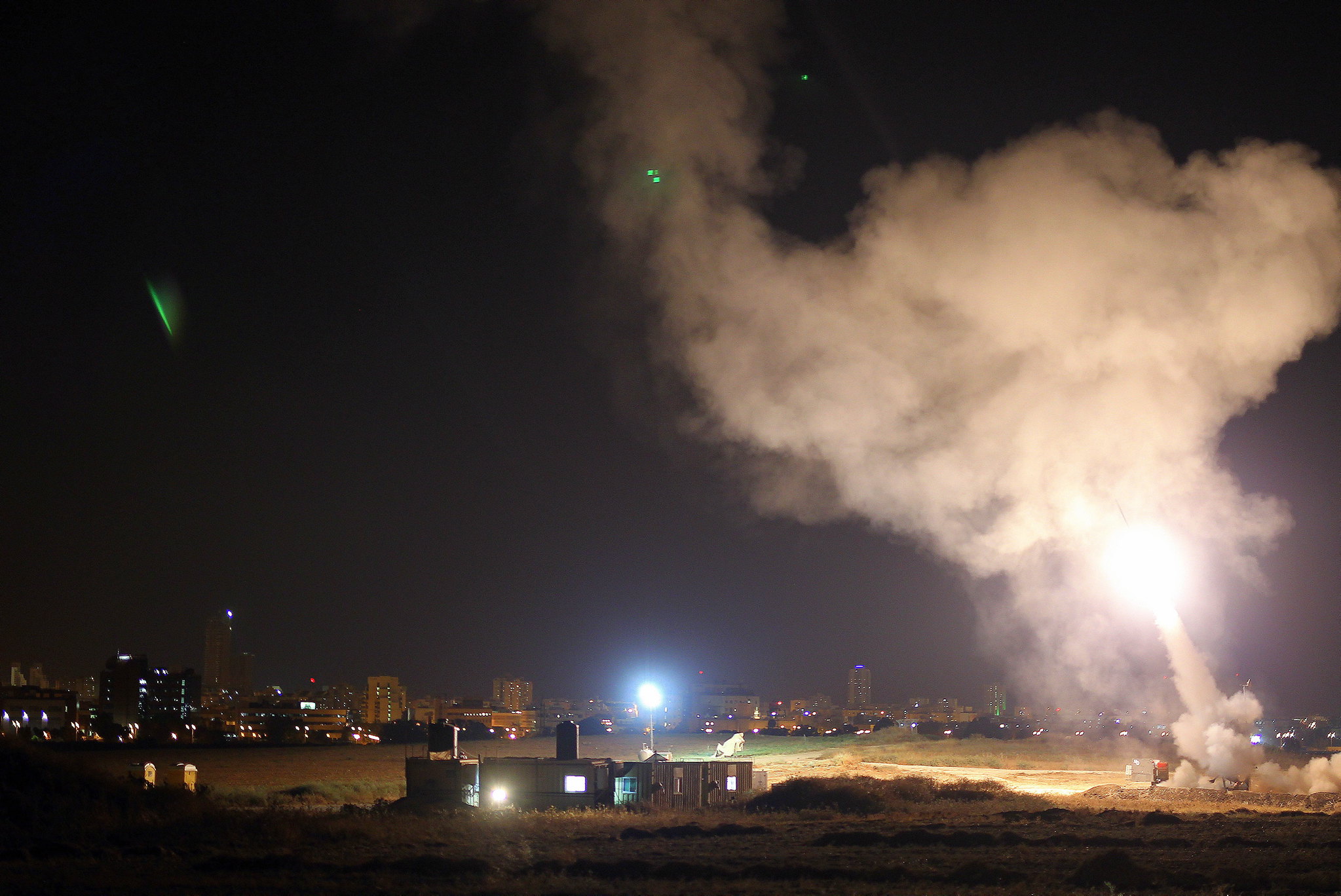
    Amidst the eruption of the ongoing conflict in Israel, major airlines swiftly halted their services to the region. United, in particular, found itself in a peculiar situation as one of its flights from SFO became a unintentional “flight to nowhere” when it had to turn back mid-air due to the eruption of hostilities during the course of the flight. The rapid escalation saw thousands of rockets launched towards Israel, including at Ben-Gurion Airport (TLV), prompting a suspension of flights to the country by most foreign airlines.

    United Airlines announced the resumption of its EWR-TLV service starting on November 24, a day after Thanksgiving. However, this announcement was promptly retracted, with the airline clarifying that flights to Tel Aviv would remain suspended until conditions permit their safe resumption.

    In the midst of this uncertainty, El Al, Israel’s flag carrier, emerged as one of the only airlines maintaining services to and from Israel. Notably, they continued operations even during the Sabbath, something which the carrier hasn’t done in decades. I previously delved into El Al’s utilization of C-MUSIC, a system designed to protect passengers from heat-seeking anti-aircraft missiles.

    While Delta tentatively scheduled the return of its JFK-TLV route from November 21, no formal announcement has been made. Given the unpredictable nature of the war situation, it’s anticipated that scheduling adjustments may continue until there’s a substantial change.

    Live and Let’s Fly reported American Airlines listing TLV flights starting December 4, but it seems that’s already been pulled down from AA.com. While tickets were offered for that date, they all involved connecting flights with Oneworld alliance partners like British Airways in Europe, without direct options from the U.S. on AA metal.

    The situation remains fluid, but my prediction is that we won’t see any service resumption by U.S. carriers until the conflict subsides, and potentially much longer. It’s likely we’ll see widebody equipment, already in short supply, re-allocated to other routes such as those to Europe. Once those schedules are built and equipment committed, it could potentially take significant time to organize service to TLV again.

  • U.S. State Department Issues Worldwide Caution Against International Travel

    U.S. State Department Issues Worldwide Caution Against International Travel

    The U.S. State Department issued a worldwide caution against international travel on Thursday, citing increased tensions in various locations around the world and the potential for terrorist attacks, demonstrations, or violent actions against U.S. citizens and interests. While this advisory might raise some eyebrows, it’s worth noting that the advice given isn’t a huge departure from what the Feds typically advise even in “normal” times.

    The backdrop for this alert includes a series of events that have shaken the international community. First and foremost, Israel finds itself in the midst of a conflict with Hamas following an unprovoked attack that saw terrorists rushing Israel’s border fence with Gaza. Tragically, this act of aggression resulted in the killing and kidnapping of thousands of Israeli civilians and numerous tourists from the U.S. and Europe. The gravity of the situation was highlighted when President Joe Biden, in only his second address to the nation during his presidency, discussed these hostilities in the Middle East.

    The situation in the Middle East isn’t the only cause for concern. The ongoing war between Russia and Ukraine continues to simmer, further adding to the global unease. While these conflicts may feel far away, they contribute to the overall atmosphere of uncertainty that prompted the State Department’s caution. I’d be primarily concerned about this if I were traveling to regions like Poland or any of the former Soviet states.

    In addition to these international conflicts, tourist attractions in France have been routinely evacuated in previous weeks due to threats of terrorism. Iconic sites like the Louvre and the Palace of Versailles have not been immune to these evacuations, underscoring the need for vigilance in crowded tourist areas. Additionally, flights in/out of Hamburg (HAM) were halted for several hours due to a threat against an aircraft inbound from Iran.

    So, what should you make of the State Department’s worldwide caution? Well, it’s not a call to cancel your international travel plans, but rather a nudge to exercise a little more caution than usual. Here are some steps to consider:

    1. Enroll in the Smart Traveler Enrollment Program (STEP): If you have upcoming international travel, it’s a good idea to enroll in this free program. It can provide you with valuable information and alerts and make it easier for the U.S. government to locate you in case of an emergency overseas.
    2. Do Your Homework: Before traveling, research the situation on the ground at your destination. Stay informed about local news and any travel advisories specific to that area.
    3. Be Aware of Your Surroundings: When you’re abroad, always keep an eye on your surroundings. The old adage, “If you see something, say something,” holds true. Reporting suspicious activity to local authorities can contribute to your safety and the safety of others.

    This advice is roughly equivalent to a “Level 2” travel advisory – the same level assigned to many traditionally “safe” countries like the UK and Germany just prior to the outbreak of the ongoing conflict in the Middle East. It shouldn’t scare you away from travel, but you should do a little more homework and exercise a general sense of awareness of your surroundings. What I probably wouldn’t do is go make a bunch of new bookings more than a few months into the future; the situation is constantly evolving, and I wouldn’t want to be stuck with a bunch of non-refundable reservations if things go south in the coming months.

    The State Department’s worldwide caution is a reminder that, while international travel is still very much doable at this juncture, it’s essential to be vigilant and prepared. Keep a watchful eye on the global situation, stay informed, and take sensible precautions to ensure your safety while abroad. Safe travels, and stay informed.

  • What is C-MUSIC? How El Al Protects Passengers from Anti-Aircraft Missiles

    What is C-MUSIC? How El Al Protects Passengers from Anti-Aircraft Missiles

    When it comes to airline security, El Al is known for taking absolutely zero chances. And understandably so – operating in one of the world’s most geopolitically volatile environments, the Israeli airline knows the importance of staying ahead of the curve. This importance is more apparent than ever, especially amid Israel’s ongoing war with Hamas and repeated attempted rocket attacks on Tel Aviv’s Ben Gurion International Airport.

    There’s a common misconception that El Al’s commercial airliners are armed with actual missiles – and that simply isn’t true. However, these aircraft do have onboard missile defense systems, which are designed to thwart heat-seeking missiles. In the past, these systems primarily used flares for this purpose, while newer installations have increasingly adopted the sophisticated C-MUSIC system, created by Elbit Systems of Haifa, Israel.

    What’s the Threat?
    Heat-seeking, anti-aircraft missiles, or MANPADS (Man-Portable Air Defense Systems), pose a grave danger to commercial aviation and VIP aircraft. These highly transportable and extremely lethal missiles have proliferated across the region in recent years, finding their way into the hands of terrorists and hostile non-state organizations. The consequences of a missile attack against an aircraft can often be dire, resulting in the loss of the aircraft and, tragically, the passengers on board.

    A Brief History
    El Al was an early pioneer in the development of onboard missile defense systems, commencing their foray into this technological realm back in the early 2000s under the moniker ‘Flight Guard.’ This initial system employed flares to confound heat-seeking missiles, a strategy that sparked controversy. Aviation authorities in some countries took issue with the utilization of flares, deeming it a potential fire hazard, and leading to the airline being banned from landing in some European countries like Switzerland. Such concerns ultimately catalyzed the development of an even more sophisticated and modern solution.

    Enter C-MUSIC
    C-MUSIC, short for Commercial-Multi Spectral Infrared Countermeasure, offers a powerful Directed Infra-Red Counter Measure (DIRCM) solution against MANPADS, drawing on years of proven experience in military settings to protect civilian aircraft. This advanced system has been installed on a wide range of commercial and civilian aircraft, including those transporting heads of state. Notably, it is certified by Israel’s Civil Aviation Authority, laser-based, and fully autonomous, requiring no action from the crew during engagement. In other words, it provides large jet aircraft with comprehensive protection against advanced heat-seeking ground-to-air missiles.

    How C-MUSIC Works
    C-MUSIC is neatly contained within a single, fuselage-mounted pod, employing sophisticated missile detection and jamming techniques to deliver superior aircraft protection. It has undergone extensive operational testing under the Israeli Ministry of Defense’s watchful eye. Additionally, it’s in use on various aircraft worldwide, including those serving high-profile passengers. The low-profile pod’s versatility enables swift detachment from one aircraft and reattachment to another, a crucial feature for fleets.

    The system uses an onboard FLIR infrared camera to detect incoming missiles, and fires back with infrared of its own to jam the missile’s target acquisition capabilities and (intentionally) lead it astray. C-MUSIC has gained the Government of Israel’s trust and is tasked with protecting all Israeli commercial airliners. It’s certified and installed on several Boeing and Airbus aircraft, with negligible impact on the aircraft’s performance. Through a multitude of flight tests and live fire tests, C-MUSIC has amassed over 35,000 operational hours across various aircraft platforms, proving its effectiveness under a wide range of operational conditions.

    Per FlightAware data at time of writing, it seems most of the flights still going in and out of Tel Aviv are on El Al metal. While most non-Israeli carriers have suspended all service to Ben Gurion, save for some limited repatriation flights, it seems to be largely business as usual for El Al – a testament to the airline’s advanced technology and know-how when it comes to operating in a volatile environment.

    Bottom Line
    C-MUSIC is more than just another addition to El Al’s security arsenal; it’s a testament to the airline’s unwavering commitment to passenger safety. Amid the outbreak of war in the Middle East, it’s reassuring to know that innovations like C-MUSIC are helping to keep the skies a safer place for everyone. Whether you’re an aviation enthusiast or just someone who values security in the skies, C-MUSIC is an advancement worth celebrating.

    Featured image courtesy Elbit Systems

  • BA Diverts Tel Aviv Flight on Final Approach; BA, VS Suspend Israel Operations

    BA Diverts Tel Aviv Flight on Final Approach; BA, VS Suspend Israel Operations

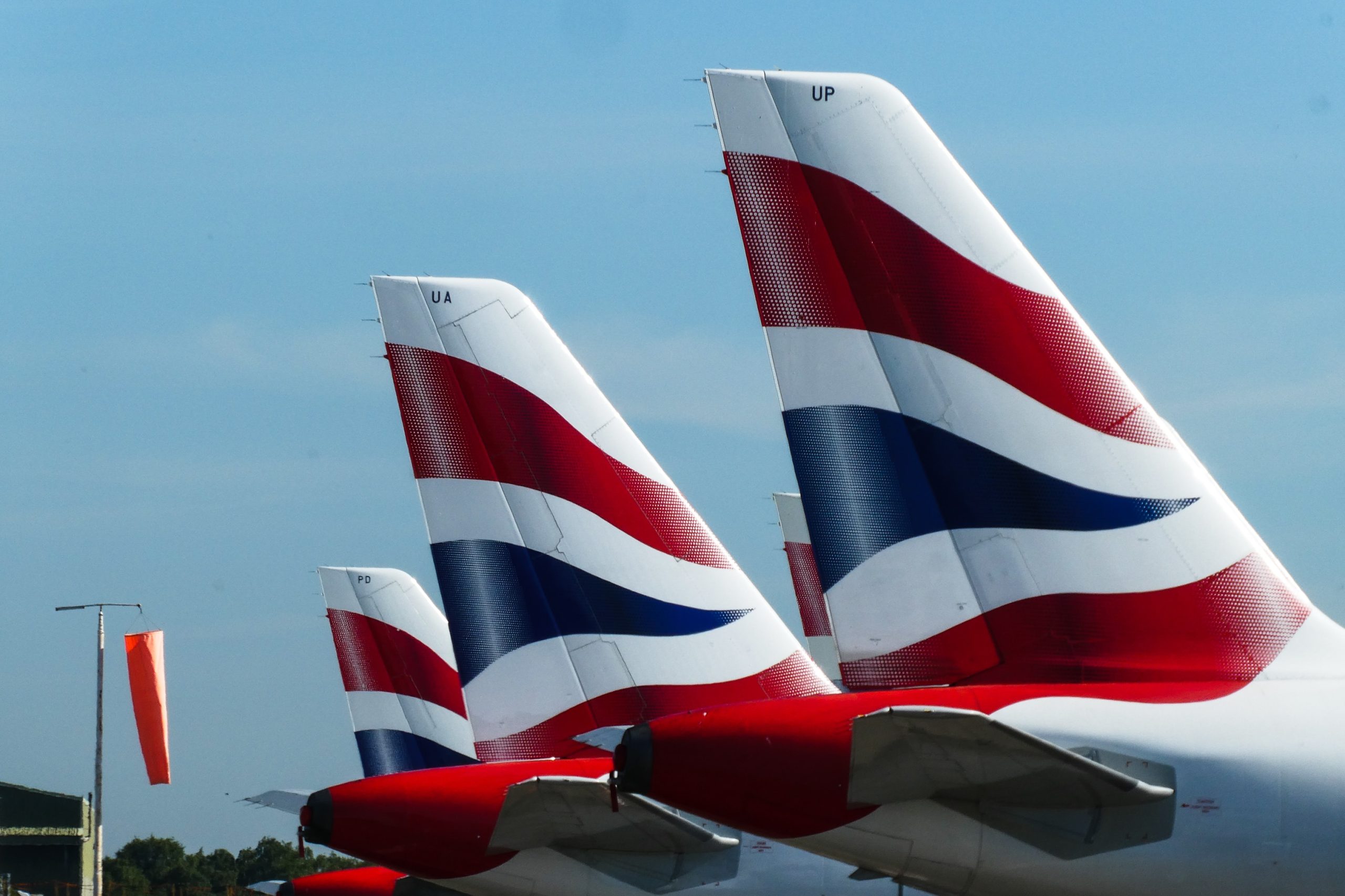
    A British Airways flight bound for Tel Aviv found itself diverting back to London Heathrow on Wednesday, just as it was on its final approach into Ben Gurion Airport (TLV). Flight BA165, operated on an Airbus A350-1000, touched down safely in London a little after 6:30 PM local time, after almost 10 hours airborne. The reason behind this unexpected change of course was the launch of a barrage of rockets by Hamas toward the city. While the Israel Airport Authority stated that the rocket attack didn’t pose an immediate threat to the airliner’s safety, British Airways decided to take no chances, and immediately suspended all its operations to Israel.

    This incident occurred amid escalating tensions in the region, with the conflict between Israel and Hamas intensifying. British Airways had been among the few airlines that continued to operate regular flights to Tel Aviv even after the hostilities began over the weekend. However, a spokesperson for the airline cited the “changing security environment” as the reason for discontinuing the flights.

    “Following the latest assessment of the situation, we’re suspending our flights to and from Tel Aviv,” the airline’s spokesperson confirmed. While Tel Aviv Airport had experienced sporadic rocket attacks in the days prior, British Airways had continued to operate non-stop flights from its Heathrow hub. BA had already pivoted towards daytime flights into Ben Gurion to prevent their crews from having overnight layovers in the country amid the ongoing war. Interestingly, fellow IAG-owned carrier Iberia Express still has flights scheduled for tomorrow between TLV and Madrid-Barajas (MAD), though it’s unclear if that will change amid this rapidly-evolving situation.

    Virgin Atlantic, another carrier operating flights to Tel Aviv from London Heathrow, initially indicated Wednesday that they intended to continue service to the region as scheduled. However, as the situation has continued to evolve, the airline has now suspended Israel service for at least the next 72 hours as they continue to re-assess conditions on the ground.

    Even Turkish Airlines, known for its high geopolitical risk tolerance and steadfast approach to serving conflict zones, has suspended its flights to Israel. Even amid the ongoing Russia-Ukraine conflict, TK has maintained its flights to Russia, providing about the only reliable link for essential travel to and from the region while most US and EU carriers have suspended their Russia operations indefinitely. However, the escalating tensions in Israel have proven too much even for Turkish, underscoring the gravity of the situation on the ground.

    As for British Airways, their services to Tel Aviv have been suspended for at least the remainder of the week. Given the current state of affairs, it’s highly likely that this suspension will extend well beyond that initial timeframe. It’s interesting to note that European carriers appear to have a higher geopolitical risk tolerance compared to their US counterparts. For instance, Delta Airlines has suspended its flights to Tel Aviv for at least the remainder of October.

    For those currently in Israel, especially tourists, the situation has become increasingly challenging as flight options out of Tel Aviv continue to dwindle. British Airways was once a reliable choice for exiting the region, but it’s no longer an option. In light of this, it’s essential for individuals to take proactive steps to ensure their safety and well-being. Registering with your country’s embassy (STEP program for American citizens) is a prudent move to ensure your government is aware of your whereabouts.

    For US and Canadian citizens, the most practical strategy may be to seek the soonest available means to get to Europe and then determine a game plan from there. Despite President Joe Biden’s pleas to the airline industry, it’s unlikely that we’ll see nonstop air service to North America from the region (except some limited service on El Al) until the conflict subsides. The situation is evolving rapidly, and travelers are advised to stay informed and make well-informed decisions based on the latest updates and guidance.

  • Aviation News Roundup: Israel-Hamas Conflict Impacts Air Travel

    Aviation News Roundup: Israel-Hamas Conflict Impacts Air Travel

    On Saturday, a tragic turn of events saw Hamas launch an unprecedented attack on Israel, leading to the loss of hundreds of lives, countless more taken hostage, and Israeli Prime Minister Benjamin Netanyahu declaring war.

    UA954’s Unexpected Detour: The whole world can change in an instant. UA954, a San Francisco to Tel Aviv flight, operated by a 777-300ER, found itself mid-air when the war began. The plane had to make a 180-degree turn over Greenland, embarking on a 13-hour “flight to nowhere” before landing safely back in SFO.

    Terrifying Moments at TLV: Passengers at Ben Gurion International Airport (TLV) were subjected to moments of sheer terror as rockets were intercepted nearby, forcing some to abandon their luggage and take cover as air raid sirens rang out. Surprisingly, this only briefly disrupted airport operations.

    Ben Gurion Still in Business: Despite the perilous situation, as per FlightAware data at the time of writing, TLV has only seen 65 canceled departures (20% of the total) and 70 canceled arrivals (23%) for the day. This defied our expectations, considering the circumstances. Then again, Ben Gurion is considered by many to be the world’s most secure airport – if I were in Israel right now, even despite the airport being named a target by Hamas, I still think the airport is likely the safest place to be.

    U.S. Airlines Play it Safe: Most U.S. and Canadian airlines have cancelled all flights in and out of Israel, limiting the options of Americans already in the country & trying to escape. The Allied Pilots Association (union for American Airlines) advised its pilots not to operate flights, citing safety concerns, and Delta just announced the cancellation of all TLV flights for the remainder of October. President Biden has publicly called upon U.S. carriers to resume service and facilitate the return of American citizens, but it remains uncertain if this will materialize. Meanwhile, we’ve heard anecdotal evidence of AA rebooking its customers on alliance partner British Airways to get them out via Heathrow; it’s unclear if United and Delta are using similar tactics, but I imagine SkyTeam is struggling, with KLM following Delta’s lead in suspending flights.

    Brave AA Pilots Step Up: In a remarkable show of solidarity, American Airlines pilots went against the advice of their own union, in order to take care of their own. They operated a special flight, AA9602 from TLV to JFK on a 777-200, exclusively for crew members and non-revenue passengers. United operated a similar flight for their crew, though details are unclear – and perhaps that’s a good thing, in the name of OPSEC. (h/t @xJonNYC)

    European Airlines’ Mixed Response: IAG group airlines, such as British Airways and Iberia, and low-cost carriers like EasyJet and Ryanair, appear to be largely operating normally, with a few flights cancelled and others operating as normal. According to a post in an unofficial AAdvantage members group, BA was even still serving PDBs in Club World… and I think a PDB would be the least of my worries while trying to escape a warzone. However, some carriers, like KLM, have suspended all flights. It’s interesting to note that European carriers seem to generally have a much higher risk tolerance when it comes to flying into geopolitically unstable regions compared to their U.S. counterparts.

    Even TK is Out: Turkish Airlines’ decision to suspend flights to Tel Aviv comes as a sobering indicator of the ongoing security concerns in the region. In an aviation landscape where many carriers are altering their routes and schedules in near-real time due to geopolitical tensions, Turkish Airlines has been known for its resilience, continuing to fly to destinations within Russia even amidst the ongoing Russia-Ukraine war. However, the situation in Tel Aviv has forced the airline to make this difficult choice, underscoring the seriousness of the circumstances in the area.

    El Al Bringing People… In?: El Al (LY) emerges as a crucial player during this turbulent period. While other carriers are reducing their services, El Al is bringing many into TLV. Why? Many Israelis are returning home from abroad to serve in the war, as Israel calls up an unprecedented 300,000 reservists. It’s worth noting that El Al is the only commercial air carrier to equip its aircraft with missile defense systems. These systems, like Elbit Systems’ C-MUSIC, are designed to throw off heat-seeking missiles with infrared or flares, ensuring the safety of passengers and crew.

    As the situation unfolds, those wishing to leave the region should do so as soon as possible, by any safe means possible, and let your home country’s embassy know of your whereabouts. For American travelers, this means enrolling in the STEP program. It’s worth repeating – and I can’t stress this enough – if you’re an American or Canadian, and you want out of Israel, your best bet by far right now is to get yourself to Europe as soon as safely possible and figure it out from there. Despite Biden’s plea to the airlines, there is no guarantee we will see another commercial flight to the U.S. from TLV for the duration of the war. Could it happen? Yes, but I’d much rather be figuring out my next move from the safety of Heathrow than waiting for the federal government to figure things out.

    In these challenging times, aviation takes on a role beyond its usual purview, providing an essential escape route for individuals affected by the ongoing conflict. The situation remains fluid, but we’ll continue to follow it and bring you info as we get it.