Tag: oneworld

  • Aer Lingus Added as Earn-Only AA Partner; Will They Rejoin Oneworld?

    Aer Lingus Added as Earn-Only AA Partner; Will They Rejoin Oneworld?

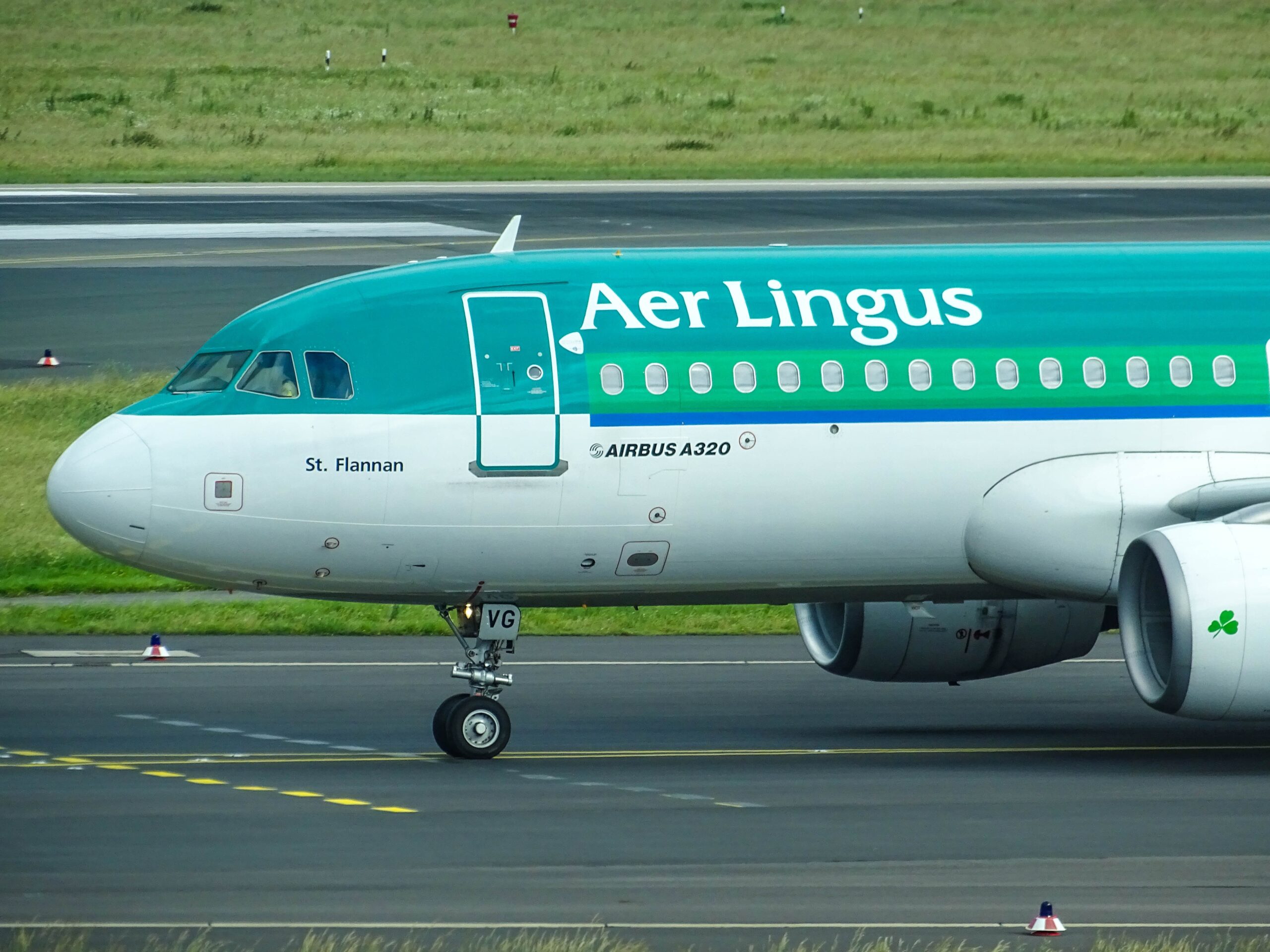
    American Airlines and Aer Lingus forged a partnership early in 2022. This move followed the Irish flag carrier’s entry into the Oneworld transatlantic joint venture in 2020.

    The partnership initiated a codeshare agreement aimed at enhancing the travel experience between the United States and Ireland. This agreement allowed American Airlines and Aer Lingus to place their codes on each other’s flights, streamlining the booking process for passengers on either airline’s website.

    Despite the promising start, the journey to full integration faced challenges, particularly in the area of frequent flyer reciprocity. For nearly two years after the launch of the partnership, passengers had no opportunities to earn or redeem miles, and certainly didn’t receive reciprocal elite benefits.

    However, as of December 2023 (in other words, now), a breakthrough has emerged with the introduction of reciprocal mileage earning. Let’s be clear: this is currently an earn-only partnership at this time. American AAdvantage members can now earn miles for flights marketed and operated by Aer Lingus, with an earning rate of 5x miles per dollar spent. Additional elite bonuses are available for higher-tier AAdvantage members.

    While reciprocal award redemptions are anticipated in the future, the timeline for this development remains uncertain. Moreover, there is no indication of reciprocal elite perks at this point.

    The integration process has not been without its challenges, and concerns have been raised about the slow progress and lack of metal neutrality in the oneworld transatlantic joint venture. Despite Aer Lingus’s membership in the joint venture for almost three years, the reciprocity between the airlines took time to materialize, leaving observers perplexed about the reasons behind the delayed and limited integration.

    Adding to the complexity of the situation is Aer Lingus’s historical partnership with United, which recently came to an end, as previously discussed in an October blog post. The severed ties with United seem to be a push to align the airline even further with Oneworld.

    Looking beyond the immediate developments, industry observers are left speculating about Aer Lingus’s potential return to the Oneworld alliance. The airline was a member of Oneworld until it departed in 2007 but has maintained strong connections to the alliance despite its official neutrality (possibly owing to its ownership by IAG). Rumors circulating on FlyerTalk earlier in the year suggested that Aer Lingus might be considering a return, possibly as early as Q2 2025.

    Aer Lingus’s unique position within International Airlines Group (IAG) adds to the intrigue. It stands as the only full-service airline under the IAG umbrella that is not a member of any alliance, let alone Oneworld. With IAG’s other legacy carriers, including British Airways and Iberia, holding longstanding Oneworld memberships, the recent severing of ties with United, and now this new development, the speculation about Aer Lingus’s return to the alliance gains momentum.

    While it’s unclear exactly what the future holds, let’s all cross our fingers for a big announcement sometime in early to mid 2024.
  • Sunday Surprise: Alaska Announces Intent to Purchase Hawaiian Airlines in $1.9 Billion Deal

    Sunday Surprise: Alaska Announces Intent to Purchase Hawaiian Airlines in $1.9 Billion Deal

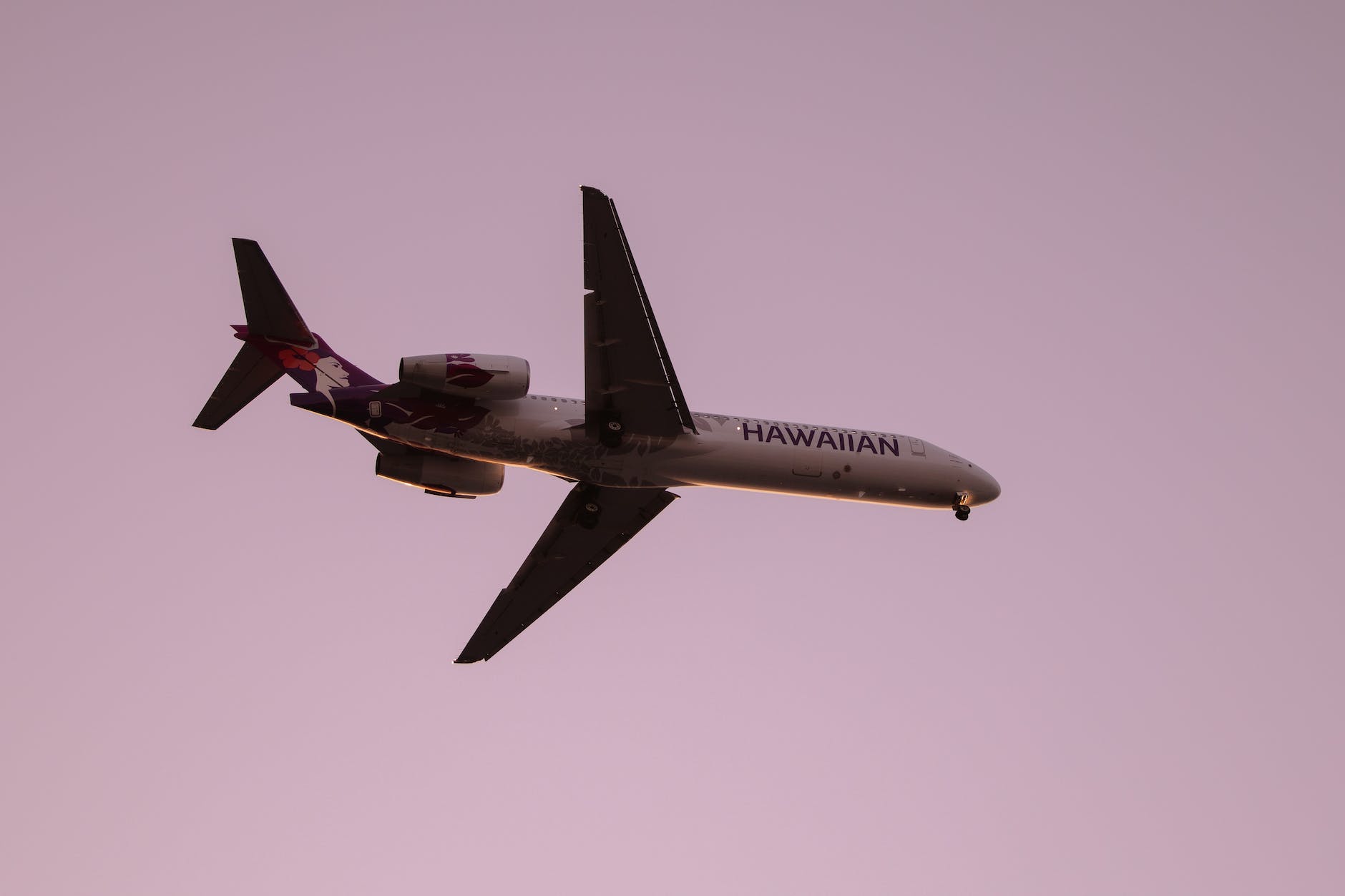
    Alaska Airlines just dropped a Sunday bombshell: they went shopping and picked up a Hawaiian Airlines in a hefty $1.9 billion deal, subject to regulatory approval. The cash transaction values each Hawaiian Airlines share at $18.00, with the overall package including $0.9 billion of Hawaiian’ Airlines’s net debt.

    The Hawaiian brand isn’t going anywhere, however. The marriage of these two carriers will keep both the Alaska Airlines and Hawaiian Airlines brands intact, backed by a unified loyalty program. The resultant behemoth will boast a fleet of 365 aircraft, providing connections to 138 destinations on HA/AS metal, and hooking into the extensive Oneworld Alliance for access to over 1,200. This merger isn’t just about dollars and cents; it’s about establishing Honolulu (HNL) as a strategic hub for the combined airline. This move promises expanded services for Hawaii residents headed to the mainland U.S., and opens up fresh connections for Alaska to the Asia-Pacific market.

    Admittedly, airline mergers are generally bad for consumers, but dare I say that this one would be an overall good thing for most passengers? Currently, American and Alaska’s route networks to Hawaii and the Asia-Pacific market are… other than the best. While there is, of course, bound to be some overlap, the existing two US Oneworld carriers don’t really compete with Hawaiian in any substantial way. Rather, the addition of Hawaiian to the alliance will be a complement to American and Alaska’s existing route networks. Aside from a limited partnership with JetBlue (which we expect to be unwound), Hawaiian currently lacks a serious network of feeder flights within the mainland, making it tough to fly Hawaiian to/from secondary markets in the continental US.

    As an example, let’s say your home airport is Tulsa (TUL). Currently, in order to fly Hawaiian to HNL, your options are to either drive 7-8 hours to Austin (AUS) to catch a nonstop, or book a separate positioning flight (at your own risk) to a market that Hawaiian serves. Now that Hawaiian will be joining Oneworld, you could book a flight on Hawaiian to/from TUL, with AA acting as the “last mile.” The inverse applies as well, giving Hawaii residents new options to reach secondary markets on the mainland (and some large markets, too, like Dallas/Fort Worth (DFW)), driving down prices through competition.

    On the flip side, the news could be the final death knell for American Airlines’ dreams of establishing an international gateway at Seattle-Tacoma International Airport (SEA). If the recent confirmation that AA’s SEA-LHR route is permanently grounded didn’t already spell the end of that experiment, this Alaska-Hawaiian affair definitely seals the deal.

    Am I the only one who saw this coming? Hawaiian has been a perennial money-loser in the wake of Southwest Airlines barging into the Hawaii market (I wish I’d been blogging back then so I could link to the article where I called this). Hawaiian is essentially the mom-n-pop store in a battle with the Costco of airlines (okay, maybe Southwest is more like a Walmart than a Costco, but… you get the idea). Like ’em or not, Southwest’s scale is a huge competitive advantage for them, and you’re not going to be able to compete against them with a fleet of 62 aircraft. The only paths forward for Hawaiian were to merge with a larger player, or die out. The fact that Alaska is allowing Hawaiian to maintain their distinct brand identity makes this the airline’s best shot at continued survival amid mounting economic pressures. Both airlines generally have a good reputation, so I don’t foresee the level of service suffering on either side here. The pilots also are represented by the same union, so arguably this is a great match.

    But let’s not pop the champagne just yet. The Biden Administration might still rain on this parade. The Biden DOJ, notorious for its tough stance on mergers and antitrust cases (see also: JetBlue x Spirit), could throw a spanner in the works. So, while some are clinking glasses to celebrate, others are watching with a cautious eye, aware that the fate of this union ultimately rests in the hands of regulators.

  • Aer Lingus Terminates United Codeshare – Will They Rejoin Oneworld?

    Aer Lingus Terminates United Codeshare – Will They Rejoin Oneworld?

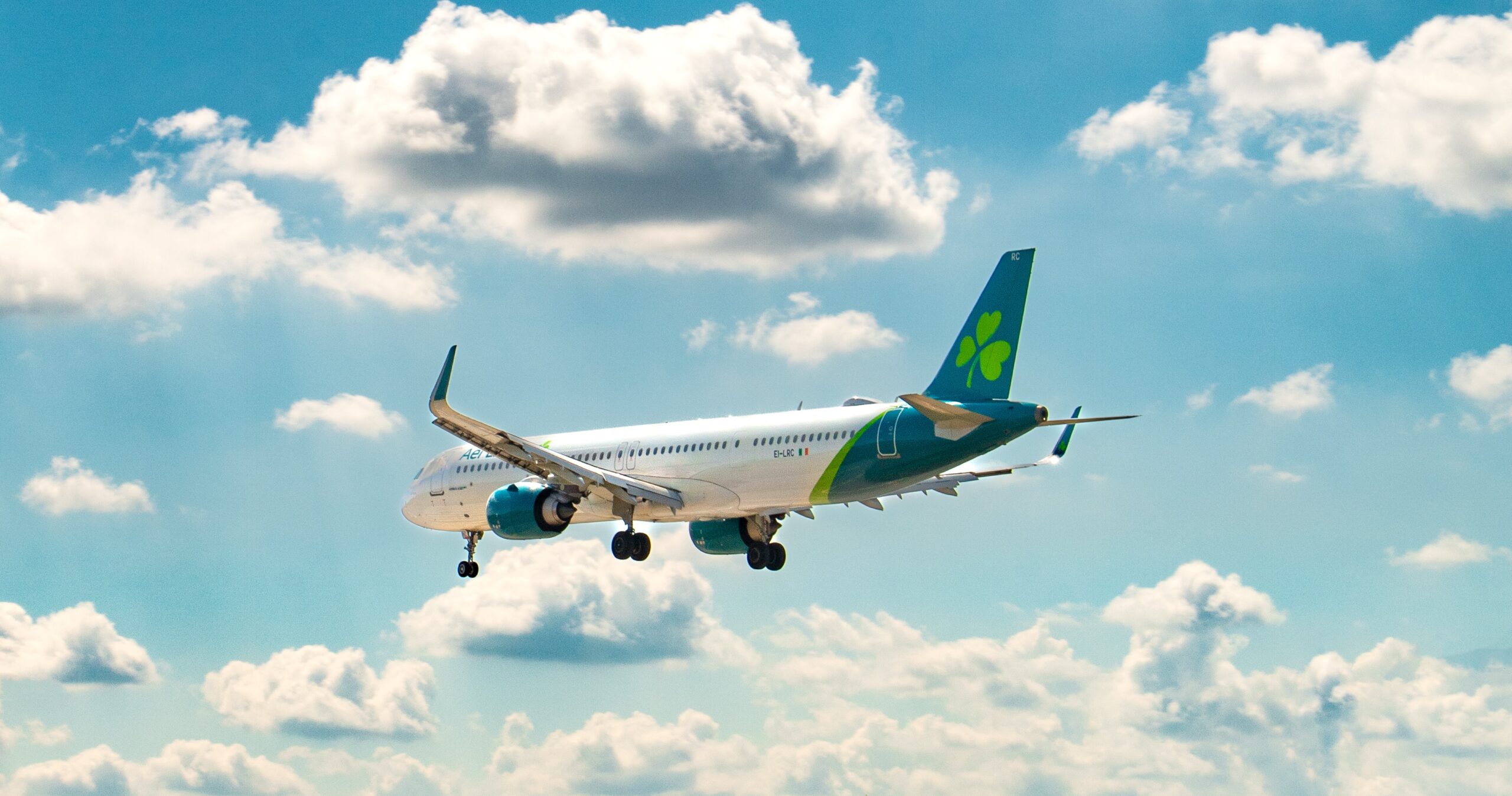
    Aer Lingus surprised absolutely nobody by announcing the termination of its codeshare agreement with United Airlines. The implications of this move are far-reaching, especially for United MileagePlus members who will no longer be able to earn points by flying with Aer Lingus. But the ripples of this decision extend further, with implications for the Oneworld alliance and the transatlantic partnership landscape.

    Previously, British Airways Executive Club members could earn miles when flying on United, but it involved a convoluted points transfer process that involved earning Avios through Aer Lingus, and then transferring them 1:1 to BA. It’s worth noting that British Airways and United Airlines belong to different alliances – BA is a member of Oneworld, while UA is part of Star Alliance.

    In the wake of Aer Lingus ending its codeshare agreement with United, one thing is abundantly clear – American Airlines emerges as the victor in this scenario. With American becoming their sole US partner, the alignment between these two airlines strengthens, offering more travel opportunities and rewards for passengers. This comes the airlines began codesharing just last year, fueling speculation that the United partnership might come to an end. It’s a win-win for American Airlines and its loyal customers, but a loss for United loyalists.

    Interestingly, under the current arrangement, United members have been able to redeem their miles on Aer Lingus, but AA members have not. It’s unclear if this move will pave the way for AAdvantage members to redeem miles for Aer Lingus flights, or perhaps something much bigger…

    Beyond this immediate consequence, the question that lingers in the minds of industry observers is whether Aer Lingus is positioning itself for a return to the Oneworld alliance. This is not an unfounded thought; Aer Lingus was once a member of Oneworld before it parted ways in 2007, and has retained strong connections to the alliance, despite being officially neutral. A rumor circulating on FlyerTalk earlier this year suggested that Aer Lingus might be considering a return, with a potential rejoining date of Q2 2025.

    Aer Lingus has always been something of an oddball in the airline world. It’s the only full-service airline within the International Airlines Group (IAG) umbrella that isn’t a member of any alliance, let alone Oneworld. Given that IAG’s other legacy carriers, such as British Airways and Iberia, are longtime Oneworld members, it’s easy to see why many are speculating that Aer Lingus’s return to the fold might be in the cards. After all, it would make sense in terms of ownership and alignment.

    The termination of the United codeshare is just one piece of this complex puzzle. As the airline industry continues to evolve and adapt to changing market dynamics, it’s anyone’s guess what the future holds for Aer Lingus. Will they make the leap back into Oneworld, rekindling old alliances and forging new partnerships? Only time will tell, but for now, we can certainly keep our eyes on this intriguing development in the world of aviation.