Tag: safety

  • Alaska 1282: A Wake-Up Call on the 737 MAX 9

    Alaska 1282: A Wake-Up Call on the 737 MAX 9

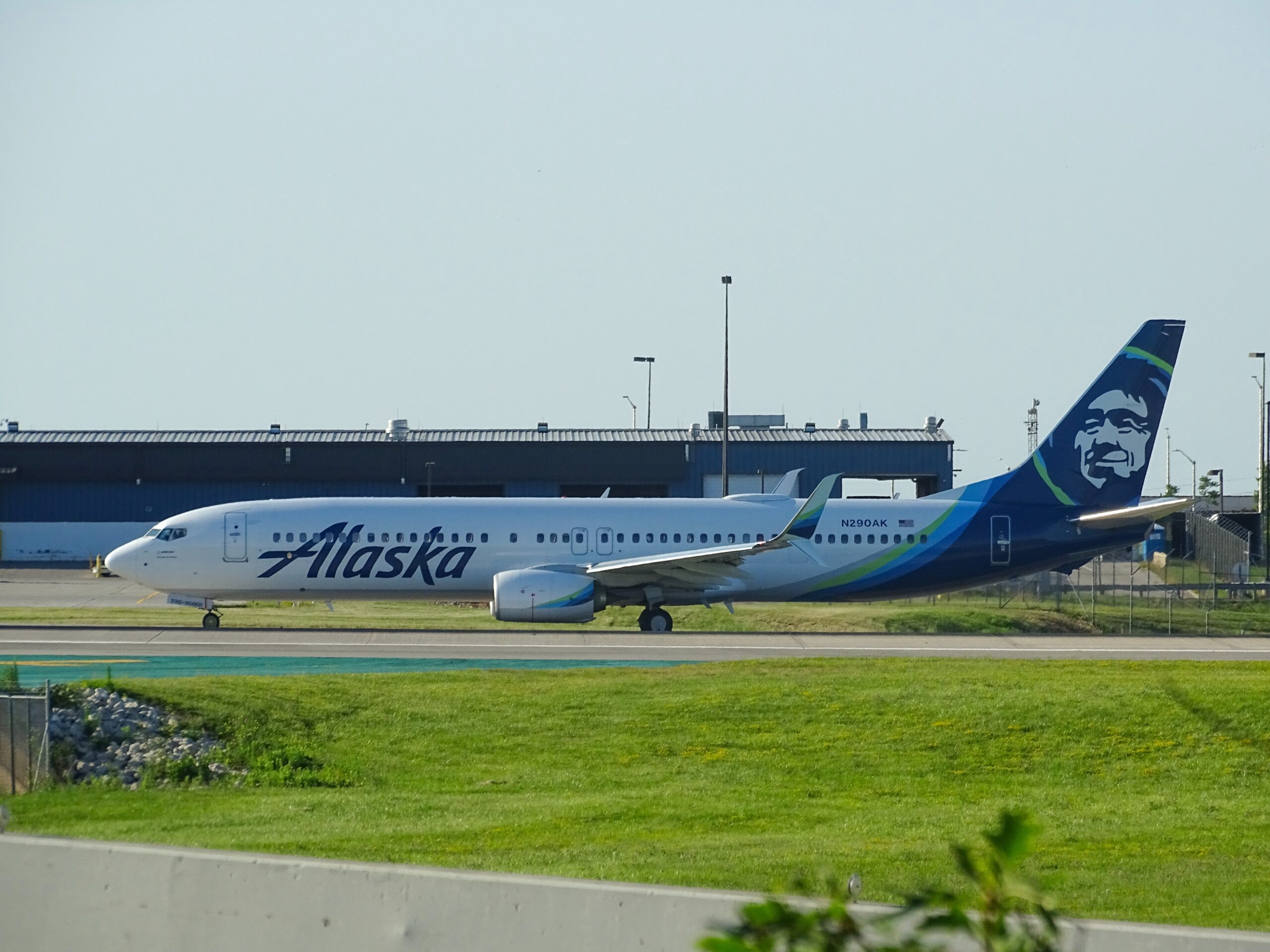
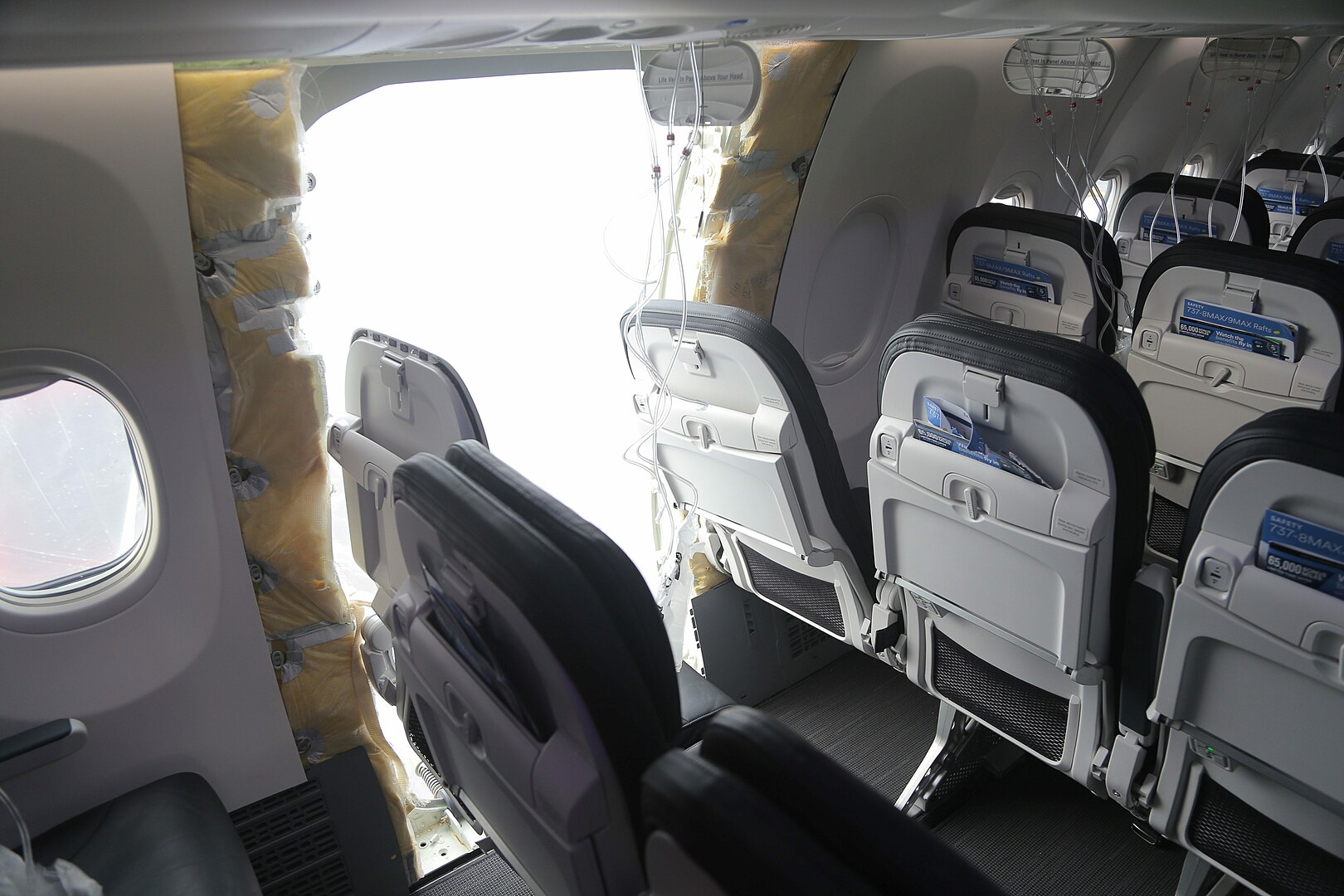
    On January 6, 2024, Alaska Airlines flight 1282, a Boeing 737 MAX 9, was en route from Portland (PDX) to Ontario, CA (ONT) when it experienced a cabin depressurization event involving a piece of the airplane falling off mid-flight. The pilots declared an emergency and diverted back to Portland, where they landed safely. Miraculously, no injuries were reported among the 153 passengers and crew on board.

    The cause of the incident was linked to a faulty door plug on the aircraft’s left side. The door plugs are used to seal openings that might otherwise be used for an aft emergency exit in denser seating configurations, where an additional set of exits would be required. No US carriers currently operate the MAX 9 in a dense enough configuration to need that emergency exit, so these so-called “plugs” semi-permanently seal that opening, leaving open the possibility of reconfiguring the aircraft in the future (perhaps if sold to a low-cost carrier in another country).

    Most cabin doors on modern commercial airliners are a “plug” or wedge shape – a convex shape with the interior side wider than the exterior side. This makes it impossible for the door to fit through the opening, distributes the stress of cabin pressurization more evenly, and makes the door impossible to open inflight. However, diagrams that have been released and findings from rival airlines suggest door plugs on the MAX 9 are not designed this way, but instead place the stress on a series of bolts. Preliminary reporting is suggesting perhaps failure of one or more bolts led to the AS1282 incident. This raises the question: are these “door plugs” actually “plugs” in the true sense of the word? Could Boeing potentially remedy this issue by implementing something more closely resembling a conventional plug-type exit door?

    The incident also comes amid a series of inspections by multiple airlines that have found “loose bolts” on many 737 MAX 9s. According to the FAA, the issue affects about 300 aircraft worldwide, and requires a “detailed visual inspection” of the door plugs and bolts. The FAA also issued an airworthiness directive on January 8, 2024, mandating the inspections within 10 days.

    After Alaska initially grounded their 737 MAX 9s, they promised to quickly return the planes to service after inspecting each one individually. However, the FAA quickly poured cold water on Alaska’s plans, grounding the MAX 9 nationwide. In fact, by the time the FAA issued their order, Alaska had already returned several MAX 9s to passenger service; those had to be subsequently pulled again. I have to wonder if this was purely a performative measure to placate the flying public. At this stage, did Alaska even know what they were looking for? Frankly, I’m still not sure they know what to look for, though issues with bolts may be a good start.

    The AS1282 incident is another blow to Boeing, which has been struggling to restore confidence in its 737 MAX family after two fatal crashes in 2018 and 2019 that killed 346 people. The MAX was grounded for 20 months before being allowed to fly again in late 2020, after Boeing made several changes to the software and hardware of the aircraft.

    Boeing employees are also calling out CEO Dave Calhoun amid the company’s recent HQ move from Chicago to DC. Many employees feel that HQ should be in Renton (or, at least, the greater Seattle area), where Boeing’s main factory is located, rather than across the country from the bread and butter of its core business. While there are many questions as to the difference in quality between Renton-produced and South Carolina-made Boeing aircraft, N704AL, the airframe involved in the AS1282 incident, was in fact produced in Renton, being delivered to Alaska just this past October.

    Bottom line on the 737 MAX series: It’s going to be incredibly difficult for Boeing to regain public trust now. Previous issues with the MAX series, including the Lion Air incident, were attributed to the planes being flown in developing countries with more lax safety regulations and less-experienced pilots. Now this has happened on US soil, on a US carrier, that excuse no longer flies.

  • Stowaway Solutions: Should Southwest Take Notes From SWISS?

    Stowaway Solutions: Should Southwest Take Notes From SWISS?

    SWISS International Airlines is stepping into the future with plans to automate passenger counting using artificial intelligence (AI). The airline’s move to replace manual headcounts with AI-driven cameras aims to enhance efficiency during boarding. Now, the question arises: Should a certain Dallas-based low-cost carrier be taking notes from SWISS?

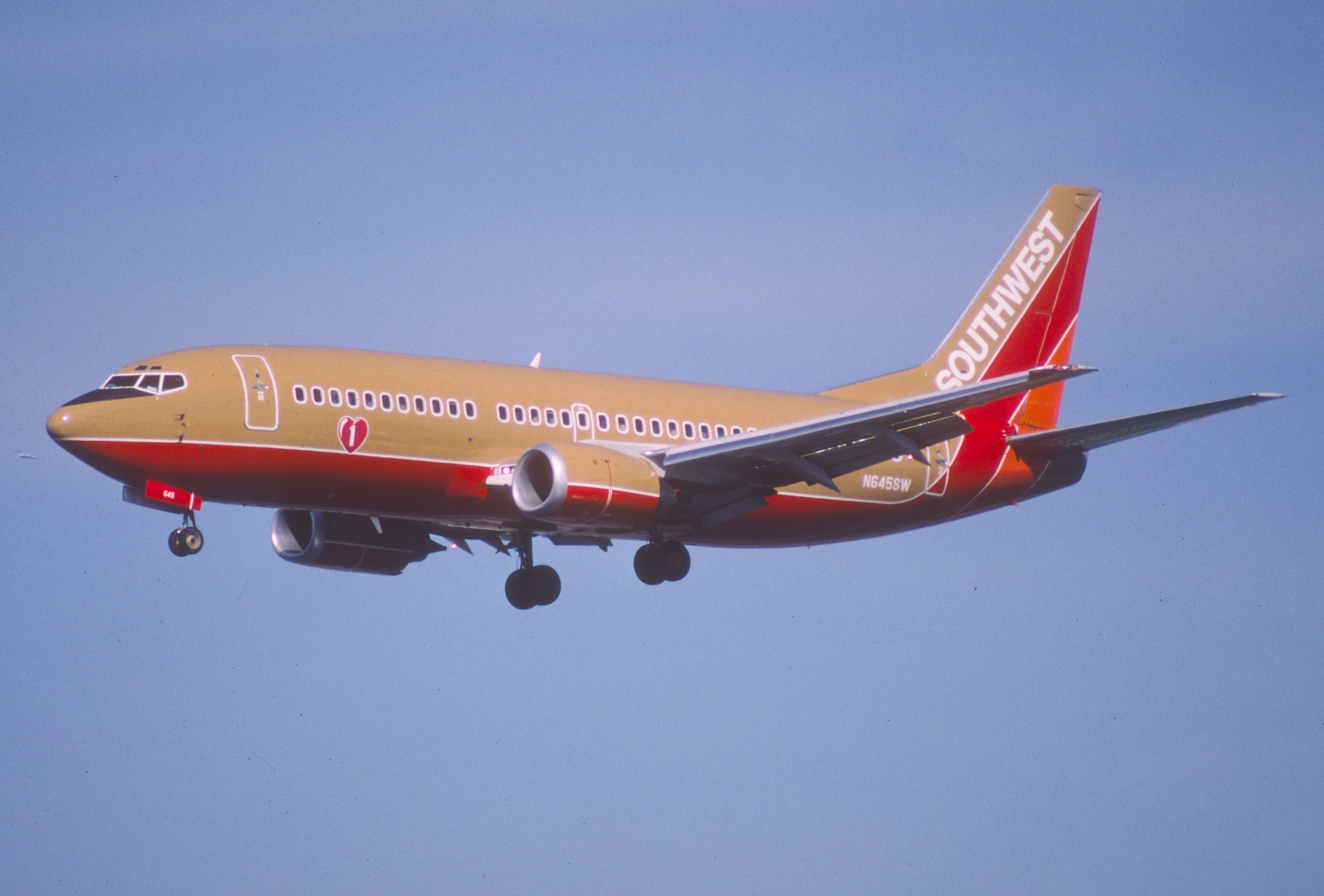
    Southwest has had well more than its fair share of stowaway incidents. In one case last September, a mystery passenger infiltrated a flight to New Orleans (MSY), only being discovered due to a fully occupied flight leaving more passengers than available seats. In September, I wrote about the potential stowaway I encountered at TUL, making me question if this is happening way more often than is being reported.

    TSA’s role primarily involves screening for prohibited items and ensuring individuals on the no-fly list don’t enter the sterile area. They don’t care where you go once you’re past the checkpoint (as long as you stay out of restricted areas). The responsibility of guarding the jet bridge door falls squarely on the airlines. Southwest seems to be falling short in this regard. There are several ways someone could (legally & legitimately) enter the sterile area to try this. You could buy a fully refundable ticket and cancel once beyond the TSA checkpoint (or just no-show if you don’t care about losing your money). You could arrive on a domestic flight. Or, at a growing number of US airports, you can obtain a gate pass simply by asking, for any reason (or none at all).

    Enter SWISS, pioneering the use of AI to automate passenger counting during boarding. The system, developed by Berlin-based startup Vion AI, utilizes cameras to accurately record the number of people boarding the plane. SWISS anticipates that this technological leap will streamline the boarding process, making it faster and more efficient. The airline asserts that all data will be handled in compliance with stringent European and Swiss data protection regulations (GDPR, anyone?).

    While SWISS is investing in cutting-edge technology, Southwest might want to consider whether it’s time to implement similar measures as part of a comprehensive set of checks and balances. Alternatively, Southwest could just, you know, train their employees to do their jobs, ensuring gate agents effectively monitor the boarding process.

    As SWISS takes a major step into the digital future, Southwest may need to reassess its approach to passenger security and boarding procedures. I disagree with the prognosticators saying that AI will upend everything, but there are a ton of opportunities to use AI to simultaneously secure our skies while actually improving passenger experience.

    h/t Paddle Your Own Kanoo

  • Right to jAAil? Kids Allegedly Left Overnight in “Jail-Like” Room at CLT

    Right to jAAil? Kids Allegedly Left Overnight in “Jail-Like” Room at CLT

    A recent incident reported in the New York Post involving American Airlines has stirred outrage and allegations as a Florida mother, Amber Vencill, took legal action against the airline, claiming they mishandled the travel of her two young sons. According to a lawsuit filed on October 31, Vencill’s 10- and 12-year-old sons, identified as RV and JV in court documents, were left in distressing conditions after their flight got canceled while they were using the airline’s unaccompanied minor service.

    Originally scheduled to fly from Missouri to upstate New York with a layover in Charlotte, the boys found themselves in a bewildering situation as their flight faced delays and ultimately cancellation. This unexpected turn left Vencill’s partner, identified as Ted, with a concerning message from the airline, assuring the children would be placed in a “nice room for unaccompanied minors,” equipped with beds and a private bathroom.

    Unfortunately, the actual experience the children faced sharply contrasted with the promised arrangements. The lawsuit alleges that the kids were left stranded without access to basic necessities—no food, water, blankets, or pillows. The supposed ‘nice room’ ended up being described as resembling a “jail cell,” with the children enduring a chilly environment and sleeping under bright lights on a sofa throughout the night. Hopefully this room wasn’t infested with mold like the Admiral’s Club is.

    Vencill’s attempts to reach her sons and acquire accurate information about their whereabouts hit a dead end initially. Hours of distress passed until a staff member at Charlotte’s Douglas International Airport (CLT) finally connected her to one of the children. The heart-wrenching revelation made by the child indicated a dire situation where they hadn’t consumed any food or drink since the previous night, not even the usual airline pretzels and Biscoff.

    It was only through the intervention of a non-AA employee (likely an employee of the airport or the City of Charlotte) that the children received some much-needed sustenance before finally boarding a flight to Syracuse, where they were reunited with Ted.

    In response to Vencill’s distressing ordeal, the airline apologized and refunded the fee charged for the unaccompanied minor service. However, the apology and reimbursement appeared to offer little solace for the significant trauma experienced by Vencill and her children.

    The lawsuit argues that the airline’s conduct was not just a mere mistake but exhibited recklessness, carelessness, and negligence, alleging a breach of the airline’s own policies and procedures. Despite claiming a commitment to ensuring the safety and well-being of unaccompanied minors, American Airlines faced severe criticism for what Vencill’s attorney, David Jaroslawicz, described as a “callous disregard” for the children’s welfare.

    As the legal proceedings unfold, Vencill seeks unspecified damages, highlighting the distress and trauma caused by the airline’s alleged mishandling of the situation. The lack of a thorough investigation or an earnest attempt to prevent such incidents in the future has intensified the concerns raised by the lawsuit.

    American Airlines, in response to these allegations, expressed its commitment to the safety and comfort of its customers, including unaccompanied minors, mentioning that they are in direct communication with Vencill and are reviewing the lawsuit’s details.

    As many as 7 million children travel using UM programs each year in the US alone. Out of 7 million, you expect a misstep or two. However, locking these kids in a room without basic necessities seems to rise to a new level. Hopefully AA will conduct a comprehensive review of their UM protocols.

  • AI-Powered Employee Screening Trialed at DEN: Should it be Piloted for PreCheck Passengers, Too?

    AI-Powered Employee Screening Trialed at DEN: Should it be Piloted for PreCheck Passengers, Too?

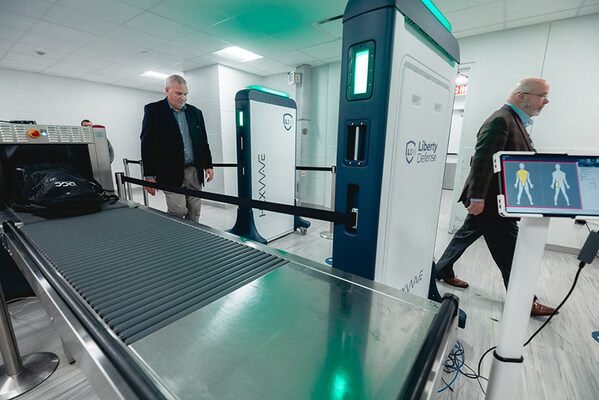
    Denver International Airport (DEN) is stepping into the future of airport security, announcing a trial run of the HEXWAVE system for employee screening. Developed by Canadian company Liberty Defense Holdings Ltd., this cutting-edge technology integrates AI, millimeter wave technology (similar to what’s currently used in the Leidos full-body scanners for non-PreCheck passengers), and advanced 3D imaging to detect both metallic and non-metallic threats without requiring individuals to remove common items like phones or keys. The trial will take place at the south employee checkpoint in the Great Hall, and marks a significant shift in aviation worker screening, who traditionally are only pulled aside for screening at random under the Known Crewmember (KCM) program.

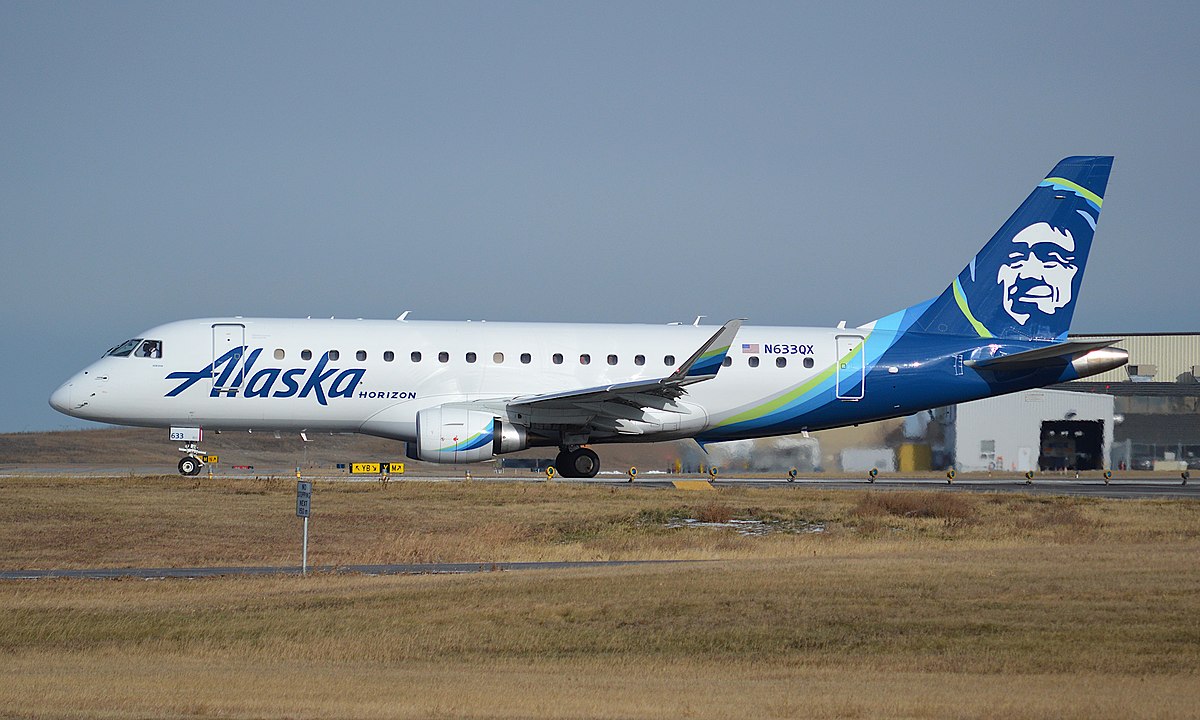
    This initiative comes amid a broader reassessment of the KCM program, and several recent disturbing incidents involving crew members. These incidents, notably the alarming attempt by an off-duty Alaska Airlines pilot to bring down a Horizon Air E175 midflight and a Delta pilot brandishing a gun during a disagreement over a medical diversion, have raised critical questions about the effectiveness of security procedures pertaining to crew members. Admittedly, these portals likely wouldn’t have done much to stop either incident; the Delta pilot was authorized to carry a weapon on board under the voluntary Federal Flight Deck Officer (FFDO) scheme – one we expect will be closely looked at over the coming weeks and months.

    While details of the specifics of the pilot program are, of course, under wraps, it’s likely we’ll see this technology used to pivot from random screenings of crew to consistently (but efficiently) screening them upon every entry. While obviously crew are in control of the aircraft whether they possess a weapon or not, this could prevent a scenario where a threat actor enlists an airline employee as an accomplice to smuggle something into the sterile area, handing it over post-security.

    While the introduction of these advanced detection portals is poised to potentially revolutionize airport security, their impact on crew members, if implemented more widely, is expected to be minimal. Comparable to the Evolv Express platform used at Walt Disney World, these AI-based detection systems offer efficient screening without the need to stop moving, line up single-file, or divest personal items. The only time there’s a need to stop is if a potential threat is identified, at which point the individual in question is pulled aside by nearby officers; otherwise, you pretty much get waved through.

    https://youtu.be/ZEt_-ak2YQI
    The Evolv Express platform, currently used by Disney, is comparable to the HEXWAVE system being trialled at DEN. While filled with marketing speak, this provides a pretty good idea of how it works.

    Currently, this screening technology is solely for workers. However, it begs the question if these portals could potentially one day be extended to TSA PreCheck passengers – which would be a win-win for both safety and passenger experience. It could enhance safety by effectively detecting non-metallic weapons such as those produced by 3D printers, which conventional magnetometers struggle to identify. Moreover, it promises a smoother, faster screening process for passengers, eliminating the hassle of removing personal items and even small bags. If that were implemented, all they’d need to do to significantly increase throughput would be to do something about those horrendously slow Analogic CT scanners (maybe the technology will reach a point where conveyor-based systems are rendered obsolete altogether?).

    The trial at Denver International Airport presents a glimpse into the future of airport security. While it may not directly address all the concerns surrounding recent crew incidents, the implementation of such innovative technology could potentially reshape the landscape of airport security for both employees and passengers alike.

  • Delta Pilot Allegedly Pulled Gun on Captain, Threatened to Shoot

    Delta Pilot Allegedly Pulled Gun on Captain, Threatened to Shoot

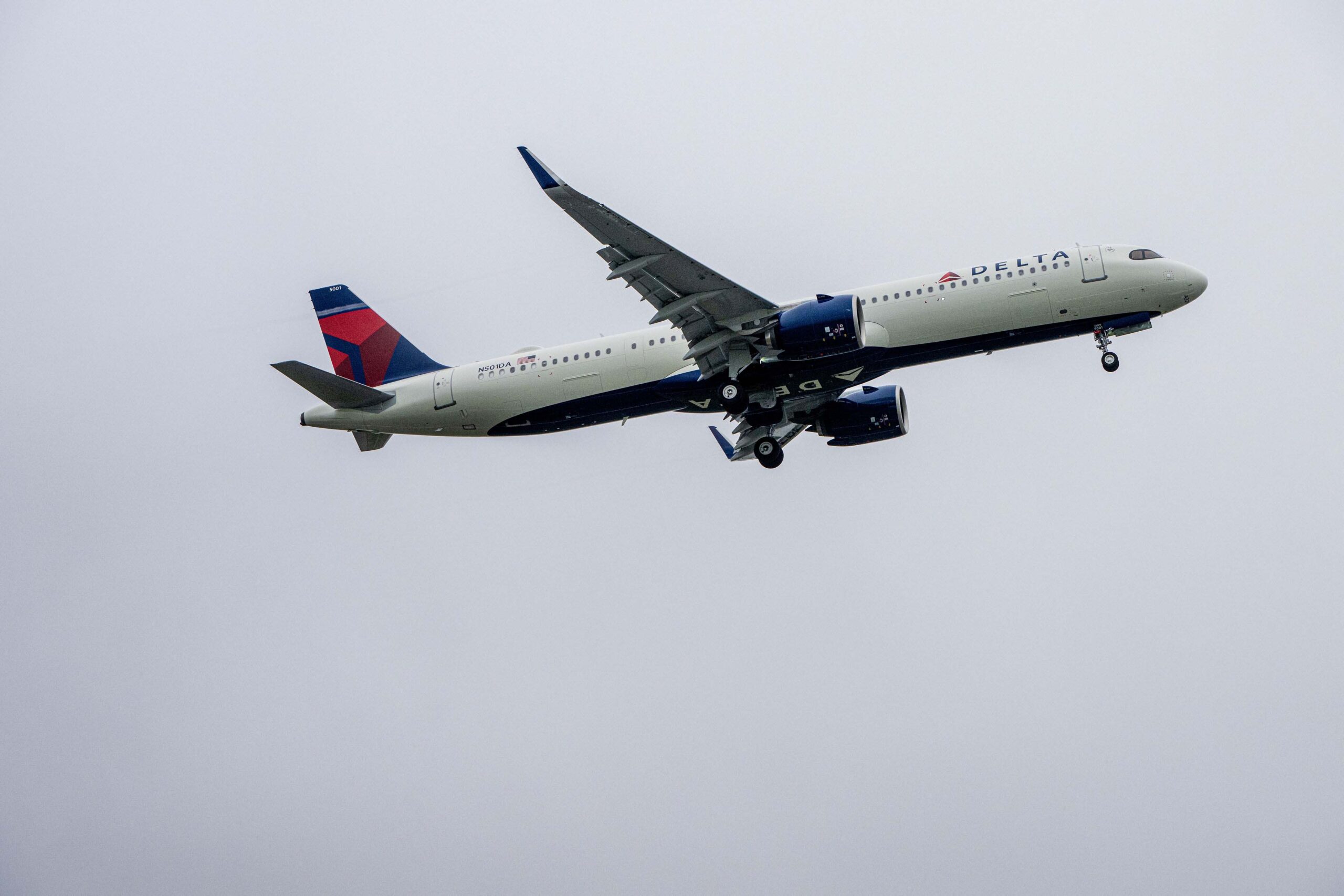
    In a shocking incident that took place in August 2022, reported in a recent grand jury indictment uncovered by the AP, a pilot, Jonathan J. Dunn, who was a participant in the Transportation Security Administration’s Federal Flight Deck Officer (FFDO) program, has been indicted for allegedly threatening to shoot the plane’s captain if the flight was diverted due to a passenger requiring medical attention.

    Dunn, who had previously been authorized to carry a firearm on board as part of the TSA FFDO program, now finds himself expelled from this program and facing serious legal consequences. His employment with Delta Air Lines has also, of course, been terminated.

    The dispute arose over the potential diversion of the flight because of a passenger’s medical emergency. Dunn reportedly threatened the captain with multiple gunshots if the flight was diverted.

    The details surrounding the incident, including the airline, flight route, and whether the diversion eventually occurred, remain undisclosed. The Transportation Department’s inspector general’s office is working alongside the FBI and the Federal Aviation Administration to investigate this alarming case.

    Dunn’s indictment, issued by a grand jury in Utah, alleges that he “did use a dangerous weapon in assaulting and intimidating the crew member,” a felony that carries a maximum penalty of 20 years in prison. An arraignment for Dunn is scheduled for November 16.

    This disturbing revelation comes just days after an off-duty pilot in the jumpseat attempted to shut down the engines of a Horizon Air jet midflight. Joseph David Emerson, an Alaska Airlines pilot, cited depression and psychedelic mushrooms use as contributing factors. This incident raises questions about the screening processes for pilots, as they are primarily reliant on self-disclosure during medical exams. Trustworthiness and mental health assessments are vital, as even a perceived issue can have serious consequences in the airline industry. Passengers have to be able to trust the people flying the airplane beyond any reasonable doubt.

    It will be interesting to see if new security measures are implemented as a result of these incidents. While this particular incident took place over a year ago, the timing of this revelation coming so soon after the Horizon 2059 incident is sure to raise some eyebrows among Federal officials and the traveling public. Jumpseats are a critical piece of the airline logistics puzzle, helping crew members reposition and commute to work. Meanwhile, absent having air marshals present on most flights – just like one of many measures El Al takes to protect passengers, the FFDO program theoretically sounds like a great idea – pilots are already (again, in theory) subject to a high degree of vetting, so why not deputize them?

    Following these incidents, however, I could see Uncle Sam taking a very close look at just how much trust we’re blindly placing in our airline crews. Of course, the overwhelming majority of airline crew members in the US are trained, trustworthy professionals who just want to get you from point A to point B safely. And those who do it right, who dedicate their careers to our safety, deserve our respect. However, as they say, a few bad apples spoil the bunch – and given lives are at stake here, I could see a re-evaluation of protocols taking place over the coming months. In fact, we already see Known Crewmember (KCM) protocols being revisited, with DEN piloting new screening technology for crew.

    The incident involving Dunn and the recent Horizon incident underscore the importance of ensuring the mental and emotional well-being of those responsible for flying commercial aircraft. Maintaining the highest standards of trust and mental health screening is critical to guaranteeing passenger safety and the smooth operation of our airline industry.

  • Alaska Pilot Experimented with Psychedelic Shrooms Leading Up to Horizon 2059 Incident

    Alaska Pilot Experimented with Psychedelic Shrooms Leading Up to Horizon 2059 Incident

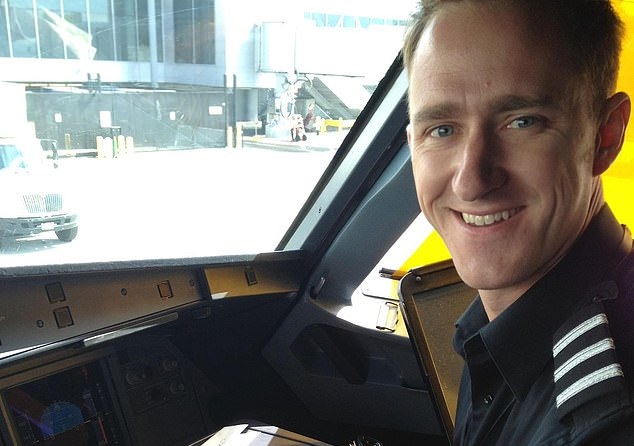
    In an alarming incident that unfolded on Sunday, October 22, 2023, aboard Horizon Airlines Flight 2059, we learned that an off-duty pilot by the name of Joseph David Emerson caused quite a commotion on the plane. This incident was no ordinary inflight disturbance, as Emerson attempted to shut down both engines mid-air in an apparent attempt to crash the Embraer E175 carrying 84 passengers and crew.

    The recently released probable cause affidavit, filed by Special Agent TaPara Simmons Jr. of the FBI and obtained by NPR, sheds light on the events that transpired. Emerson, who was sitting in the cockpit jump seat, took actions that left the crew and passengers in a state of shock.

    As the flight was en route to Portland International Airport, approximately halfway between Astoria, Oregon and Portland, Emerson made his unsettling move. He reached up and grabbed the red fire handles, which, if fully activated, would shut down the aircraft’s engines, essentially turning it into a glider. This audacious action prompted both pilots to intervene. They struggled with Emerson, ultimately preventing him from causing catastrophic consequences.

    What’s truly astonishing is that Emerson, who claimed to have been with the airline for ten years, seemed perfectly normal during the early stages of the flight. He engaged in casual conversation with the pilots and even talked about aircraft. However, somewhere along the way, he declared, “I’m not okay” and attempted to shut down the engines.

    The flight attendants also had their hands full, with Emerson’s behavior causing further alarm. They received a call from the cockpit and were told that Emerson was “losing it.” Upon leaving the cockpit, Emerson apparently attempted to open the emergency exit – a feat which isn’t possible at cruising altitude. He was eventually secured, handcuffed (which he actually asked for!), and seated at the back of the aircraft. Emerson continued to make concerning statements during the flight, admitting to endangering the lives of 84 people on board, including his own.

    Emerson’s post-incident interview with law enforcement revealed that he believed he was having a “nervous breakdown” and had not slept in 40 hours. He mentioned feeling dehydrated and tired. Emerson also revealed that this incident occurred after his experimentation with psychedelic mushrooms, although he denied taking any other medication.

    In light of these events, Special Agent TaPara Simmons Jr. submitted an affidavit seeking a criminal complaint and an arrest warrant for Emerson, charging him with “Interference with Flight Crew Members and Attendants” under Title 49 U.S.C. § 46504. This charge carries a potential penalty of a fine, imprisonment for up to 20 years, or both.

    The document leaves us with many questions, primarily concerning the potential consequences of drug use in the airline industry and the need for improved mental health support for airline personnel. In the end, while these are important discussions to have, there’s never an excuse to endanger 84 innocent lives. While this is a sad story for all involved, Emerson must still be held accountable for his actions and brought to justice.

  • Shocking Midflight Engine Shutdown Attempt: New Details Emerge

    Shocking Midflight Engine Shutdown Attempt: New Details Emerge

    In our previous report, we reported on a shocking incident that unfolded on Horizon Air Flight 2059, a regional carrier for Alaska, during its journey from Everett (PAE) to San Francisco (SFO). An off-duty pilot, Joseph David Emerson, seated in the jumpseat, allegedly attempted to shut off the engines mid-flight. The plane, an Embraer E175, was ultimately diverted to Portland International Airport (PDX), where Emerson was apprehended by law enforcement. The incident led to a laundry list of charges, including 83 felony counts of attempted murder, 83 misdemeanor counts of reckless endangerment, and 1 felony count of endangering an aircraft.

    Now, new details have emerged, shedding light on the harrowing events that took place on that fateful flight.

    The FAA’s Chilling Notice

    An FAA notice distributed to all U.S. airlines through its Domestic Events Network classified this as a “significant security event.” It disclosed that the “jump seat passenger” had attempted to disable the aircraft engines while the plane was at cruise altitude. This attempt was made by deploying the engine fire suppression system.

    In the Embraer E175, the fire handles, which are critical for controlling the engines, are located above the pilots on the ceiling. Pulling down the handle is a simple yet effective way to shut off fuel to the affected engine, quite literally halting the addition of fuel to the fire. This action, however, results in the engine’s immediate shutdown due to the lack of fuel supply. Rotating the handle after it’s pulled down activates two redundant fire suppression canisters; left for canister “A” and right for canister “B.”

    Alaska Air spokesperson Alexa Rudin revealed that, thankfully, some residual fuel remained in the line. The quick response of the flight crew, who reset the handles and restored fuel flow, averted a catastrophic fuel starvation.

    During the incident, the pilot flying the plane relayed a calm but chilling message to Portland air traffic control. “I’ll just give you a heads-up. We’ve got the guy that tried to shut the engines down out of the cockpit,” the pilot stated. “It doesn’t seem like he’s causing any issue at the back. I think he’s subdued.”

    From Level 4 Threat to Handcuffs

    As the plane approached Portland for its final landing, the air traffic controller sought verification of the threat level. The pilot flying responded, designating it as a “Level 4” threat, indicating a “breach of the flight crew compartment.” However, the situation evolved rapidly, with the pilot adding, “The threat is now in the back of the airplane, so we’ve reduced the threat level.”

    The crew, after a check-in with the flight attendants, informed air traffic control that the individual who had attempted to shut down the engines was “handcuffed and he’s in the aft back jumpseat for when law enforcement arrives, and right now he’s staying calm.” This “aft back jumpseat” is typically used by a flight attendant during landing.

    A Heroic Response

    Under the Federal Flight Deck Officer program, the Transportation Security Administration (TSA) deputizes qualified volunteer pilots as law enforcement officers to defend the flight deck of aircraft against acts of criminal violence and air piracy. This completely voluntary program, upon completion of specialized training, allows deputized pilots to carry a concealed handgun in order to protect their passengers. It’s currently unclear whether either of the pilots on this flight had such training or if they were carrying concealed weapons, but they certainly acted heroically to prevent a potentially catastrophic outcome.

    In a statement, the FBI assured the public that there is no ongoing threat related to this incident, while the FAA pledged its full support to law enforcement investigations.

    As the investigation unfolds, stay tuned for further updates as more details emerge.

    h/t Seattle Times

  • Unthinkable Mid-Flight Scare: Pilot’s Attempt to Shut Down Engines Leads to 83 Counts of Attempted Murder

    Unthinkable Mid-Flight Scare: Pilot’s Attempt to Shut Down Engines Leads to 83 Counts of Attempted Murder

    YIKES! It’s not every day you hear about a pilot attempting something as harrowing as shutting down the engines mid-flight. But that’s exactly what happened on Horizon Air flight 2059 (a regional carrier for Alaska), flying from Everett (PAE) to San Francisco (SFO) with an Embraer E175. In an alarming turn of events, an off-duty pilot, Joseph David Emerson, found himself in the jump seat, that seat inside the cockpit reserved for deadheading crew or other authorized individuals.

    Emerson allegedly made a run for the engine shutoffs in an apparent attempt to crash the aircraft with everyone on board. Luckily, the flight ended up diverting safely to Portland International Airport (PDX), and the situation was brought under control. It’s unclear who subdued Emerson, but given that the cockpit door is locked from the inside, it’s likely the on-duty captain and first officer played a crucial role in containing the situation.

    If you’re curious to hear just how it went down, there’s an audio recording available on LiveATC. At 10:56 on the recording, you can hear the captain notifying air traffic controllers that the pilot in question had been subdued and was now located in the back of the aircraft. They also requested law enforcement to meet the flight upon landing.

    Upon landing, Emerson was promptly arrested, and the charges against him are nothing short of jaw-dropping. According to the Multnomah County Sheriff’s Office website, he’s facing a laundry list of legal troubles:

    • 83 felony counts of attempted murder
    • 83 misdemeanor counts of reckless endangerment
    • 1 felony count of endangering an aircraft

    Alaska Air Group issued a statement, thanking their crew for professionally handling the situation. They also expressed their appreciation for their passengers’ calm and patience throughout the event. Kudos to the crew for keeping their cool during this extremely tense situation.

    The crew secured the aircraft without incident. All passengers on board were able to travel on a later flight. We are grateful for the professional handling of the situation by the Horizon flight crew and appreciate our guests’ calm and patience throughout this event.

    Statement by Alaska Air Group

    This incident underscores the critical importance of ensuring that those with cockpit access are trustworthy beyond reproach, and there’s not even an appearance of a doubt as to their trustworthiness and professionalism. Will this alarming episode prompt changes in the industry to prevent similar incidents in the future? It’s a question worth pondering.

    One possible outcome could be the Federal Aviation Administration (FAA) reevaluating the use of jump seats and perhaps even banning nonessential personnel from occupying them. This, however, would likely require airlines to remove one seat from their inventory on all future flights, potentially resulting in some involuntary rebookings for passengers who already had their tickets. And let’s face it, this could lead to a rise in airfares – but safety is the #1 concern, always.

    In the wake of such a shocking event, we can only hope for a thorough review of security measures and procedures to ensure the safety and trustworthiness of those entrusted with the lives of passengers. After all, the skies should remain the last place we expect such chilling surprises.

    h/t Running with Miles, KATU Channel 2

  • Breaking: JetBlue A321 Tips Backward at JFK

    Breaking: JetBlue A321 Tips Backward at JFK

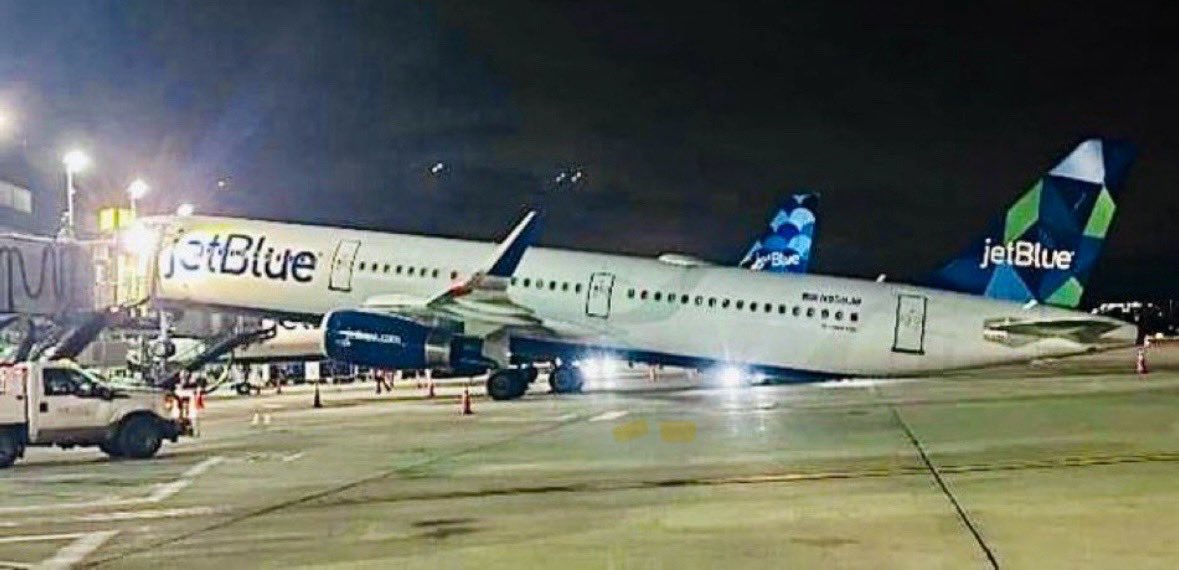
    Just in, a surprising incident at JFK airport has caught the attention of aviation enthusiasts and travelers alike. Thanks to @xJonNYC, we’ve got a glimpse of the startling situation. Here’s what we know so far.

    Aircraft Information: The aircraft in question appears to be a JetBlue Airways Airbus A321, with the tail number N959JB. It had recently arrived from Bridgetown, Barbados (BGI).

    The Incident: What makes this situation intriguing is that the aircraft appears to have tipped backward while at the gate. This type of incident is relatively rare, and is sure to raise questions about what caused it. One possibility is that the center of gravity shifted to the aft, causing the aircraft to tilt. While the A321 rarely tips backwards like this, this issue is significantly more common with the Boeing 737-900, prompting the use of tail stands to prevent an incident like this.

    Passenger Situation: As of now, it’s unclear whether passengers were still on board the aircraft or if deboarding was in progress at the time of the incident. Fortunately, it doesn’t sound like there were any reported injuries, but we’ll have to wait for more information to confirm for sure.

    Ongoing Investigation: Many details surrounding this incident remain unclear, and it’s essential to exercise caution before jumping to conclusions. The FAA will undoubtedly conduct a thorough investigation to determine the cause and prevent such occurrences in the future.

    Stay tuned for updates on this intriguing event.