Tag: security

  • Can Your Family Cost You Your Global Entry Membership?

    Can Your Family Cost You Your Global Entry Membership?

    Global Entry is one of the best travel perks money can buy (and that assumes you don’t have a credit card that will reimburse you for it!). It allows you to breeze through immigration and customs when returning to the U.S. from abroad, and it also includes TSA PreCheck, which lets you skip the long security lines at the airport.

    But what if you have a family member who is not so squeaky clean? Can their criminal record or immigration status affect your Global Entry membership?

    The answer is yes, it can. According to the U.S. Customs and Border Protection (CBP) website, Global Entry eligibility is determined on a case-by-case basis and may be denied or revoked for various reasons, including:

    • Providing false or incomplete information on the application.
    • Having a criminal history or being the subject of an investigation by any federal, state, or local law enforcement agency.
    • Having a record of customs, immigration, or agriculture violations or penalties.
    • Being inadmissible to the U.S. under immigration regulations, including applicants with approved waivers of inadmissibility or parole documentation.
    • Being unable to satisfy CBP of your low-risk status.

    That last part is very subjective and open-ended, and that’s a feature, not a bug. If CBP or DHS finds anything that casts any shadow of a doubt that you’re extremely low-risk, they can refuse, non-renew, or even revoke your membership. This means that if you have a family member who has any of these issues, they may not be able to join Global Entry themselves, and they may also jeopardize your own membership if you are associated with them.

    For example, if you live at the same address as a family member who has a criminal history or an immigration violation, CBP may flag your application or revoke your membership after a periodic review. Generally, outside of authoritarian regimes, the very notion of collectively punishing an entire family for the actions of their kin is unthinkable. However, trusted traveler programs are a privilege, not a right, and may be revoked at any time, for pretty much any reason – so the loss of GE privileges may very well be a punishment a family must suffer collectively.

    There have been reports of people who have had their Global Entry memberships revoked or denied because of their family members’ actions, such as:

    • A woman who had her Global Entry revoked because her husband was arrested for drug trafficking.
    • A man who had his Global Entry denied because his brother was on a terrorist watch list.
    • A couple who had their Global Entry revoked because their son was arrested for DUI.

    Sometimes the revocation is triggered when the family member in question applies for Global Entry themselves. Reddit user XxTOHMExX posted such a cautionary tale on /r/GlobalEntry:

    Another unlucky member of /r/GlobalEntry had their GE membership revoked after their wife was involved in some kind of unspecified customs violation. While we can’t help but think there’s more to the story here, what is clear is his wife’s actions while he wasn’t present were enough to get his membership pulled.

    Of course, these are extreme cases, and CBP does not automatically disqualify anyone who has a family member with a criminal record or an immigration issue. But it does mean that you have to be careful and honest when applying for or renewing your Global Entry membership, and be prepared to explain any potential red flags that may come up during the background check or the interview. It’s worth remembering that GE is a program for travelers who carry almost zero risk, and membership is never guaranteed to anyone.

    By joining Global Entry, you consent to a certain degree of ongoing monitoring by DHS even when you aren’t traveling. In fact, DHS performs queries on every single Global Entry member every 24 hours for changes in “risk.” In FY2022, about 12,000 Global Entry members received the boot, primarily by becoming the subject of an ongoing investigation by law enforcement.

    If you do have a family member who is ineligible for Global Entry, you may still be able to enjoy the benefits of the program by traveling separately from them or by using alternative programs such as Mobile Passport Control or Automated Passport Control, which are free and do not require a membership or an interview. You can also use CLEAR Plus and CLEAR Reserve at selected checkpoints; contrary to popular belief, there is no background screening involved in CLEAR – it’s just a private service to get escorted to the front of the line. CLEAR Plus costs $189 a year (though some AmEx cards will reimburse this), while CLEAR Reserve is free of charge and available in selected airports outside the US, too. You could try your luck at getting a standalone TSA PreCheck membership, but we’d hazard a guess that previous denial or revocation of another trusted traveler program would pretty much be a permanent disqualifier here.

    Global Entry is a great way to save time and hassle when traveling internationally, but it is not a right or a guarantee. It is a privilege that can be revoked at any time by CBP. So make sure you and your family members follow the rules and stay out of trouble, or you may lose your Global Entry membership for good.
  • Stowaway Solutions: Should Southwest Take Notes From SWISS?

    Stowaway Solutions: Should Southwest Take Notes From SWISS?

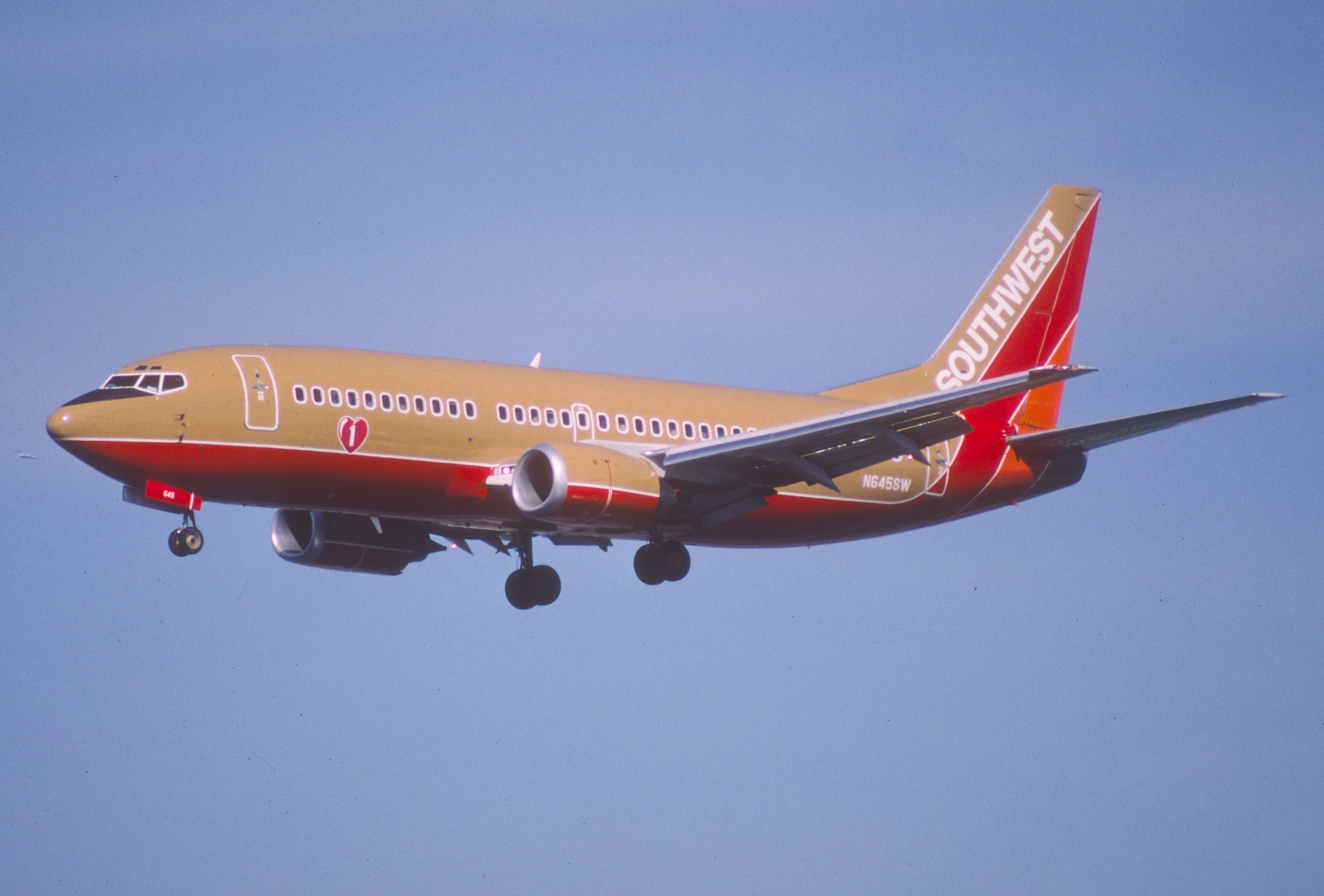
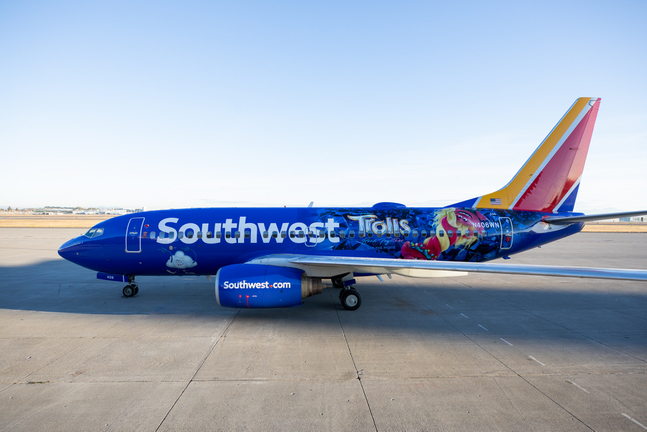
    SWISS International Airlines is stepping into the future with plans to automate passenger counting using artificial intelligence (AI). The airline’s move to replace manual headcounts with AI-driven cameras aims to enhance efficiency during boarding. Now, the question arises: Should a certain Dallas-based low-cost carrier be taking notes from SWISS?

    Southwest has had well more than its fair share of stowaway incidents. In one case last September, a mystery passenger infiltrated a flight to New Orleans (MSY), only being discovered due to a fully occupied flight leaving more passengers than available seats. In September, I wrote about the potential stowaway I encountered at TUL, making me question if this is happening way more often than is being reported.

    TSA’s role primarily involves screening for prohibited items and ensuring individuals on the no-fly list don’t enter the sterile area. They don’t care where you go once you’re past the checkpoint (as long as you stay out of restricted areas). The responsibility of guarding the jet bridge door falls squarely on the airlines. Southwest seems to be falling short in this regard. There are several ways someone could (legally & legitimately) enter the sterile area to try this. You could buy a fully refundable ticket and cancel once beyond the TSA checkpoint (or just no-show if you don’t care about losing your money). You could arrive on a domestic flight. Or, at a growing number of US airports, you can obtain a gate pass simply by asking, for any reason (or none at all).

    Enter SWISS, pioneering the use of AI to automate passenger counting during boarding. The system, developed by Berlin-based startup Vion AI, utilizes cameras to accurately record the number of people boarding the plane. SWISS anticipates that this technological leap will streamline the boarding process, making it faster and more efficient. The airline asserts that all data will be handled in compliance with stringent European and Swiss data protection regulations (GDPR, anyone?).

    While SWISS is investing in cutting-edge technology, Southwest might want to consider whether it’s time to implement similar measures as part of a comprehensive set of checks and balances. Alternatively, Southwest could just, you know, train their employees to do their jobs, ensuring gate agents effectively monitor the boarding process.

    As SWISS takes a major step into the digital future, Southwest may need to reassess its approach to passenger security and boarding procedures. I disagree with the prognosticators saying that AI will upend everything, but there are a ton of opportunities to use AI to simultaneously secure our skies while actually improving passenger experience.

    h/t Paddle Your Own Kanoo

  • Did I Encounter a Southwest Stowaway?

    Did I Encounter a Southwest Stowaway?

    Yesterday, I got a response from my home airport of Tulsa International (TUL) regarding the issues I had with the TUL Visitor Pass program. These issues appeared to be resolved, but I wasn’t sure when I’d be able to find the time to make it back to TUL and give it another go. Well, Tulsa’s traffic made that easy for me! A major wreck on my side of town decided to gift me some free time, giving me the choice between sitting in gridlock for potentially hours on end, or getting some quality planespotting time in at TUL while things cleared up. I opted for the more pleasant alternative—hanging out at the airport. This time, my experience with the Visitor Pass program was notably smoother, but that’s a story for another day.

    As I strolled towards the TSA checkpoint, a peculiar announcement echoed through the airport speakers. Someone was urgently summoned to the Southwest Airlines counter, being reminded in no uncertain terms that they were “in Tulsa, Oklahoma, NOT Philadelphia!” This announcement was repeated several times over the course of the coming minutes. Oops, someone took a wrong turn!

    I reached out to Southwest for some insight, but the airline’s response was predictably vague. All I got was a standard response acknowledging my concern, but declining to comment on individual passengers. Fair enough. The specifics of the incident remained elusive, but we can read between the lines here: someone, whether intentionally or unintentionally, likely boarded the wrong flight. It’s unclear which flight this occurred on, but my educated guess based on the time of the announcement points to WN2883 from Austin Bergstrom (AUS) as the misdirected traveler’s likely flight.

    Hi, Adam. While there may be many reasons that a Passenger may be paged to the counter, we are unable to provide information about a fellow Passenger. We apologize for any concern this may have caused.

    Response from “Sara” with Southwest Airlines

    This mishap brought me back to a September blog post where I delved into the case of a stowaway on a Southwest flight to MSY. In that instance, the passenger slipped through the cracks intentionally, only to be nabbed thanks to a completely full flight.

    Sure, boarding passes are designed to be electronically scanned, theoretically preventing such mix-ups. However, it ultimately falls on the gate agents to ensure that no one sneaks onto the jetbridge without a valid scan. And Southwest’s gate agents seem to have a hard time enforcing much of anything.

    It’s unlikely this qualified as a true security breach. TSA does a good job of securing the boundaries between sterile and non-sterile airport areas, and most airports now use automated exit lanes that provide no opportunity to slip past while the agent isn’t looking (AUS being one of those). However, airlines like Southwest seem to fall short in ensuring that those already in the sterile zone have the proper boarding pass for their specific flight. And while TSA does this well, there are legitimate ways to enter a sterile zone without a departing flight – someone could be a domestic arrival, utilize a fully refundable ticket, or be at an airport like TUL that gives gate passes to anyone who requests them. You still have to be screened by TSA, you just don’t necessarily need to fly out.

    The incident in September raised questions about how such slip-ups occur. Now that I’ve (potentially) encountered a similar situation firsthand, I really question how frequently this is happening and not being reported. It might be high time for some gate agent retraining or, dare I suggest, the introduction of automated turnstiles at the gate to streamline the process.

  • AI-Powered Employee Screening Trialed at DEN: Should it be Piloted for PreCheck Passengers, Too?

    AI-Powered Employee Screening Trialed at DEN: Should it be Piloted for PreCheck Passengers, Too?

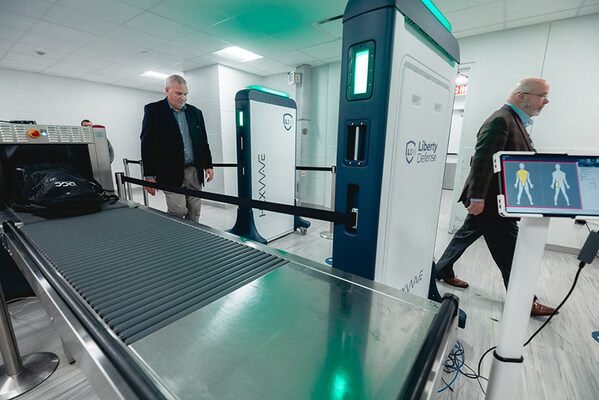
    Denver International Airport (DEN) is stepping into the future of airport security, announcing a trial run of the HEXWAVE system for employee screening. Developed by Canadian company Liberty Defense Holdings Ltd., this cutting-edge technology integrates AI, millimeter wave technology (similar to what’s currently used in the Leidos full-body scanners for non-PreCheck passengers), and advanced 3D imaging to detect both metallic and non-metallic threats without requiring individuals to remove common items like phones or keys. The trial will take place at the south employee checkpoint in the Great Hall, and marks a significant shift in aviation worker screening, who traditionally are only pulled aside for screening at random under the Known Crewmember (KCM) program.

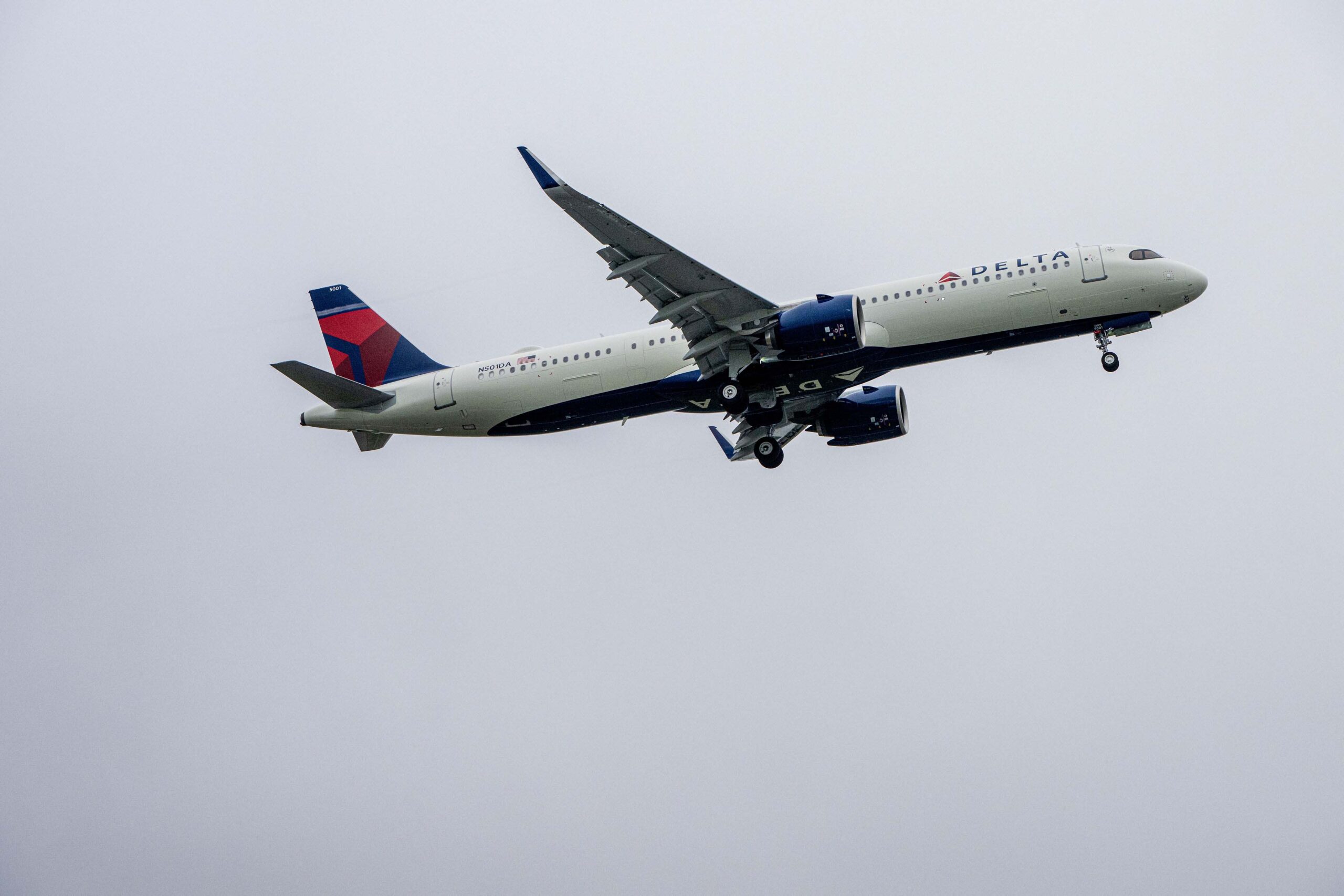
    This initiative comes amid a broader reassessment of the KCM program, and several recent disturbing incidents involving crew members. These incidents, notably the alarming attempt by an off-duty Alaska Airlines pilot to bring down a Horizon Air E175 midflight and a Delta pilot brandishing a gun during a disagreement over a medical diversion, have raised critical questions about the effectiveness of security procedures pertaining to crew members. Admittedly, these portals likely wouldn’t have done much to stop either incident; the Delta pilot was authorized to carry a weapon on board under the voluntary Federal Flight Deck Officer (FFDO) scheme – one we expect will be closely looked at over the coming weeks and months.

    While details of the specifics of the pilot program are, of course, under wraps, it’s likely we’ll see this technology used to pivot from random screenings of crew to consistently (but efficiently) screening them upon every entry. While obviously crew are in control of the aircraft whether they possess a weapon or not, this could prevent a scenario where a threat actor enlists an airline employee as an accomplice to smuggle something into the sterile area, handing it over post-security.

    While the introduction of these advanced detection portals is poised to potentially revolutionize airport security, their impact on crew members, if implemented more widely, is expected to be minimal. Comparable to the Evolv Express platform used at Walt Disney World, these AI-based detection systems offer efficient screening without the need to stop moving, line up single-file, or divest personal items. The only time there’s a need to stop is if a potential threat is identified, at which point the individual in question is pulled aside by nearby officers; otherwise, you pretty much get waved through.

    https://youtu.be/ZEt_-ak2YQI
    The Evolv Express platform, currently used by Disney, is comparable to the HEXWAVE system being trialled at DEN. While filled with marketing speak, this provides a pretty good idea of how it works.

    Currently, this screening technology is solely for workers. However, it begs the question if these portals could potentially one day be extended to TSA PreCheck passengers – which would be a win-win for both safety and passenger experience. It could enhance safety by effectively detecting non-metallic weapons such as those produced by 3D printers, which conventional magnetometers struggle to identify. Moreover, it promises a smoother, faster screening process for passengers, eliminating the hassle of removing personal items and even small bags. If that were implemented, all they’d need to do to significantly increase throughput would be to do something about those horrendously slow Analogic CT scanners (maybe the technology will reach a point where conveyor-based systems are rendered obsolete altogether?).

    The trial at Denver International Airport presents a glimpse into the future of airport security. While it may not directly address all the concerns surrounding recent crew incidents, the implementation of such innovative technology could potentially reshape the landscape of airport security for both employees and passengers alike.

  • Delta Pilot Allegedly Pulled Gun on Captain, Threatened to Shoot

    Delta Pilot Allegedly Pulled Gun on Captain, Threatened to Shoot

    In a shocking incident that took place in August 2022, reported in a recent grand jury indictment uncovered by the AP, a pilot, Jonathan J. Dunn, who was a participant in the Transportation Security Administration’s Federal Flight Deck Officer (FFDO) program, has been indicted for allegedly threatening to shoot the plane’s captain if the flight was diverted due to a passenger requiring medical attention.

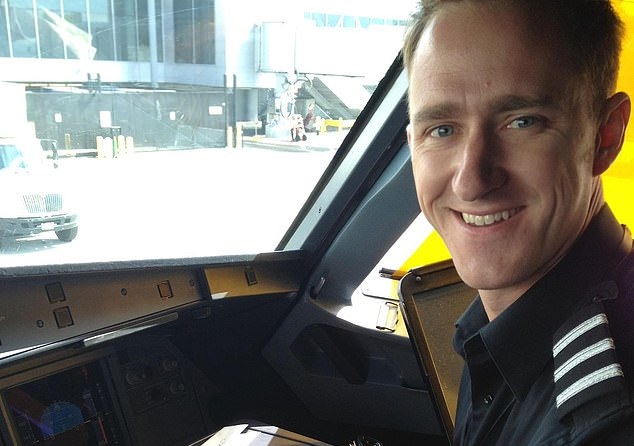
    Dunn, who had previously been authorized to carry a firearm on board as part of the TSA FFDO program, now finds himself expelled from this program and facing serious legal consequences. His employment with Delta Air Lines has also, of course, been terminated.

    The dispute arose over the potential diversion of the flight because of a passenger’s medical emergency. Dunn reportedly threatened the captain with multiple gunshots if the flight was diverted.

    The details surrounding the incident, including the airline, flight route, and whether the diversion eventually occurred, remain undisclosed. The Transportation Department’s inspector general’s office is working alongside the FBI and the Federal Aviation Administration to investigate this alarming case.

    Dunn’s indictment, issued by a grand jury in Utah, alleges that he “did use a dangerous weapon in assaulting and intimidating the crew member,” a felony that carries a maximum penalty of 20 years in prison. An arraignment for Dunn is scheduled for November 16.

    This disturbing revelation comes just days after an off-duty pilot in the jumpseat attempted to shut down the engines of a Horizon Air jet midflight. Joseph David Emerson, an Alaska Airlines pilot, cited depression and psychedelic mushrooms use as contributing factors. This incident raises questions about the screening processes for pilots, as they are primarily reliant on self-disclosure during medical exams. Trustworthiness and mental health assessments are vital, as even a perceived issue can have serious consequences in the airline industry. Passengers have to be able to trust the people flying the airplane beyond any reasonable doubt.

    It will be interesting to see if new security measures are implemented as a result of these incidents. While this particular incident took place over a year ago, the timing of this revelation coming so soon after the Horizon 2059 incident is sure to raise some eyebrows among Federal officials and the traveling public. Jumpseats are a critical piece of the airline logistics puzzle, helping crew members reposition and commute to work. Meanwhile, absent having air marshals present on most flights – just like one of many measures El Al takes to protect passengers, the FFDO program theoretically sounds like a great idea – pilots are already (again, in theory) subject to a high degree of vetting, so why not deputize them?

    Following these incidents, however, I could see Uncle Sam taking a very close look at just how much trust we’re blindly placing in our airline crews. Of course, the overwhelming majority of airline crew members in the US are trained, trustworthy professionals who just want to get you from point A to point B safely. And those who do it right, who dedicate their careers to our safety, deserve our respect. However, as they say, a few bad apples spoil the bunch – and given lives are at stake here, I could see a re-evaluation of protocols taking place over the coming months. In fact, we already see Known Crewmember (KCM) protocols being revisited, with DEN piloting new screening technology for crew.

    The incident involving Dunn and the recent Horizon incident underscore the importance of ensuring the mental and emotional well-being of those responsible for flying commercial aircraft. Maintaining the highest standards of trust and mental health screening is critical to guaranteeing passenger safety and the smooth operation of our airline industry.

  • Alaska Pilot Experimented with Psychedelic Shrooms Leading Up to Horizon 2059 Incident

    Alaska Pilot Experimented with Psychedelic Shrooms Leading Up to Horizon 2059 Incident

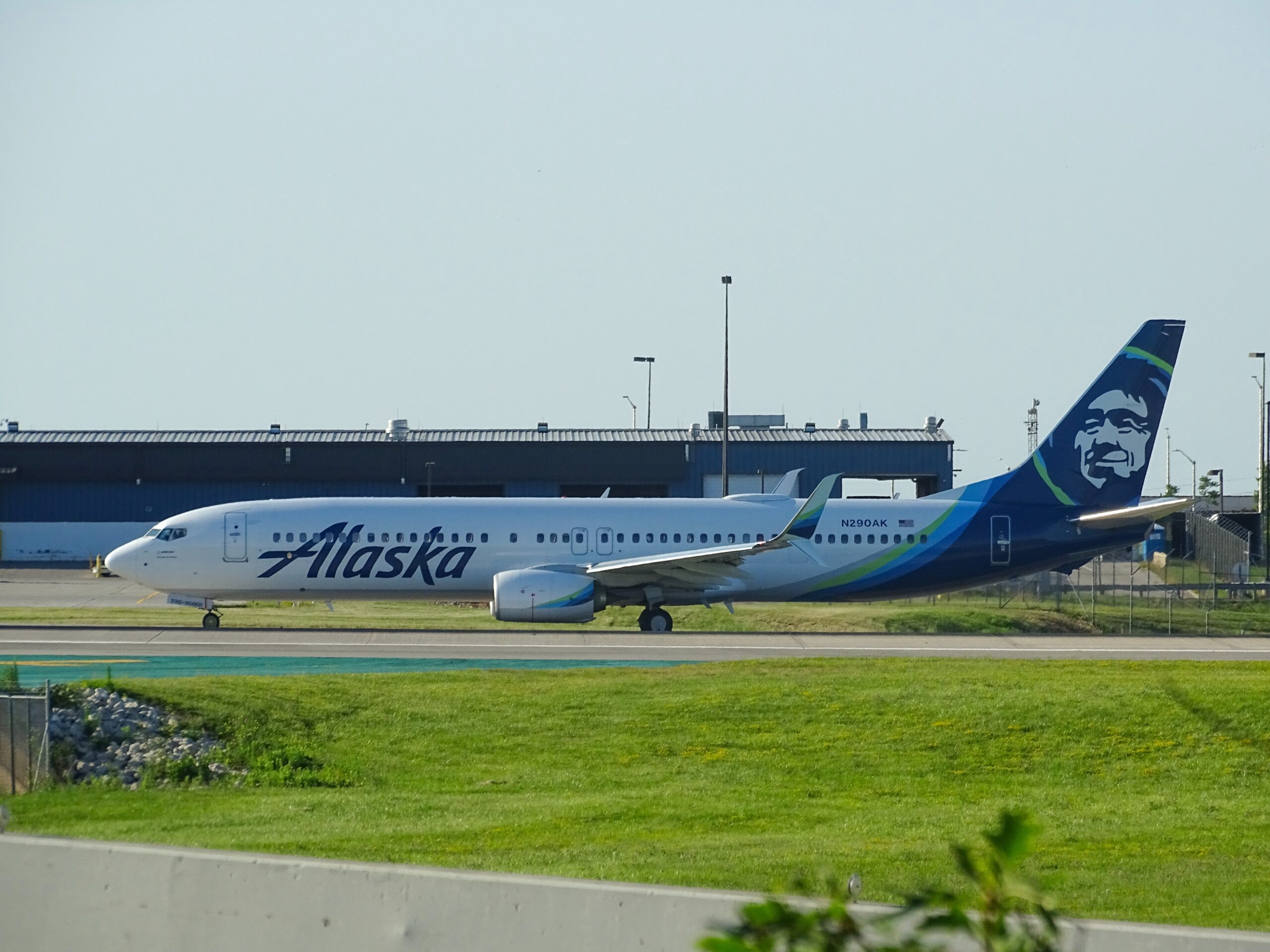
    In an alarming incident that unfolded on Sunday, October 22, 2023, aboard Horizon Airlines Flight 2059, we learned that an off-duty pilot by the name of Joseph David Emerson caused quite a commotion on the plane. This incident was no ordinary inflight disturbance, as Emerson attempted to shut down both engines mid-air in an apparent attempt to crash the Embraer E175 carrying 84 passengers and crew.

    The recently released probable cause affidavit, filed by Special Agent TaPara Simmons Jr. of the FBI and obtained by NPR, sheds light on the events that transpired. Emerson, who was sitting in the cockpit jump seat, took actions that left the crew and passengers in a state of shock.

    As the flight was en route to Portland International Airport, approximately halfway between Astoria, Oregon and Portland, Emerson made his unsettling move. He reached up and grabbed the red fire handles, which, if fully activated, would shut down the aircraft’s engines, essentially turning it into a glider. This audacious action prompted both pilots to intervene. They struggled with Emerson, ultimately preventing him from causing catastrophic consequences.

    What’s truly astonishing is that Emerson, who claimed to have been with the airline for ten years, seemed perfectly normal during the early stages of the flight. He engaged in casual conversation with the pilots and even talked about aircraft. However, somewhere along the way, he declared, “I’m not okay” and attempted to shut down the engines.

    The flight attendants also had their hands full, with Emerson’s behavior causing further alarm. They received a call from the cockpit and were told that Emerson was “losing it.” Upon leaving the cockpit, Emerson apparently attempted to open the emergency exit – a feat which isn’t possible at cruising altitude. He was eventually secured, handcuffed (which he actually asked for!), and seated at the back of the aircraft. Emerson continued to make concerning statements during the flight, admitting to endangering the lives of 84 people on board, including his own.

    Emerson’s post-incident interview with law enforcement revealed that he believed he was having a “nervous breakdown” and had not slept in 40 hours. He mentioned feeling dehydrated and tired. Emerson also revealed that this incident occurred after his experimentation with psychedelic mushrooms, although he denied taking any other medication.

    In light of these events, Special Agent TaPara Simmons Jr. submitted an affidavit seeking a criminal complaint and an arrest warrant for Emerson, charging him with “Interference with Flight Crew Members and Attendants” under Title 49 U.S.C. § 46504. This charge carries a potential penalty of a fine, imprisonment for up to 20 years, or both.

    The document leaves us with many questions, primarily concerning the potential consequences of drug use in the airline industry and the need for improved mental health support for airline personnel. In the end, while these are important discussions to have, there’s never an excuse to endanger 84 innocent lives. While this is a sad story for all involved, Emerson must still be held accountable for his actions and brought to justice.

  • Shocking Midflight Engine Shutdown Attempt: New Details Emerge

    Shocking Midflight Engine Shutdown Attempt: New Details Emerge

    In our previous report, we reported on a shocking incident that unfolded on Horizon Air Flight 2059, a regional carrier for Alaska, during its journey from Everett (PAE) to San Francisco (SFO). An off-duty pilot, Joseph David Emerson, seated in the jumpseat, allegedly attempted to shut off the engines mid-flight. The plane, an Embraer E175, was ultimately diverted to Portland International Airport (PDX), where Emerson was apprehended by law enforcement. The incident led to a laundry list of charges, including 83 felony counts of attempted murder, 83 misdemeanor counts of reckless endangerment, and 1 felony count of endangering an aircraft.

    Now, new details have emerged, shedding light on the harrowing events that took place on that fateful flight.

    The FAA’s Chilling Notice

    An FAA notice distributed to all U.S. airlines through its Domestic Events Network classified this as a “significant security event.” It disclosed that the “jump seat passenger” had attempted to disable the aircraft engines while the plane was at cruise altitude. This attempt was made by deploying the engine fire suppression system.

    In the Embraer E175, the fire handles, which are critical for controlling the engines, are located above the pilots on the ceiling. Pulling down the handle is a simple yet effective way to shut off fuel to the affected engine, quite literally halting the addition of fuel to the fire. This action, however, results in the engine’s immediate shutdown due to the lack of fuel supply. Rotating the handle after it’s pulled down activates two redundant fire suppression canisters; left for canister “A” and right for canister “B.”

    Alaska Air spokesperson Alexa Rudin revealed that, thankfully, some residual fuel remained in the line. The quick response of the flight crew, who reset the handles and restored fuel flow, averted a catastrophic fuel starvation.

    During the incident, the pilot flying the plane relayed a calm but chilling message to Portland air traffic control. “I’ll just give you a heads-up. We’ve got the guy that tried to shut the engines down out of the cockpit,” the pilot stated. “It doesn’t seem like he’s causing any issue at the back. I think he’s subdued.”

    From Level 4 Threat to Handcuffs

    As the plane approached Portland for its final landing, the air traffic controller sought verification of the threat level. The pilot flying responded, designating it as a “Level 4” threat, indicating a “breach of the flight crew compartment.” However, the situation evolved rapidly, with the pilot adding, “The threat is now in the back of the airplane, so we’ve reduced the threat level.”

    The crew, after a check-in with the flight attendants, informed air traffic control that the individual who had attempted to shut down the engines was “handcuffed and he’s in the aft back jumpseat for when law enforcement arrives, and right now he’s staying calm.” This “aft back jumpseat” is typically used by a flight attendant during landing.

    A Heroic Response

    Under the Federal Flight Deck Officer program, the Transportation Security Administration (TSA) deputizes qualified volunteer pilots as law enforcement officers to defend the flight deck of aircraft against acts of criminal violence and air piracy. This completely voluntary program, upon completion of specialized training, allows deputized pilots to carry a concealed handgun in order to protect their passengers. It’s currently unclear whether either of the pilots on this flight had such training or if they were carrying concealed weapons, but they certainly acted heroically to prevent a potentially catastrophic outcome.

    In a statement, the FBI assured the public that there is no ongoing threat related to this incident, while the FAA pledged its full support to law enforcement investigations.

    As the investigation unfolds, stay tuned for further updates as more details emerge.

    h/t Seattle Times

  • Skip the Lines with Heathrow’s Free Timeslot Service

    Skip the Lines with Heathrow’s Free Timeslot Service

    Heathrow Airport, one of the world’s busiest travel hubs, is no stranger to long security lines. Many a weary traveler has found themselves anxiously eyeing the clock, worried they might miss their flight while stuck in a seemingly endless queue. But now, there’s a glimmer of hope on the horizon, as Heathrow introduces a new way to beat those infamously long security lines – the Heathrow Timeslot service.

    This exciting development is currently in the trial phase, set to last for the next six months. And here’s the best part – it won’t cost you a penny. While the service is administered by CLEAR, you won’t need to enroll, submit biometrics, or pay a fee; all you need is a valid e-mail address – preferably one you can readily access on your smartphone.

    So, how does it work? Well, it’s surprisingly simple. Passengers can pre-book a designated time and security checkpoint in advance of their arrival at the airport, and receive a QR code via e-mail, granting access to a special line. If you’re familiar with CLEAR Reserve, the Timeslot platform appears to be a re-branded version of that, and the booking process should feel very familiar. The trial is currently limited to Terminal 3, available only to passengers flying with American Airlines, Delta, Emirates, and Virgin Atlantic. If the trial proves successful, it may expand to include more airlines during the testing period.

    It’s unclear if this service is available for connecting passengers using the transit security checkpoint, but given past fast-track programs and the layout of the T3 transit facility, I’d bet the answer is likely a no. However, most European and American passport holders can simply enter the UK via the border e-gates and take one of the local trains (Heathrow Express, Elizabeth Line, or Piccadilly Line) at no charge over to Heathrow Central – some claim that if you’re eligible to use the e-gates, it’s faster to clear passport control and take local transit than to wait for the shuttle buses that operate outside of customs. Bear in mind your connection may not be protected while you’re landside, so if you’re cutting it really close, it may be best to stay airside to ensure no issues rebooking.

    Here’s another convenient feature of the Timeslot service – you can book for up to five people at once, great for families or groups of friends traveling together (it’s unclear if you must all be on the same PNR, but experience suggests they won’t check). Keep in mind that these slots are subject to availability, so it’s a good idea to book ahead to secure your preferred time.

    Now, for those of you who are feeling left out, there’s some promising news. If the trial succeeds, the Timeslot service will be rolled out to additional terminals at Heathrow. As someone who frequents Terminal 5, the home of British Airways, I can’t help but hope that this service will soon be available there too.

    However, even with the convenience of pre-booking, Heathrow Airport advises travelers to give themselves more than 45 minutes before departure to pass through security. Why? Well, Heathrow operates under the UK’s somewhat infamous “conformance” scheme; at 35 minutes prior to departure, you won’t be able to pass through the turnstiles to enter the security checkpoint. So, while Timeslot can save you time, don’t cut it too close – arrive when you normally would, and use the extra time to visit one of T3’s many lounges.

    This concept of pre-booking time slots for security isn’t entirely new to European airports. Amsterdam Airport Schiphol (AMS) has been operating a similar scheme (also by CLEAR), and I recently had the chance to try it out during a trip. I must say, it worked quite well, but the security lines were so efficiently managed that it almost felt unnecessary. Still, it’s a handy option to have, and I imagine it will be a much bigger game-changer at Heathrow where the lines aren’t as well-managed.

    For many U.S. travelers accustomed to TSA PreCheck, the Heathrow Timeslot service will feel like a long-awaited dream come true. While you’ll still need to remove laptops and liquids from your bag, being able to skip the line is a game-changer. PreCheck is one of those things (like air conditioning and ice in drinks) that I always miss while abroad, so any opportunity to fast-track the security process at a major foreign hub is welcome news.

    So, if you find yourself headed to Heathrow in the coming months, consider giving the Timeslot service a try. It’s a promising step towards a smoother and less stressful airport experience, and who can say no to that?