Tag: united

  • United Announces Israel Service Resumption, Then Promptly Retracts

    United Announces Israel Service Resumption, Then Promptly Retracts

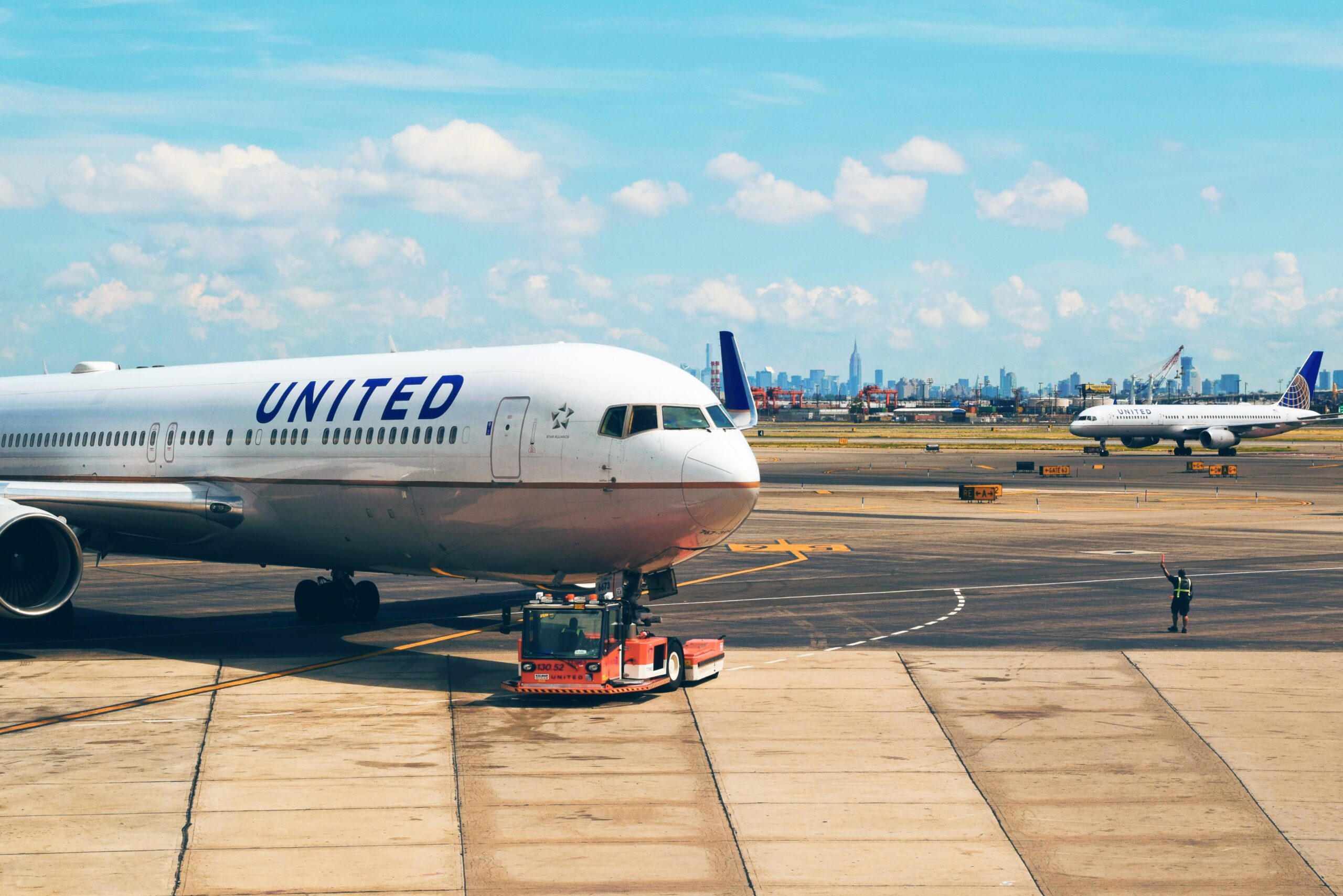
    Amidst the eruption of the ongoing conflict in Israel, major airlines swiftly halted their services to the region. United, in particular, found itself in a peculiar situation as one of its flights from SFO became a unintentional “flight to nowhere” when it had to turn back mid-air due to the eruption of hostilities during the course of the flight. The rapid escalation saw thousands of rockets launched towards Israel, including at Ben-Gurion Airport (TLV), prompting a suspension of flights to the country by most foreign airlines.

    United Airlines announced the resumption of its EWR-TLV service starting on November 24, a day after Thanksgiving. However, this announcement was promptly retracted, with the airline clarifying that flights to Tel Aviv would remain suspended until conditions permit their safe resumption.

    In the midst of this uncertainty, El Al, Israel’s flag carrier, emerged as one of the only airlines maintaining services to and from Israel. Notably, they continued operations even during the Sabbath, something which the carrier hasn’t done in decades. I previously delved into El Al’s utilization of C-MUSIC, a system designed to protect passengers from heat-seeking anti-aircraft missiles.

    While Delta tentatively scheduled the return of its JFK-TLV route from November 21, no formal announcement has been made. Given the unpredictable nature of the war situation, it’s anticipated that scheduling adjustments may continue until there’s a substantial change.

    Live and Let’s Fly reported American Airlines listing TLV flights starting December 4, but it seems that’s already been pulled down from AA.com. While tickets were offered for that date, they all involved connecting flights with Oneworld alliance partners like British Airways in Europe, without direct options from the U.S. on AA metal.

    The situation remains fluid, but my prediction is that we won’t see any service resumption by U.S. carriers until the conflict subsides, and potentially much longer. It’s likely we’ll see widebody equipment, already in short supply, re-allocated to other routes such as those to Europe. Once those schedules are built and equipment committed, it could potentially take significant time to organize service to TLV again.

  • Aer Lingus Terminates United Codeshare – Will They Rejoin Oneworld?

    Aer Lingus Terminates United Codeshare – Will They Rejoin Oneworld?

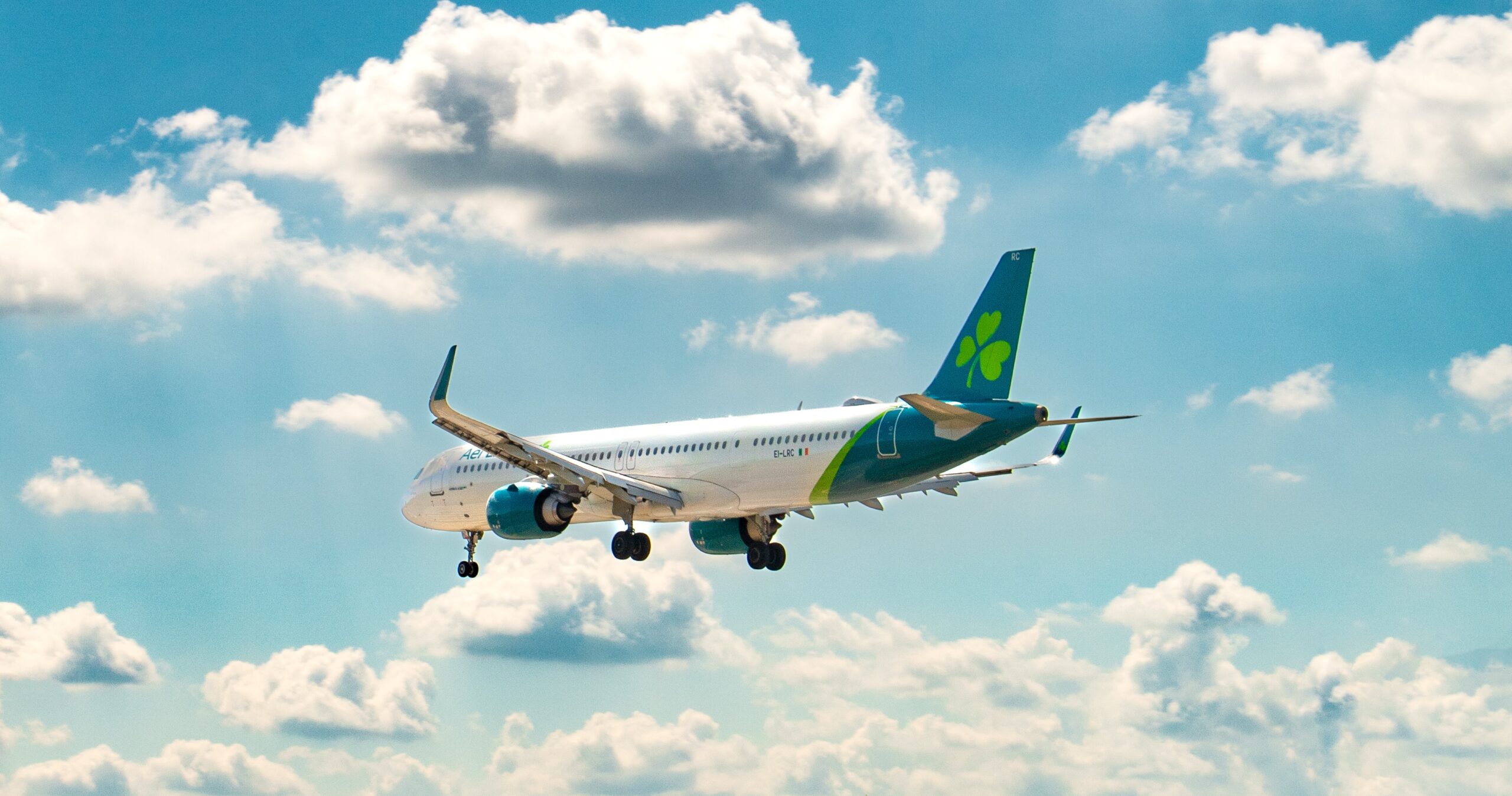
    Aer Lingus surprised absolutely nobody by announcing the termination of its codeshare agreement with United Airlines. The implications of this move are far-reaching, especially for United MileagePlus members who will no longer be able to earn points by flying with Aer Lingus. But the ripples of this decision extend further, with implications for the Oneworld alliance and the transatlantic partnership landscape.

    Previously, British Airways Executive Club members could earn miles when flying on United, but it involved a convoluted points transfer process that involved earning Avios through Aer Lingus, and then transferring them 1:1 to BA. It’s worth noting that British Airways and United Airlines belong to different alliances – BA is a member of Oneworld, while UA is part of Star Alliance.

    In the wake of Aer Lingus ending its codeshare agreement with United, one thing is abundantly clear – American Airlines emerges as the victor in this scenario. With American becoming their sole US partner, the alignment between these two airlines strengthens, offering more travel opportunities and rewards for passengers. This comes the airlines began codesharing just last year, fueling speculation that the United partnership might come to an end. It’s a win-win for American Airlines and its loyal customers, but a loss for United loyalists.

    Interestingly, under the current arrangement, United members have been able to redeem their miles on Aer Lingus, but AA members have not. It’s unclear if this move will pave the way for AAdvantage members to redeem miles for Aer Lingus flights, or perhaps something much bigger…

    Beyond this immediate consequence, the question that lingers in the minds of industry observers is whether Aer Lingus is positioning itself for a return to the Oneworld alliance. This is not an unfounded thought; Aer Lingus was once a member of Oneworld before it parted ways in 2007, and has retained strong connections to the alliance, despite being officially neutral. A rumor circulating on FlyerTalk earlier this year suggested that Aer Lingus might be considering a return, with a potential rejoining date of Q2 2025.

    Aer Lingus has always been something of an oddball in the airline world. It’s the only full-service airline within the International Airlines Group (IAG) umbrella that isn’t a member of any alliance, let alone Oneworld. Given that IAG’s other legacy carriers, such as British Airways and Iberia, are longtime Oneworld members, it’s easy to see why many are speculating that Aer Lingus’s return to the fold might be in the cards. After all, it would make sense in terms of ownership and alignment.

    The termination of the United codeshare is just one piece of this complex puzzle. As the airline industry continues to evolve and adapt to changing market dynamics, it’s anyone’s guess what the future holds for Aer Lingus. Will they make the leap back into Oneworld, rekindling old alliances and forging new partnerships? Only time will tell, but for now, we can certainly keep our eyes on this intriguing development in the world of aviation.

  • United Airlines Adopts “WILMA” Boarding Order

    United Airlines Adopts “WILMA” Boarding Order

    United Airlines is taking a step back to the past in an effort to streamline their boarding process. Starting on October 26, 2023, they will be reintroducing a previously-trialed boarding system known as “WILMA.” Now, you might be wondering what WILMA stands for, and trust me, you’re not the only one scratching your head over this acronym. It stands for Window, Middle, and Aisle, though the origin of that “L” remains somewhat unclear.

    Why the switch? Well, United Airlines has noticed that it takes them an average of two minutes longer to board a flight now compared to 2019. You might think that two minutes isn’t much, but when multiplied across their entire network, that time can quickly add up. Oddly, this lag in boarding time has happened at a time when United has been expanding its basic economy fare class, which, notably, doesn’t include a carry-on bag.

    Why could this be? With business travel still lagging behind pre-pandemic levels, leisure travelers and families, who might not be as accustomed to the boarding process, now make up a significant chunk of their passenger roster, slowing down boarding.

    So, United is making a change, but what exactly does this mean for travelers? In a nutshell, the idea is to seat passengers in the window, middle, and aisle seats in that order. Starting with Group 3, the new system is as follows:

    • Preboarding remains the same and includes customers with disabilities, unaccompanied minors, active military members, Global Services members, travelers with children 2 years and younger, and Premier 1K members.
    • Group 1 continues to include Premier Platinum and Gold members, Star Alliance Gold members, and travelers in United Polaris, United First, and United Business cabins.
    • Group 2 still consists of Premier Silver members, Star Alliance Silver members, travelers with Premier Access or priority boarding, and select cobranded credit card holders.
    • Group 3 encompasses window seats, exit row seats, and non-revenue travelers.
    • Group 4 is for the middle seats.
    • Group 5 is for passengers in aisle seats.
    • Group 6 is for basic economy customers, though it’s important to note that for long-haul flights and select Central American routes, there won’t be a Group 6. This exception is due to United allowing carry-on bags for passengers with intercontinental basic economy tickets.

    At first glance, it might seem like a lot of groups, but keep in mind that United’s competitors like American Airlines and Delta both have a whopping 10 boarding groups, making United’s seven seem relatively tame. United also has one of the most punitive Basic Economy products in the business, placing even their MileagePlus elite members in Group 6 when flying on a Basic Economy ticket; on competing airlines, many of the restrictions of BE fares can be defeated with elite status or the right credit card.

    In my opinion, if an airline really wants to speed the boarding process, the current fee structure of charging most passengers to check a bag should be flipped. Carry-on bags slow the boarding process immensely, especially towards the end of the process as overhead bins fill, and people have to get creative as to where to stow their bags. This slowdown plays out in reverse upon landing, creating frustrating delays in getting off the aircraft. Road warriors and business travelers recognize the huge time suck involved in checking a bag, and I imagine most would be willing to pay a premium for the ability to bring a full-size carry-on. As an AA elite, I’m entitled to free checked bags, yet I rarely utilize this benefit based on the inconvenience factor alone. United seems to recognize this reality, as they already require Basic Economy passengers to check their bags (and pay for the privilege). Perhaps airlines should consider a fee structure charging non-elites to bring a full-size carry-on into the cabin, and incentivize more passengers to check their bags by making those free of charge.

    Ultimately, the airline industry is fiercely competitive, and with razor-thin margins, carriers are constantly seeking ways to shave precious minutes off their boarding times. There are countless academic studies all centered around shaving minutes and seconds off the boarding process. For airlines like Southwest, their open-seating policy allows for fast boarding, as passengers can just sit down wherever they see a seat and space for their carryon; this is especially crucial as their business model has long relied on quick turns. United’s reversion to the “WILMA” system might be just the ticket to streamline the process and get passengers on board a bit faster, even if we’re still pondering the mysterious “L” in the acronym.