Category: Airlines

  • Virgin Atlantic to End Austin-Heathrow Flights Amid Tech Bubble Burst

    Virgin Atlantic to End Austin-Heathrow Flights Amid Tech Bubble Burst

    Virgin Atlantic has announced its decision to end its service connecting Austin-Bergstrom International Airport (AUS) to London Heathrow (LHR). The British airline cites a “persistent softening in corporate demand, specifically within the tech sector,” as the primary reason for this strategic move.

    The last Virgin Atlantic flights to Austin are scheduled to operate on January 7, 2024. For those passengers affected by this decision, the airline has promised to provide various options, including the choice of a full refund. For now, Virgin’s UK rival, British Airways, continues to operate their AUS-LHR service, which has been in place since 2014.

    Juha Jarvinen, the chief commercial officer for Virgin Atlantic, expressed the airline’s sentiments, saying, “We’ve adored flying our customers to Austin and experiencing this wonderful city of music and culture, but demand in the tech sector is not set to improve in the near term, with corporate demand at only 70% of 2019 levels. Therefore, sadly, we made the tough decision to withdraw services. We’d like to thank everyone in Austin, our customers, teams, partners, and the authorities for their support over the past 18 months.”

    Virgin Atlantic had only launched its nonstop flights to Austin in May 2022, directly competing with British Airways on the same route. However, the numbers reveal a stark difference in the passenger counts, with Virgin Atlantic carrying only about a third of the passengers that British Airways was flying to and from Austin. The most recent figures from August, compiled by Bergstrom Airport administration, indicate that Virgin Atlantic transported approximately 4,800 passengers to and from Austin, compared to British Airways’ impressive 16,000 passengers – perhaps owing to the extremely high concentration of Oneworld elites in the Austin area.

    Austin-Bergstrom International Airport officials issued a statement expressing their gratitude for Virgin Atlantic’s ambitious route. They added, “We hope to welcome them back one day.”

    The suspension of the Austin-London route marks the second international route cancellation at AUS in recent months. Spirit Airlines had previously suspended its nonstop route to Monterrey, Mexico last month, citing low passenger demand (though, in fairness, Spirit has been facing larger financial difficulties). In response, Viva Aerobus has announced plans to launch its AUS-Monterrey route in March 2024.

    The tech industry has played a pivotal role in Austin’s rapid growth, with tech workers and companies flocking to the area from Silicon Valley and other parts of California. However, the tech bubble that fueled this expansion is now bursting, resulting in layoffs, hiring freezes, and a glut of applicants for tech-adjacent jobs. Even those with FAANG pedigrees are now scrambling to secure any tech-adjacent role they can get their hands on, including desktop support positions, often offering significantly lower pay, fewer business travel opportunities, and less time off compared to their previous positions.

    As Austin’s growth in recent years has been largely tech-driven, the bursting of the tech bubble has a disproportionately large impact on the city’s economy. This development could potentially affect the future of international routes from Austin, as well as domestic activity as that slows down across the board.

    Amid Austin’s rapid expansion in recent years, it has evolved into something of a “mini hub” for Southwest Airlines and American Airlines. Plans for a new midfield concourse had recently been announced, and were expedited by the Austin City Council just last month. However, with the uncertainty surrounding the tech bubble, the fate of these plans remains uncertain.

    The decision by Virgin Atlantic to suspend its Austin-London route reflects the challenges faced by the tech-driven economy of Austin and the broader impact of the tech bubble’s burst on the city’s small-but-mighty airport. We’ll have to keep a close eye on the developments at Austin-Bergstrom as it navigates through this period of transition.

    h/t KXAN
  • Spirit Airlines Does Complete 180, Freezes Hiring Amid Tough Quarter, P&W Engine Woes

    Spirit Airlines Does Complete 180, Freezes Hiring Amid Tough Quarter, P&W Engine Woes

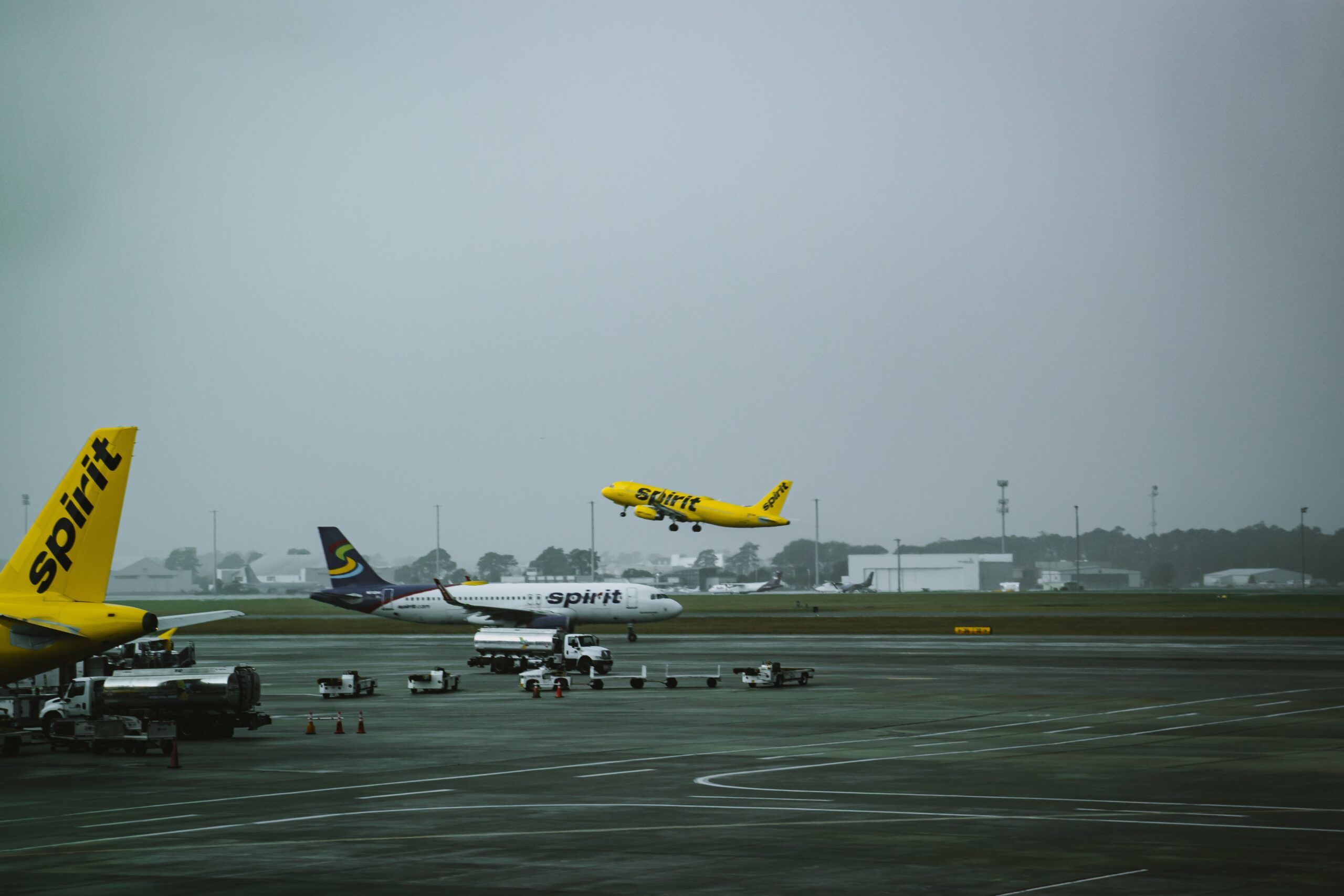
    Spirit Airlines, one of the country’s largest ultra-low-cost carriers, finds itself in a tight spot as it navigates through the final quarter of 2023. The airline Friday announced a hiring freeze for new pilots and flight attendants, a stark contrast to their grand plans earlier this year. So, what’s causing this complete 180? Let’s take a closer look.

    What’s Behind the Hiring Freeze?

    In just a few short months, the airline industry has witnessed a significant shift in fortunes. Back in April, Spirit Airlines was riding high on the unstoppable wave of post-COVID revenge travel demand, which seemed like it had no intentions of slowing down. The airline had announced ambitious plans to hire a whopping 4,000 new employees in 2023 alone. And as recently as last month, the airline partnered with Liberty University to expand its hiring pipeline. Fast forward to today, and we find the airline slamming on the brakes with recruiting (hopefully they didn’t overheat said brakes as big as this 180 was).

    A320neo Engine Issues

    One major factor contributing to this hiring freeze is the unforeseen trouble with Pratt & Whitney engines, affecting Spirit’s Airbus A320neo aircraft. The Miramar, Florida-based airline expects to ground an average of 26 of these planes for inspections, all due to a manufacturing defect disclosed by Pratt & Whitney in August. The numbers are alarming, with 13 grounded planes expected in January, increasing to a staggering 41 by December next year.

    Spirit’s fleet, as of September 30, stood at 202 Airbus planes, making these grounding measures a significant setback. In their own words, “This expectation drives a dramatic decrease in the Company’s near-term growth projections.” Naturally, this has thrown a wrench into their plans for expansion and hiring.

    Spirit Airlines is in talks with Pratt & Whitney’s parent company, RTX, regarding compensation for the engine issue. RTX had previously mentioned that repairs would take 250 to 300 days, and approximately 350 planes powered by these geared turbofan engines would be grounded worldwide between 2024 and 2026.

    Economic Headwinds for LCCs

    While this hiring freeze by Spirit is the most dramatic action taken so far by an airline in response to the gathering economic storm clouds, Spirit is not the only low-cost carrier having a rough Q3. It appears that LCCs, which largely serve domestic leisure travelers, are taking the hardest hits from the economic headwinds currently sweeping through the country.

    Revenge travel demand, which appeared unstoppable until a few months ago, has suddenly dried up. Rising inflation, soaring interest rates, and widespread layoffs and hiring freezes across the economy have all played their part. Many who are fortunate enough to secure jobs in these conditions often have to accept lower salaries, return-to-office mandates, or roles with little to no paid time off.

    Domestic travel demand, which was breaking records just this summer, has done a complete 180 and largely evaporated. Demand to and from Europe still remains stronger than ever, but LCCs don’t serve Europe, and aren’t in a position to capitalize on that demand.

    This sudden shift in the travel landscape marks the first time we’ve seen any significant airline hiring freezes and layoffs since the early days of the COVID-19 pandemic. Other airlines, such as Breeze Airways, have been forced to make tough decisions, including slashing underperforming routes, in some cases just a month after launching them. Even Southwest Airlines recently made positive changes to its Rapid Rewards program – which while we always welcome customer-friendly changes, we usually only see loyalty programs change for the better when times are bad. At the end of the day, a loyalty program is a marketing tool – and if people are buying tickets anyway, there’s no need to spend money on marketing.

    It’s a challenging time for low-cost airlines like Spirit, but they are not alone in facing these economic headwinds. Only time will tell if this is a temporary bump in the road for airlines, or if we’ll eventually see a couple B and C players fold altogether.

    H/T CNBC

  • Fast Eddie to Delta Investors: SkyMiles Rollbacks Likely Temporary

    Fast Eddie to Delta Investors: SkyMiles Rollbacks Likely Temporary

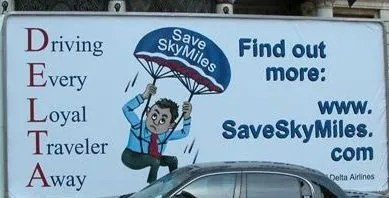
    Delta Air Lines, led by CEO Ed Bastian, is in the midst of a turbulent shakeup, with its loyalty program, SkyMiles, at the center of the controversy. The recent series of changes and rollbacks have left loyal SkyMiles members and investors perplexed and frustrated. Bastian, now often affectionately referred to as “Fast Eddie,” seems to be telling two different stories to two very different audiences, leaving many to wonder about the future of Delta’s loyalty program.

    The September Shakeup

    In September, Delta announced sweeping changes to its SkyMiles program, sending shockwaves through the frequent flyer community. The key alterations included a shift to revenue-based elite status qualification with staggeringly high spending thresholds, and a significant reduction in SkyClub access for Delta Reserve and AmEx Platinum cardholders. These changes left many loyal SkyMiles members reeling and questioning their loyalty to the airline; many have already left Delta for competitors, with United reporting record interest in status matches.

    Partial Rollbacks

    Delta announced some partial rollbacks to the changes earlier this month. However, it was, for many, too little, too late. My predictions turned out to be fairly accurate; the elite status thresholds were lowered by 16-20%, and while AmEx SkyClub visits will still be capped, caps were increased by 50-67%. While these rollbacks offered some immediate relief, the underlying issues and concerns persisted. Once trust is broken, it’s tough to repair, and Bastian’s comments to investors aren’t exactly helping the situation.

    Fast Eddie’s Mixed Messages

    Now, Fast Eddie is back in the spotlight, but this time, he is addressing investors. He stated, “There were some things that we did that I thought were maybe too aggressive in trying to get to that equilibrium quickly. We pulled back and said we’ve got to go at this at a much more measured pace.” In essence, Bastian seems to suggest that the originally announced changes are still on the horizon; his only regret is that they were implemented too hastily.

    This mixed messaging leaves SkyMiles members and investors in a state of uncertainty. If I were a SkyMiles elite member, even with the rollbacks announced this month, I’d still be wondering whether it’s time to explore greener pastures with other loyalty programs like American Airlines’ AAdvantage or United’s MileagePlus. Bastian’s statements are effectively saying, “We still intend to pull the rug out from under you; we’re just pulling it more slowly.”

    The Delta Perspective

    Bastian’s comments on Delta’s need for balance, especially in light of increasing demand for premium services, are not completely without merit. The airline must strive to provide a premium experience while maintaining its stability. However, the execution of these changes and the communication with loyal customers have been nothing short of awful, alienating their elites to placate investors.

    Bastian’s remarks about the economic landscape and the importance to Delta of the top 40% of consumers with household earnings of $100,000 or greater provide insight into Delta’s strategic thinking. The overarching message here is that unless you are wealthy and dropping nearly $30k a year on airfare, Delta doesn’t care about you.

    Bottom Line

    Delta’s SkyMiles program is in a state of flux, with changes and rollbacks creating a sense of unease among its members and investors. Bastian’s mixed messages about the future of SkyMiles have only added to the uncertainty. While there may be a tiny bit of merit behind the changes, the execution and communication could have been handled much more transparently and thoughtfully. SkyMiles members must now weigh their loyalty against their desire for a stable and rewarding loyalty program, while investors closely monitor how Delta’s strategy will impact the airline’s financial performance in the long run. Only time will tell whether Delta’s “Fast Eddie” can navigate these challenges successfully.

    h/t View From the Wing

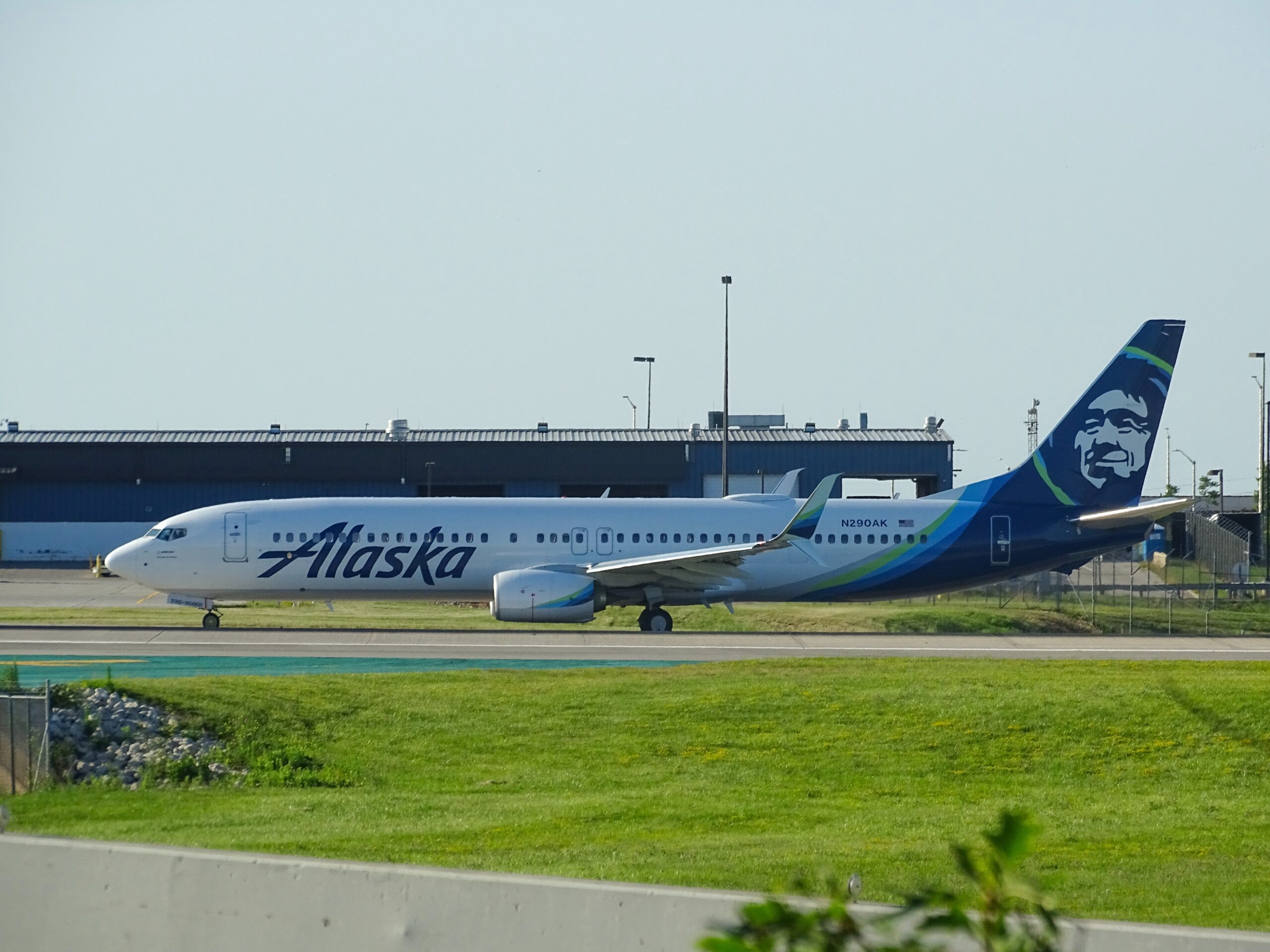
  • Alaska Pilot Experimented with Psychedelic Shrooms Leading Up to Horizon 2059 Incident

    Alaska Pilot Experimented with Psychedelic Shrooms Leading Up to Horizon 2059 Incident

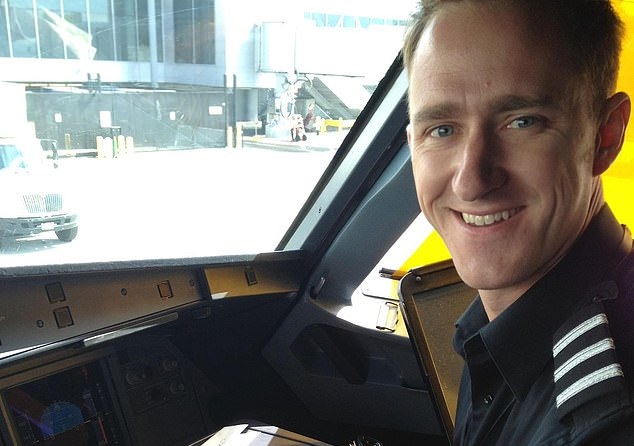
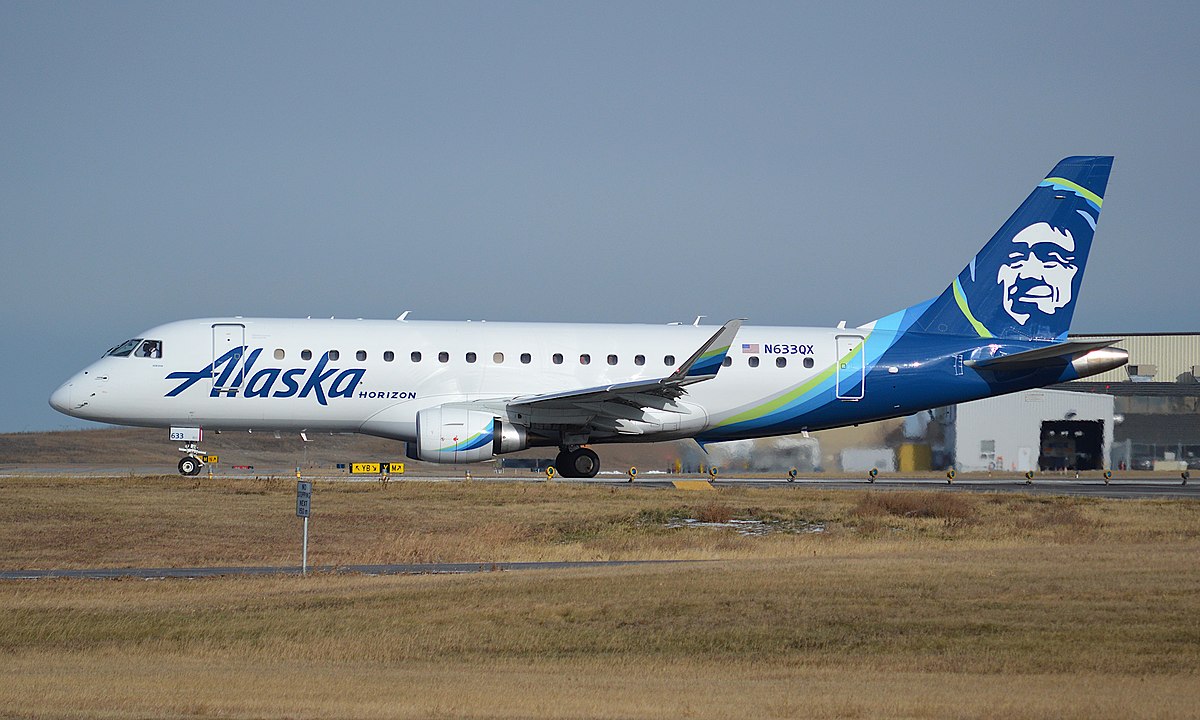
    In an alarming incident that unfolded on Sunday, October 22, 2023, aboard Horizon Airlines Flight 2059, we learned that an off-duty pilot by the name of Joseph David Emerson caused quite a commotion on the plane. This incident was no ordinary inflight disturbance, as Emerson attempted to shut down both engines mid-air in an apparent attempt to crash the Embraer E175 carrying 84 passengers and crew.

    The recently released probable cause affidavit, filed by Special Agent TaPara Simmons Jr. of the FBI and obtained by NPR, sheds light on the events that transpired. Emerson, who was sitting in the cockpit jump seat, took actions that left the crew and passengers in a state of shock.

    As the flight was en route to Portland International Airport, approximately halfway between Astoria, Oregon and Portland, Emerson made his unsettling move. He reached up and grabbed the red fire handles, which, if fully activated, would shut down the aircraft’s engines, essentially turning it into a glider. This audacious action prompted both pilots to intervene. They struggled with Emerson, ultimately preventing him from causing catastrophic consequences.

    What’s truly astonishing is that Emerson, who claimed to have been with the airline for ten years, seemed perfectly normal during the early stages of the flight. He engaged in casual conversation with the pilots and even talked about aircraft. However, somewhere along the way, he declared, “I’m not okay” and attempted to shut down the engines.

    The flight attendants also had their hands full, with Emerson’s behavior causing further alarm. They received a call from the cockpit and were told that Emerson was “losing it.” Upon leaving the cockpit, Emerson apparently attempted to open the emergency exit – a feat which isn’t possible at cruising altitude. He was eventually secured, handcuffed (which he actually asked for!), and seated at the back of the aircraft. Emerson continued to make concerning statements during the flight, admitting to endangering the lives of 84 people on board, including his own.

    Emerson’s post-incident interview with law enforcement revealed that he believed he was having a “nervous breakdown” and had not slept in 40 hours. He mentioned feeling dehydrated and tired. Emerson also revealed that this incident occurred after his experimentation with psychedelic mushrooms, although he denied taking any other medication.

    In light of these events, Special Agent TaPara Simmons Jr. submitted an affidavit seeking a criminal complaint and an arrest warrant for Emerson, charging him with “Interference with Flight Crew Members and Attendants” under Title 49 U.S.C. § 46504. This charge carries a potential penalty of a fine, imprisonment for up to 20 years, or both.

    The document leaves us with many questions, primarily concerning the potential consequences of drug use in the airline industry and the need for improved mental health support for airline personnel. In the end, while these are important discussions to have, there’s never an excuse to endanger 84 innocent lives. While this is a sad story for all involved, Emerson must still be held accountable for his actions and brought to justice.

  • Southwest Introduces Baggage Tracking: Better Late Than Never?

    Southwest Introduces Baggage Tracking: Better Late Than Never?

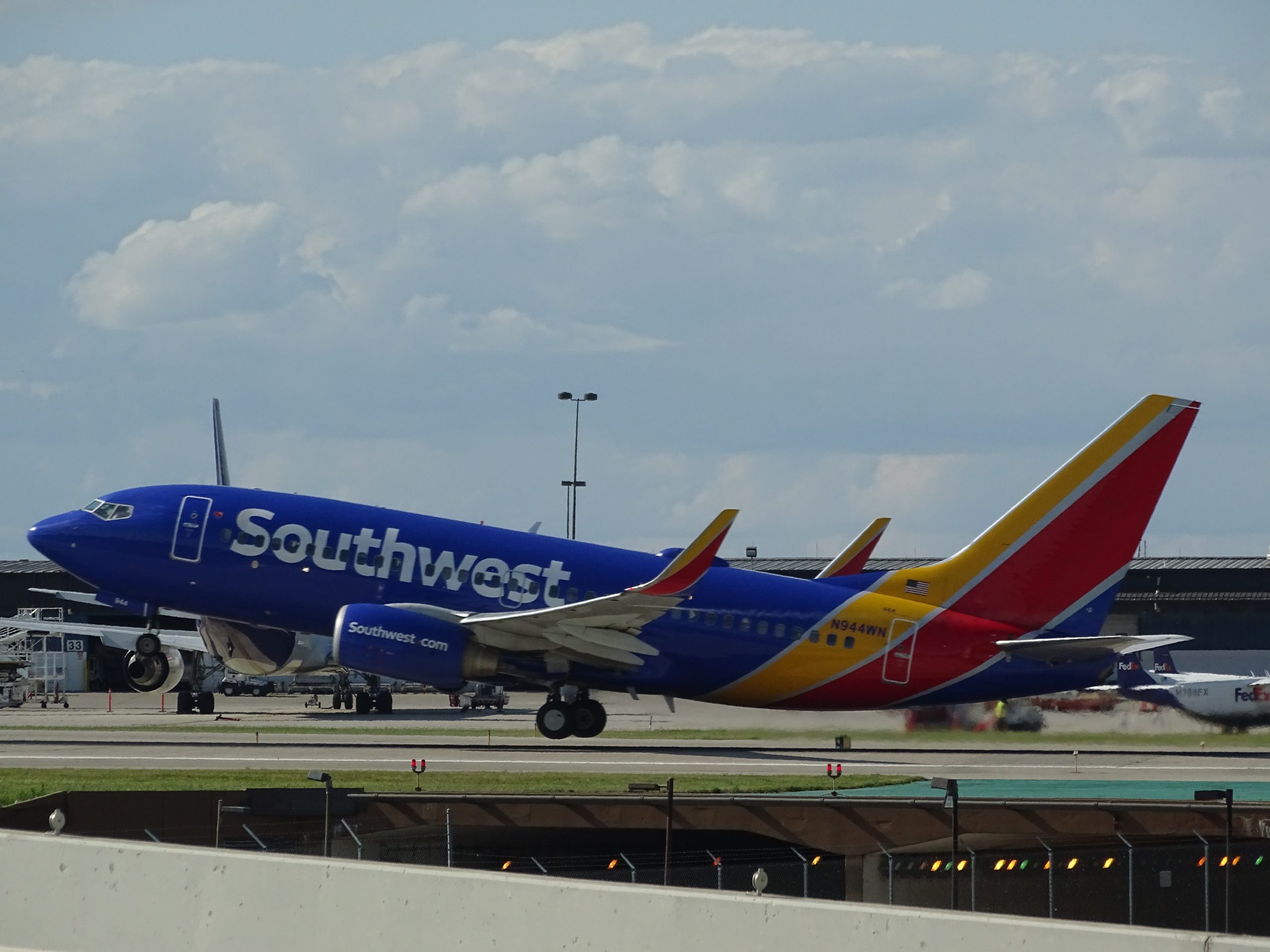
    Well, well, well, ladies and gentlemen, it seems that Southwest Airlines is finally joining the 21st century. In a groundbreaking announcement, they revealed that you can now track your checked baggage in their mobile app or on Southwest.com. Cue the applause and confetti, right?

    Southwest proudly declared this game-changing development on a platform that used to be called Twitter, but now goes by the name “X” because, you know, keeping up with the times is not really their thing.

    Now, let’s not give them too much credit for this technological leap. Delta, the airline that was ahead of the curve, introduced this nifty feature way back in 2011. Yes, you read that correctly, 2011. And even American Airlines managed to catch up, albeit a bit late to the party, in October 2015.

    But hey, at least Southwest is making some effort, and you have to give them credit for that. Earlier this month, the airline unveiled some customer-friendly updates to its popular Rapid Rewards loyalty program. Maybe they’re finally attempting to clean up their act and polish their image after enduring years of operational challenges and customer complaints. Or maybe they just realized it’s time to get with the program. Either way, it’s nice to see them making an effort to join us here in 2011… uh, I mean 2023.

  • Shocking Midflight Engine Shutdown Attempt: New Details Emerge

    Shocking Midflight Engine Shutdown Attempt: New Details Emerge

    In our previous report, we reported on a shocking incident that unfolded on Horizon Air Flight 2059, a regional carrier for Alaska, during its journey from Everett (PAE) to San Francisco (SFO). An off-duty pilot, Joseph David Emerson, seated in the jumpseat, allegedly attempted to shut off the engines mid-flight. The plane, an Embraer E175, was ultimately diverted to Portland International Airport (PDX), where Emerson was apprehended by law enforcement. The incident led to a laundry list of charges, including 83 felony counts of attempted murder, 83 misdemeanor counts of reckless endangerment, and 1 felony count of endangering an aircraft.

    Now, new details have emerged, shedding light on the harrowing events that took place on that fateful flight.

    The FAA’s Chilling Notice

    An FAA notice distributed to all U.S. airlines through its Domestic Events Network classified this as a “significant security event.” It disclosed that the “jump seat passenger” had attempted to disable the aircraft engines while the plane was at cruise altitude. This attempt was made by deploying the engine fire suppression system.

    In the Embraer E175, the fire handles, which are critical for controlling the engines, are located above the pilots on the ceiling. Pulling down the handle is a simple yet effective way to shut off fuel to the affected engine, quite literally halting the addition of fuel to the fire. This action, however, results in the engine’s immediate shutdown due to the lack of fuel supply. Rotating the handle after it’s pulled down activates two redundant fire suppression canisters; left for canister “A” and right for canister “B.”

    Alaska Air spokesperson Alexa Rudin revealed that, thankfully, some residual fuel remained in the line. The quick response of the flight crew, who reset the handles and restored fuel flow, averted a catastrophic fuel starvation.

    During the incident, the pilot flying the plane relayed a calm but chilling message to Portland air traffic control. “I’ll just give you a heads-up. We’ve got the guy that tried to shut the engines down out of the cockpit,” the pilot stated. “It doesn’t seem like he’s causing any issue at the back. I think he’s subdued.”

    From Level 4 Threat to Handcuffs

    As the plane approached Portland for its final landing, the air traffic controller sought verification of the threat level. The pilot flying responded, designating it as a “Level 4” threat, indicating a “breach of the flight crew compartment.” However, the situation evolved rapidly, with the pilot adding, “The threat is now in the back of the airplane, so we’ve reduced the threat level.”

    The crew, after a check-in with the flight attendants, informed air traffic control that the individual who had attempted to shut down the engines was “handcuffed and he’s in the aft back jumpseat for when law enforcement arrives, and right now he’s staying calm.” This “aft back jumpseat” is typically used by a flight attendant during landing.

    A Heroic Response

    Under the Federal Flight Deck Officer program, the Transportation Security Administration (TSA) deputizes qualified volunteer pilots as law enforcement officers to defend the flight deck of aircraft against acts of criminal violence and air piracy. This completely voluntary program, upon completion of specialized training, allows deputized pilots to carry a concealed handgun in order to protect their passengers. It’s currently unclear whether either of the pilots on this flight had such training or if they were carrying concealed weapons, but they certainly acted heroically to prevent a potentially catastrophic outcome.

    In a statement, the FBI assured the public that there is no ongoing threat related to this incident, while the FAA pledged its full support to law enforcement investigations.

    As the investigation unfolds, stay tuned for further updates as more details emerge.

    h/t Seattle Times

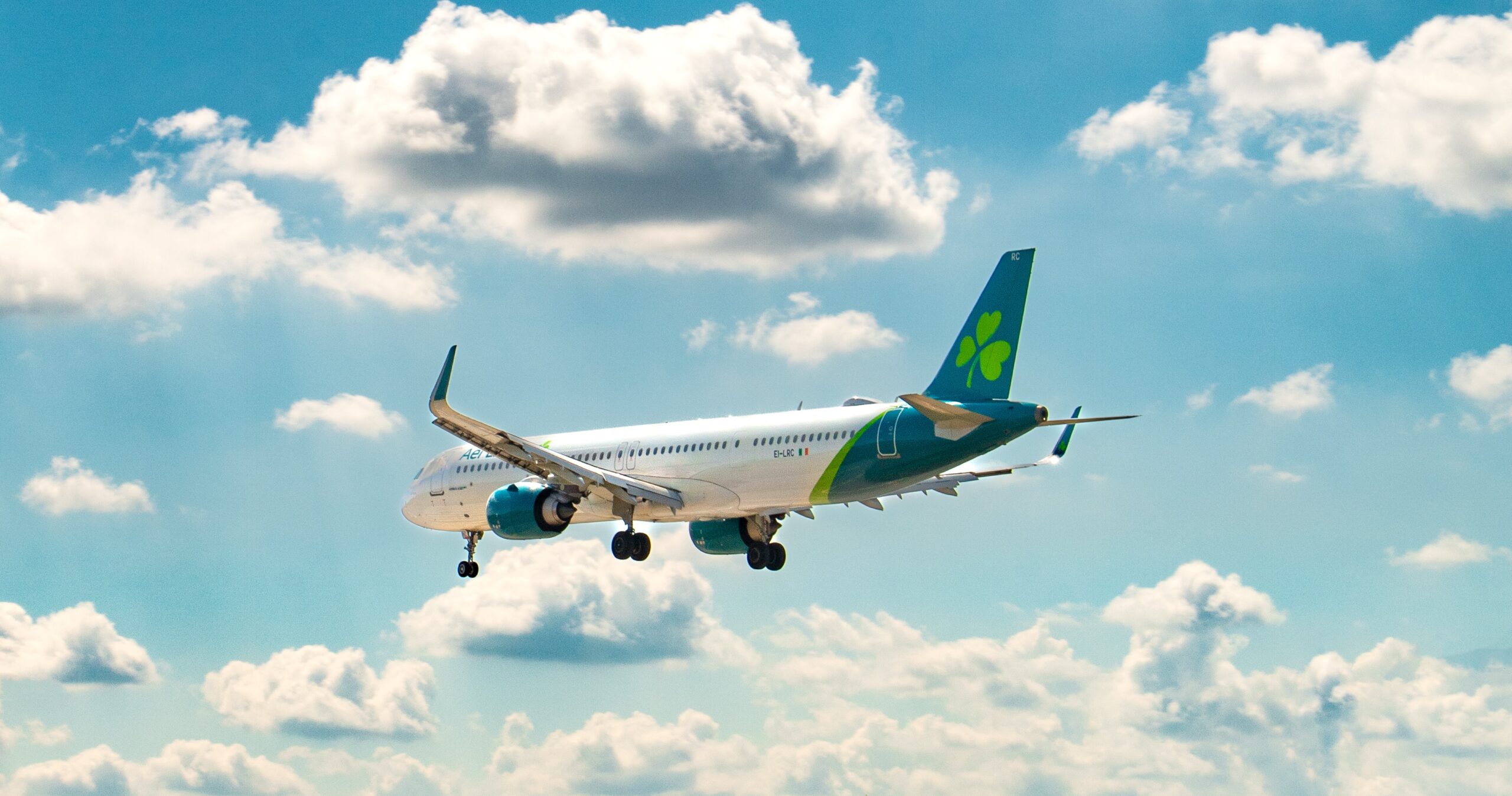
  • Aer Lingus Terminates United Codeshare – Will They Rejoin Oneworld?

    Aer Lingus Terminates United Codeshare – Will They Rejoin Oneworld?

    Aer Lingus surprised absolutely nobody by announcing the termination of its codeshare agreement with United Airlines. The implications of this move are far-reaching, especially for United MileagePlus members who will no longer be able to earn points by flying with Aer Lingus. But the ripples of this decision extend further, with implications for the Oneworld alliance and the transatlantic partnership landscape.

    Previously, British Airways Executive Club members could earn miles when flying on United, but it involved a convoluted points transfer process that involved earning Avios through Aer Lingus, and then transferring them 1:1 to BA. It’s worth noting that British Airways and United Airlines belong to different alliances – BA is a member of Oneworld, while UA is part of Star Alliance.

    In the wake of Aer Lingus ending its codeshare agreement with United, one thing is abundantly clear – American Airlines emerges as the victor in this scenario. With American becoming their sole US partner, the alignment between these two airlines strengthens, offering more travel opportunities and rewards for passengers. This comes the airlines began codesharing just last year, fueling speculation that the United partnership might come to an end. It’s a win-win for American Airlines and its loyal customers, but a loss for United loyalists.

    Interestingly, under the current arrangement, United members have been able to redeem their miles on Aer Lingus, but AA members have not. It’s unclear if this move will pave the way for AAdvantage members to redeem miles for Aer Lingus flights, or perhaps something much bigger…

    Beyond this immediate consequence, the question that lingers in the minds of industry observers is whether Aer Lingus is positioning itself for a return to the Oneworld alliance. This is not an unfounded thought; Aer Lingus was once a member of Oneworld before it parted ways in 2007, and has retained strong connections to the alliance, despite being officially neutral. A rumor circulating on FlyerTalk earlier this year suggested that Aer Lingus might be considering a return, with a potential rejoining date of Q2 2025.

    Aer Lingus has always been something of an oddball in the airline world. It’s the only full-service airline within the International Airlines Group (IAG) umbrella that isn’t a member of any alliance, let alone Oneworld. Given that IAG’s other legacy carriers, such as British Airways and Iberia, are longtime Oneworld members, it’s easy to see why many are speculating that Aer Lingus’s return to the fold might be in the cards. After all, it would make sense in terms of ownership and alignment.

    The termination of the United codeshare is just one piece of this complex puzzle. As the airline industry continues to evolve and adapt to changing market dynamics, it’s anyone’s guess what the future holds for Aer Lingus. Will they make the leap back into Oneworld, rekindling old alliances and forging new partnerships? Only time will tell, but for now, we can certainly keep our eyes on this intriguing development in the world of aviation.

  • Unthinkable Mid-Flight Scare: Pilot’s Attempt to Shut Down Engines Leads to 83 Counts of Attempted Murder

    Unthinkable Mid-Flight Scare: Pilot’s Attempt to Shut Down Engines Leads to 83 Counts of Attempted Murder

    YIKES! It’s not every day you hear about a pilot attempting something as harrowing as shutting down the engines mid-flight. But that’s exactly what happened on Horizon Air flight 2059 (a regional carrier for Alaska), flying from Everett (PAE) to San Francisco (SFO) with an Embraer E175. In an alarming turn of events, an off-duty pilot, Joseph David Emerson, found himself in the jump seat, that seat inside the cockpit reserved for deadheading crew or other authorized individuals.

    Emerson allegedly made a run for the engine shutoffs in an apparent attempt to crash the aircraft with everyone on board. Luckily, the flight ended up diverting safely to Portland International Airport (PDX), and the situation was brought under control. It’s unclear who subdued Emerson, but given that the cockpit door is locked from the inside, it’s likely the on-duty captain and first officer played a crucial role in containing the situation.

    If you’re curious to hear just how it went down, there’s an audio recording available on LiveATC. At 10:56 on the recording, you can hear the captain notifying air traffic controllers that the pilot in question had been subdued and was now located in the back of the aircraft. They also requested law enforcement to meet the flight upon landing.

    Upon landing, Emerson was promptly arrested, and the charges against him are nothing short of jaw-dropping. According to the Multnomah County Sheriff’s Office website, he’s facing a laundry list of legal troubles:

    • 83 felony counts of attempted murder
    • 83 misdemeanor counts of reckless endangerment
    • 1 felony count of endangering an aircraft

    Alaska Air Group issued a statement, thanking their crew for professionally handling the situation. They also expressed their appreciation for their passengers’ calm and patience throughout the event. Kudos to the crew for keeping their cool during this extremely tense situation.

    The crew secured the aircraft without incident. All passengers on board were able to travel on a later flight. We are grateful for the professional handling of the situation by the Horizon flight crew and appreciate our guests’ calm and patience throughout this event.

    Statement by Alaska Air Group

    This incident underscores the critical importance of ensuring that those with cockpit access are trustworthy beyond reproach, and there’s not even an appearance of a doubt as to their trustworthiness and professionalism. Will this alarming episode prompt changes in the industry to prevent similar incidents in the future? It’s a question worth pondering.

    One possible outcome could be the Federal Aviation Administration (FAA) reevaluating the use of jump seats and perhaps even banning nonessential personnel from occupying them. This, however, would likely require airlines to remove one seat from their inventory on all future flights, potentially resulting in some involuntary rebookings for passengers who already had their tickets. And let’s face it, this could lead to a rise in airfares – but safety is the #1 concern, always.

    In the wake of such a shocking event, we can only hope for a thorough review of security measures and procedures to ensure the safety and trustworthiness of those entrusted with the lives of passengers. After all, the skies should remain the last place we expect such chilling surprises.

    h/t Running with Miles, KATU Channel 2

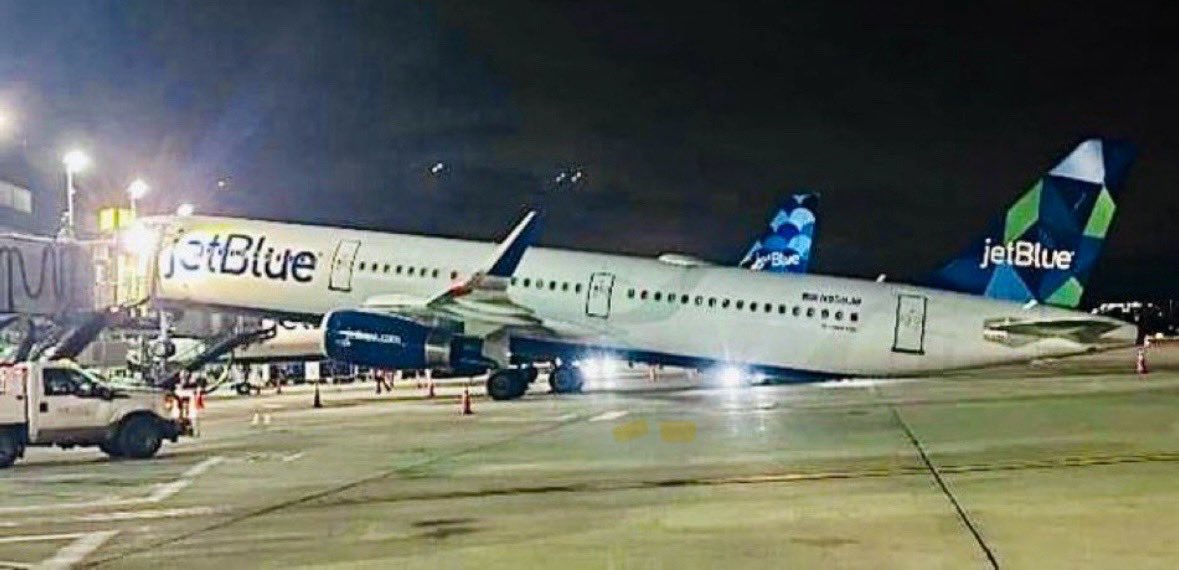
  • Breaking: JetBlue A321 Tips Backward at JFK

    Breaking: JetBlue A321 Tips Backward at JFK

    Just in, a surprising incident at JFK airport has caught the attention of aviation enthusiasts and travelers alike. Thanks to @xJonNYC, we’ve got a glimpse of the startling situation. Here’s what we know so far.

    Aircraft Information: The aircraft in question appears to be a JetBlue Airways Airbus A321, with the tail number N959JB. It had recently arrived from Bridgetown, Barbados (BGI).

    The Incident: What makes this situation intriguing is that the aircraft appears to have tipped backward while at the gate. This type of incident is relatively rare, and is sure to raise questions about what caused it. One possibility is that the center of gravity shifted to the aft, causing the aircraft to tilt. While the A321 rarely tips backwards like this, this issue is significantly more common with the Boeing 737-900, prompting the use of tail stands to prevent an incident like this.

    Passenger Situation: As of now, it’s unclear whether passengers were still on board the aircraft or if deboarding was in progress at the time of the incident. Fortunately, it doesn’t sound like there were any reported injuries, but we’ll have to wait for more information to confirm for sure.

    Ongoing Investigation: Many details surrounding this incident remain unclear, and it’s essential to exercise caution before jumping to conclusions. The FAA will undoubtedly conduct a thorough investigation to determine the cause and prevent such occurrences in the future.

    Stay tuned for updates on this intriguing event.

  • Why You Shouldn’t Use “Lord” or “Lady” on Your Frequent Flyer Accounts: TSA Doesn’t Find It Amusing

    Why You Shouldn’t Use “Lord” or “Lady” on Your Frequent Flyer Accounts: TSA Doesn’t Find It Amusing

    In the world of travel, we’ve all witnessed our fair share of unique requests and peculiar passenger stories. From passengers trying to bring emotional support peacocks on board to the endless battle over reclining seats, the airline industry is a treasure trove of oddities. But here’s a tale that takes the cake – a traveler’s decision to flaunt his recently acquired title of “Lord” led to some unintended consequences with the Transportation Security Administration (TSA).

    You see, thanks to the magic of the internet, you can now purchase a minuscule plot of land in Scotland or Ireland, measuring just one square foot, and be dubbed a “Lord” or “Lady” for the princely sum of approximately $35-50. The idea might sound like harmless fun, but when you decide to incorporate that honorary title into your frequent flyer account, you’re playing with fire.

    One adventurous American gentleman, whom we’ll call John Doe for the sake of anonymity, thought it would be a splendid idea to adopt the title of “Lord” on his British Airways Executive Club profile. BA, being the good sport it is, accepted this grandiose moniker as the man’s title/salutation without a fuss. However, when Mr. Doe encountered the TSA, they weren’t quite so accommodating.

    The TSA, renowned for its ironclad adherence to security theater procedures, wasn’t quite amused by the passenger’s newfound nobility. This seemingly frivolous title had created a mismatch with his Known Traveler Number (KTN) for TSA PreCheck. On his boarding pass, he appeared as “John Lord Doe,” and the TSA, well, they don’t appreciate any deviation from the script. Your name on the ticket must be an exact match with what you submitted when applying for trusted traveler programs like TSA PreCheck or Global Entry, as well as a match to government-issued ID. Even if you don’t use these programs, the new credential authentication (CAT) machines at the airport likely won’t be able to locate your reservation when your ID is inserted.

    What followed were hours of phone calls and negotiations with British Airways to rectify the situation. All for a fanciful title that probably had the opposite end result of what he intended.

    But here’s the kicker – these purchased titles of “Lord” or “Lady” may not hold much, if any, legal weight at all. The scheme has drawn the scrutiny of members of the Scottish Parliament who are quick to point out the sheer absurdity of it. As former Green Party Member of the Scottish Parliament, Andy Wightman, eloquently put it, “First and foremost, you are not the owner of any land in Scotland despite what this company might have led you to believe. You have also not been given any right to style yourself Lord or Lady of Glencoe. Highland Titles has no authority or power to bestow such a title on you.”

    Highland Titles, one of the companies behind this entertaining charade, insists that purchasing a plot of land grants you a “personal right” to that land, claiming it’s a “settled legal position.” However, with the backlash and the fine print now being amended on their website, they describe the whole affair as “harmless fun.” Over 300,000 “Lords and Ladies of Glencoe” exist, each having paid at least £30 (a little over $36 USD at time of writing) for their square foot of land in Scotland.

    So, while you’re welcome to play the lordly game and acquire your own square foot of Scottish soil, it’s probably best to leave your noble title off anything official enough (like an airline reservation) that might cause you unnecessary headaches with security or immigration.

    In the world of travel, the creative things people will try know no bounds, and this title fiasco serves as a humorous reminder that when it comes to air travel, simplicity (and humility) are often the best policy.