Category: Airlines

  • SAS to Exit Star Alliance, Join SkyTeam as Air France-KLM Acquires Stake

    SAS to Exit Star Alliance, Join SkyTeam as Air France-KLM Acquires Stake

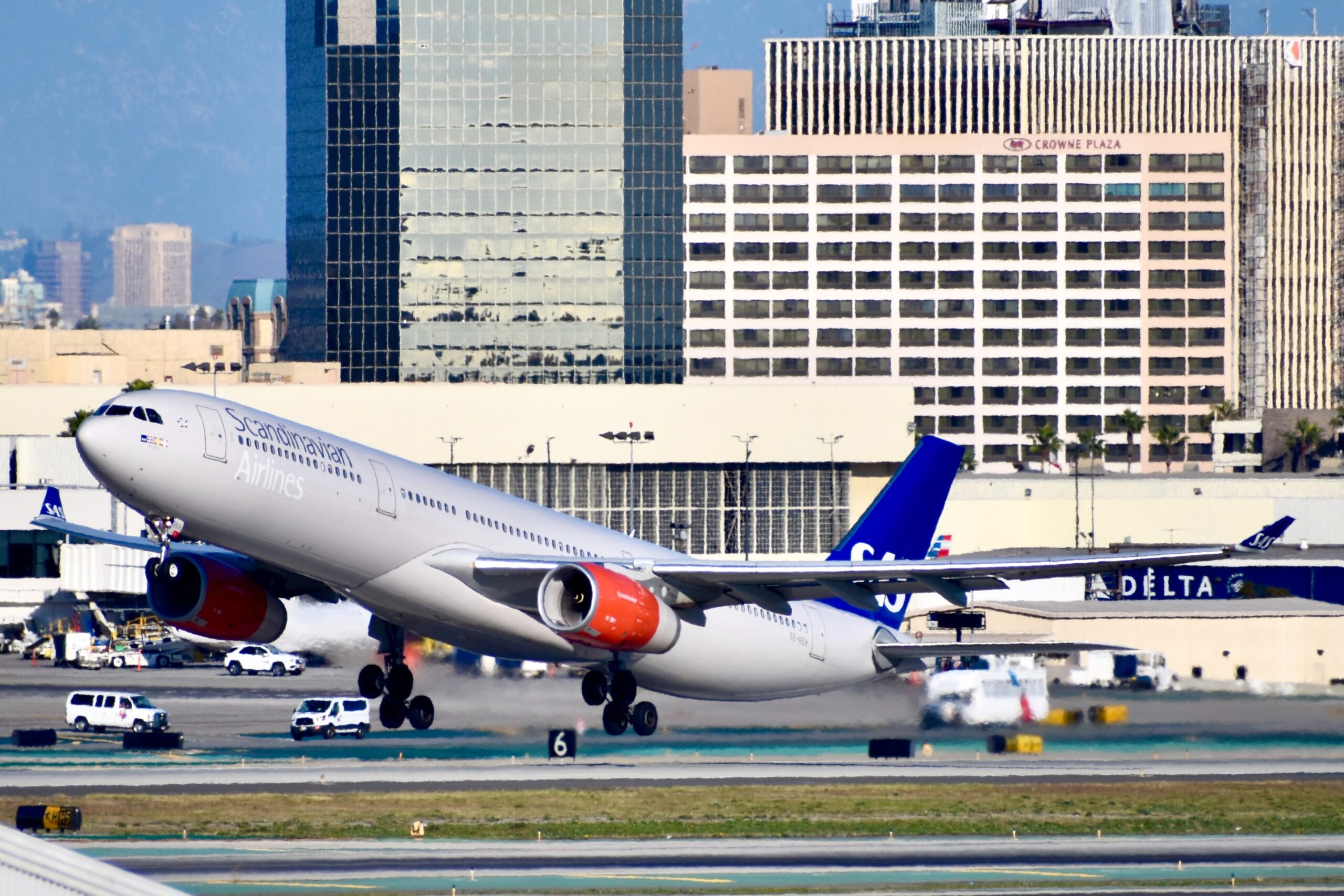
    In a surprising move, Scandinavian Airlines (SAS) has announced its intent to exit the Star Alliance, a coalition of airlines it helped found back in 1997. The news comes as Air France-KLM bids to acquire a non-controlling 19.9% stake in the beleaguered Scandinavian carrier, subject to approval by regulators.

    At first glance, this departure from the Star Alliance might seem shocking, given SAS’s historical role as one of its founding members. However, a closer look reveals the stark financial challenges that SAS has been grappling with since the onset of the COVID-19 pandemic. The airline’s struggle for survival has been so intense that it recently secured an extension of bankruptcy protection that will stretch into 2024. In light of these circumstances, SAS’s decision to seek a quick infusion of cash by selling a substantial stake in the company doesn’t come as a complete surprise.

    As of now, the specifics of this deal remain shrouded in mystery, with few details available to the public. However, one can reasonably expect SAS to continue operating under its own brand and identity within the SkyTeam alliance.

    For Star Alliance loyalists, this departure marks a loss, as SAS has been a familiar presence within the network for over two decades. On the flip side, this move bolsters the network strength of the SkyTeam alliance. It adds three new hubs to its roster, namely Copenhagen (CPH), Stockholm (ARN), and Oslo (OSL). Notably, this comes at a time when Dutch authorities are actively implementing flight caps at Amsterdam’s Schiphol Airport (AMS) as part of a deliberate strategy to shrink operations at the hub.

    This development takes place against the backdrop of a broader wave of consolidation in the European airline industry. Just recently, TAP Air Portugal was put up for sale as the Portuguese government seeks to privatize the state-owned carrier. The winds of change are blowing across the European skies, and SAS’s shift from Star Alliance to SkyTeam is a notable gust in this evolving landscape.

    While SAS has been an important part of the Star Alliance, the airline’s financial struggles and the need for a cash injection have made this unexpected move just a little less shocking. As we await more details about the implications of this shift, it’s evident that the European airline industry is in a state of flux, with consolidation and change on the horizon.
  • Controversial Flight Caps at Schiphol Spark Debate: Is There a Better Way?

    Controversial Flight Caps at Schiphol Spark Debate: Is There a Better Way?

    The largest airport in The Netherlands is about to get a lot smaller, as the Dutch government pushes forward with plans to cap the number of flights in a bid to reduce noise pollution and carbon emissions. The decision, set to take effect in 2024 pending approval from the European Commission, has stirred up quite a storm, with flag carrier KLM and airline industry groups vehemently opposing it. The government’s reasoning behind the cap encompasses concerns about noise pollution, greenhouse gas emissions, and logistical issues at the airport. But is there a more effective way to address these concerns without stifling air travel and potentially impacting passengers and the European economy? Let’s dive into the debate.

    The Flight Cap: A Harsh Reality for Airlines and Passengers

    Under the proposed cap, Schiphol Airport will see flights limited to 452,500 per year, a 9.5% reduction from 2019 levels and slightly lower than an earlier proposal of 460,000. Airlines, including Air France-KLM, have contested this move, arguing that it will harm their business and contravene previous agreements. KLM went as far as calling the cap “incomprehensible” and a threat to the Netherlands. Considering Schiphol is one of Europe’s most important economic engines, I’d be inclined to agree here.

    The government’s primary motivation for imposing the cap revolves around mitigating noise pollution, reducing greenhouse gas emissions, and resolving logistical challenges at the airport. These reasons have garnered support from environmental groups and even Schiphol itself. However, the airlines’ appeals to the Dutch Supreme Court, after a July appeal loss, highlight the contentious nature of the issue.

    Passenger Impact: Higher Fares and Fewer Nonstop Options

    The implications for passengers are profound. Schiphol serves as a critical global hub, connecting not only the Netherlands but all of Europe to the rest of the world. Many passengers transit through AMS on their way to various European destinations. Moreover, KLM, headquartered at AMS, plays a vital role in providing connectivity to smaller European airports, such as Aberdeen, Scotland (ABZ), where nonstop options to the mainland are limited. The flight cap raises questions about the viability of these services, which could translate into higher fares and fewer nonstop options for passengers.

    While 9.5% sounds like a small number, consider that in 2022, Schiphol welcomed 52.5 million passengers. A 9.5% reduction would displace approximately 5 million passengers over the course of a year. Taking 5 million seats out of circulation would undoubtedly cause fares not just to/from AMS, but to Europe as a whole to rise considerably.

    A Different Approach

    As we consider the implications of this flight cap, it’s worth exploring alternative approaches that might achieve the same environmental goals while preserving the viability of Schiphol as a global hub. Here are some thoughts:

    1. Promote Sustainable Aviation Fuel (SAF) and Fuel-Efficient Aircraft: Rather than restricting the number of flights, incentivize airlines to use SAF and deploy more fuel-efficient aircraft like the Boeing 787 Dreamliner or 737 MAX series. This approach tackles emissions directly without limiting air travel. Additionally, these aircraft are much quieter than their predecessors (tackling the noise issue) and feature lower operating costs and a better passenger experience. It’s a win-win for everyone involved.
    2. Implement a Carbon Offset Tax: Instead of flight caps, the Dutch government could implement something similar to the UK’s Air Passenger Duty (APD) and use the funds collected towards carbon offset activities. This would also allow the Dutch government, similar to the UK, to implement this selectively based on various criteria (for example, taxing O&D passengers without impacting the massive transit operation at Schiphol).
    3. Restrict Private Jets: If environmental concerns are paramount, consider that private jets emit considerably more CO2 per seat mile flown than a commercial flight. Some major airports already have restrictions on private aviation for operational reasons, and given the logistical issues already present as Schiphol, this would be a great “two birds with one stone” strategy.
    4. Consider the Big Picture: Recognize that climate initiatives can’t exist in isolation. Understand that limiting flights at Schiphol may simply redirect air traffic to other regional hubs, leading to more emissions due to additional stops in itineraries. Travel demand is higher than it’s ever been, and I can’t see this new rule slowing it down in any meaningful way; rather, passengers will connect through alternative hubs like CDG or Heathrow. It’s a lose-lose-lose scenario; passengers lose convenience & choice, airlines lose revenue, and the environment loses with more emissions.

    Bottom Line

    The decision to cap flights at Schiphol Airport has sparked intense debate, pitting environmental concerns against the economic and practical realities of air travel. While these concerns have validity, it’s essential to explore alternative approaches that balance environmental goals with the needs of passengers and businesses, instead of jumping to conclusions and implementing blanket, one-size-fits-all “solutions.”

  • Southwest Stowaway: The Mystery Passenger Who Defied the Odds

    Southwest Stowaway: The Mystery Passenger Who Defied the Odds

    A recent Southwest Airlines flight to New Orleans (MSY) encountered an unexpected passenger that left everyone scratching their heads for over 40 minutes. It’s a tale that highlights the quirks of the airline’s unique open seating policy and raises some questions about airport security.

    Picture this: The flight’s manifest showed one fewer passenger than there were individuals physically present on the plane. To make things even more puzzling, reports suggest that the flight was completely sold out, so there weren’t enough seats for everyone on the aircraft. So, how did this happen? Well, it turns out there was a stowaway among the passengers, and she wasn’t exactly eager to come forward. After all, she apparently had a Beyoncé concert to get to.

    With Southwest Airlines’ open seating policy, identifying the rogue passenger wasn’t as straightforward as comparing occupied seats to seat assignments. There were no assigned seats in the first place. So, the airline had to resort to a more labor-intensive process. They enlisted the help of the cabin crew to get to the bottom of this perplexing situation, but the stowaway remained tight-lipped.

    https://twitter.com/Cee_dot_Moody/status/1706891808347689394

    As a result of the lack of assigned seating, it took a whopping 40 minutes of ID checks for the airline to finally pinpoint the mysterious woman nestled in the back of the plane – a passenger who was, in fact, not supposed to be there. It’s certainly interesting they appear to have carried this process out on the plane itself; on the (very) rare occasion I’ve been on a plane where there was any question as to the passenger manifest, it’s been handled by having everyone deplane, and scanning back onto the aircraft one-by-one. Perhaps with the first-come, first-served seating policy, the airline didn’t want to anger anybody by taking away the seat they rushed to snag?

    Now, you might be wondering how this individual managed to slip through the airport security checkpoint in the first place. After all, she would have had to show her ID and possibly her boarding pass, right? It’s not entirely clear how she navigated this hurdle. There are few ways this could have happened, but the most plausible answer is that she entered the TSA checkpoint on a valid reservation, and cancelled once inside; many fare classes on US airlines allow changes, cancellations, and even refunds until the door is closed, even if you’ve already checked in & cleared TSA. While it’s unclear where the flight departed from, some airports like MCO and TUL also offer free visitor passes, allowing the general public to proceed through TSA like a normal passenger to planespot, accompany family, or explore the terminal.

    However, the real head-scratcher is how she managed to board the Southwest flight without a boarding pass for that specific flight. Normally, you’re required to show your boarding pass, have it scanned, and the system is supposed to electronically validate that you’re indeed on the flight you’re trying to board. Yet, somehow, this woman slipped through the cracks and blended in with passengers who had successfully cleared this hurdle.

    One also has to wonder, especially with an open seating policy, how often this kind of incident occurs on Southwest and never gets detected. My hunch is had the flight not been completely full, this passenger likely would have gotten away with this unnoticed. Clearly, this woman did her homework in order to get as far as she did – perhaps she would have done well to at least check the load factors to make sure the flight wasn’t, you know, completely full? Either way, Southwest has some room to learn from this incident and implement new measures to make sure similar incidents can’t happen in the future – perhaps through turnstiles at boarding gates, or simply counting the number of empty seats as soon as boarding ends. Or maybe, just maybe, they end their open seating policy once and for all.

    The incident leaves us with more questions than answers. How did she get past security? How did she manage to board the plane without the necessary documents? And why did it take a whole 40 minutes to sort out this bewildering situation? One thing’s for sure; this unusual tale from the friendly skies raises serious concerns about airport security and the potential for gaps in the system that allow unexpected passengers to join the journey.

    (h/t: View From the Wing)

  • British Airways A380 Pilot’s Wild Night: From Cocaine-Fueled Revelry to Grounded Career

    British Airways A380 Pilot’s Wild Night: From Cocaine-Fueled Revelry to Grounded Career

    Reader discretion is advised – we try to keep things PG-13 here at Points and PDBs, but this article describes the actions of a pilot which may be explicit.

    In the latest episode of “Airlines Gone Wild,” we have a British Airways First Officer, Mike Beaton, who decided to embark on a debaucherous adventure before a flight from Johannesburg O.R. Tambo Airport (JNB) to London-Heathrow Airport (LHR) – flight BA56, operated by an Airbus A380-800. The Sun reports that Beaton’s escapades included snorting cocaine off a woman’s bare breasts – a detail that would make even the most seasoned travelers gasp.

    According to The Sun, Beaton was far from discreet about his wild night, gleefully sharing the sordid details with a flight attendant friend. He even admitted, “I’ve been a very naughty boy.” Well, Mike, a broken clock is right twice a day!

    Beaton’s night of hedonism began innocently enough, with a night out in Johannesburg. He met a female Welsh holidaymaker and a “young Spanish bird” at a nightclub, and things quickly escalated from there. “We all walk (stagger) back up to the hotel bar for ‘one last one before bed,’” Beaton bragged. It’s unclear what BA’s “bottle to throttle” policy is, but one has to wonder if he broke it right here.

    However, the night took a scandalous turn when Beaton and his companions ended up at a local dude’s apartment. In Beaton’s text message exchange, he goes on to note that “Welsh” decided he should be her boyfriend, and describes in vivid detail how the group performed a sex act on “Spanish” atop a sofa.

    Amidst the topless dancing and questionable decisions, Class A drugs made their entrance. Beaton enthusiastically shared, “I’ve lost my shirt somewhere and one of the local lads produces a plate with a few lines of coke. So then there’s a debate about whose chest is the best to do a bump off.” And that’s how our protagonist found himself in the peculiar position of snorting cocaine off a woman’s chest in Johannesburg.

    After this eventful evening, Beaton managed to stay with the Welsh holidaymaker, but his excesses clearly caught up with him. He lamented, “Stayed the night with Welsh, sh** her for ages (I guess the coke played a part) and then was so f** I couldn’t even lift my head until gone 2.” Ouch.

    Not surprisingly, Beaton’s confessions to his FA friend didn’t stay secret for long. Maybe he thought his actions would earn him some street cred with his colleagues, but those very colleagues had a commitment to safety to uphold. Appalled by his behavior, his colleague reported him to British Airways, who swiftly canceled the flight, estimated to cost the airline GBP £100,000. Beaton was suspended, flown back to the UK as a passenger, and subjected to a drug test at Heathrow, which sealed his fate.

    It’s safe to say that Beaton’s career as a pilot has crash-landed. His antics not only violated the law but also brought unwanted attention upon British Airways. As one airline source put it, “This pilot has hoisted himself by his own petard.” The British Airways First Officer had a duty to protect the safety of passengers, but instead, he chose a path of recklessness.

    This isn’t the first time we’ve heard of BA crew members going wild on layovers. From Miami strip club arrests to sexual assault allegations in Singapore, British Airways has had its fair share of high-flying scandals. Not to mention, last year, staff were banned from all-inclusive deals in the Maldives after a flight attendant passed out drunk on a beach. Talk about a wild ride!

    Despite Beaton’s misadventures, British Airways assures us that there was no risk to passengers during his Johannesburg binge. They promptly informed the Civil Aviation Authority (CAA), which withdrew Beaton’s medical certificate, effectively grounding him for good. They have also confirmed that Beaton is no longer employed by the airline.

    In the end, Mike Beaton’s wild night out was more than just a bad decision; it was the end of his aviation career. His license to fly has been revoked, and he’s left with nothing but memories of his infamous cocaine caper. In the world of aviation, it’s a reminder that even the highest fliers can come crashing down when they lose sight of their responsibilities.

  • Terrible: Longtime AA Flight Attendant Found Dead in Airport Hotel

    Terrible: Longtime AA Flight Attendant Found Dead in Airport Hotel

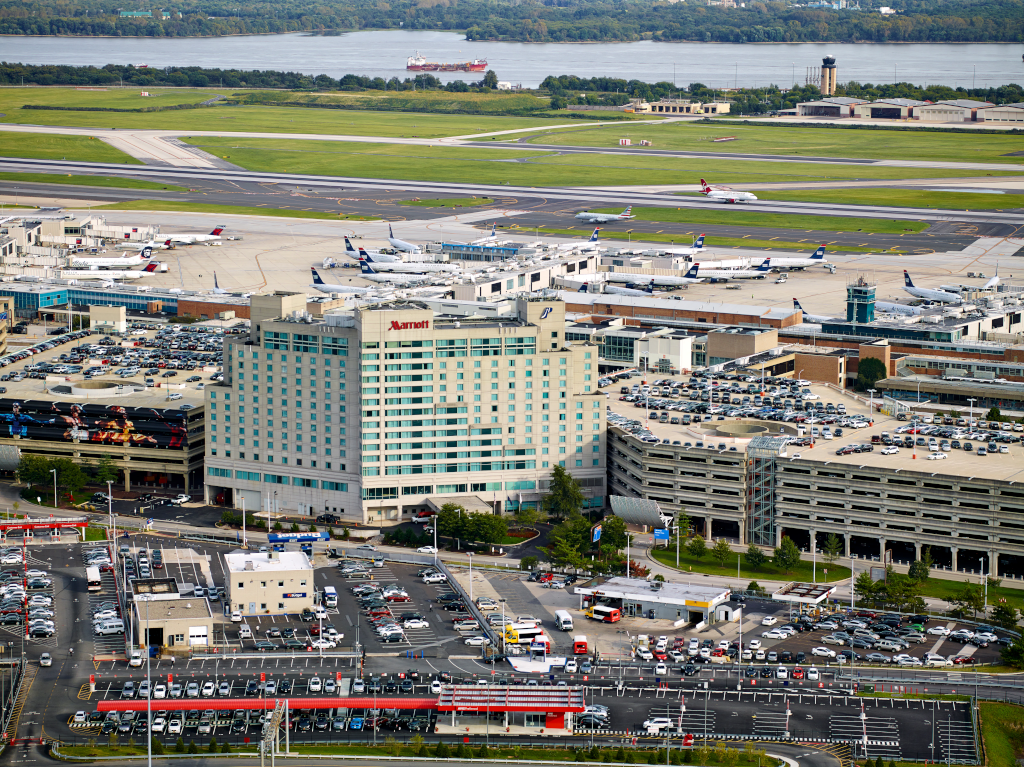
    A 66-year-old American Airlines flight attendant was discovered lifeless in her Philadelphia Airport Marriott hotel room during an overnight layover. The circumstances surrounding her death have raised many questions, and left her colleagues traumatized.

    The veteran flight attendant, who had dedicated 25 years of service to American Airlines, had been on a domestic work trip, sharing the journey with the same crew for a couple of days. They arrived in Philadelphia for a brief overnight stay. However, when she failed to check out on time, the situation took a distressing turn.

    Housekeeping staff made the grim discovery a whopping two days after her expected departure, prompting concerns about the delay in checking on her well-being. While investigators found no signs of forced entry or struggle in her room, they did uncover ‘numerous’ medication bottles. Additionally, a sock was found in the woman’s mouth, raising additional questions as to the circumstances of the death.

    The entire crew, deeply affected by the tragic loss of their colleague, faced an agonizing dilemma. Despite concerns for her safety, they were required to board a flight without first ensuring her welfare. One crew member made two calls to the hotel to check on her but was unable to return to the hotel due to flight procedures and minimal crew availability.

    A heartfelt social media post from a crew member as reported by Paddle Your Own Kanoo shed light on the harrowing experience: “First of all, I’m deeply sorry for the loss of our dear coworker! My heart goes out to the family and any loved ones. It is midnight, and I cannot sleep, and cannot stop thinking about it! At this moment, my heart is pounding, and I can’t express how I feel. I am just as shocked as everyone.”

    The post also pleaded for understanding, stating, “Please, please do not blame the crew. We were on the crew, and we are more traumatized than you can imagine.”

    While the circumstances are indeed tragic, the airline and hotel are facing scrutiny for the amount of time it took to check on the flight attendant’s welfare. Authorities are treating the incident as suspicious, and an autopsy is pending.

    In an internal memo, American Airlines expressed its condolences and emphasized the importance of the well-being of its team members: “The well-being of our team members is our top priority, and we will ensure that all those affected by this tragic loss have the support they need.”

    This incident sheds light on the challenging and often stressful conditions that flight crews can face during their duties. It highlights the need for better protocols and support for these dedicated professionals. It’s even more shocking that despite calls to the hotel from the woman’s colleagues, it took two days for someone to go and perform a wellness check. American definitely has a lot of room to do better in handling situations like these.

  • Strange: Condor Brings Transatlantic Service to… San Antonio?

    Strange: Condor Brings Transatlantic Service to… San Antonio?

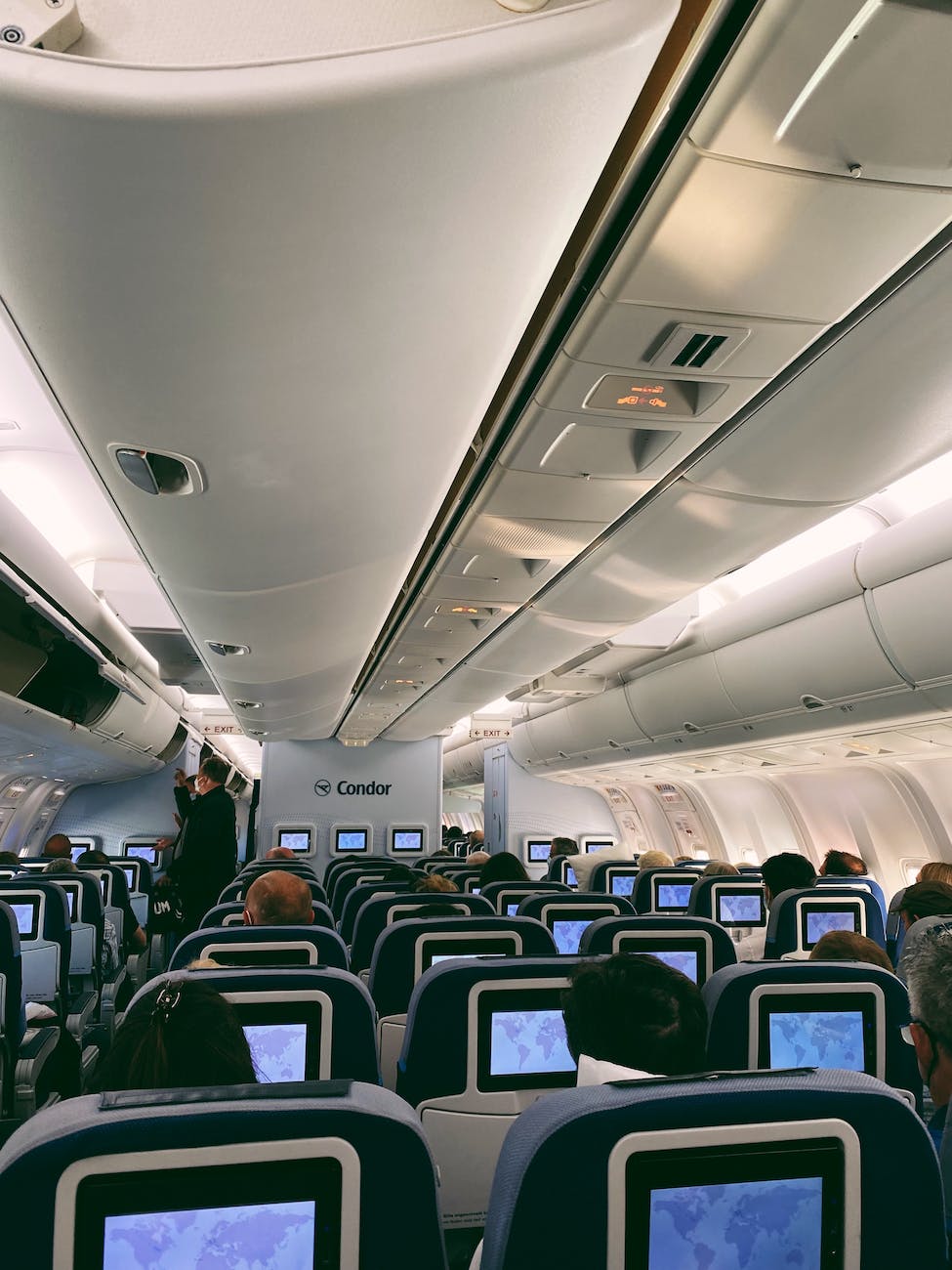
    In a significant development leaving many scratching their heads, Condor Airlines is set to introduce the first-ever long-haul service from San Antonio International Airport (SAT) to Frankfurt, Germany (FRA). Beginning in May 2024, travelers from the Alamo City will have the opportunity to embark on a journey across the Atlantic Ocean, connecting South Texas to Europe without the hassle of a layover.

    During a recent news conference, San Antonio’s Mayor Ron Nirenberg expressed his excitement, saying, “San Antonio, it is finally happening May of 2024. Get ready to fly to Europe.” This milestone flight, covering a distance of over 5,000 miles, will mark a historic moment for San Antonio, as the city’s airport opens its first direct route to Europe, an achievement described in a news release as “the most important thing to happen to San Antonio.”

    Condor Airlines plans to operate this service three times a week, with flights departing on Mondays, Wednesdays, and Fridays, making it a convenient option for travelers looking to explore Europe or visit friends and family across the pond. The airline will deploy the Airbus A330-900neo for this route, offering a total of 310 seats, which includes 30 in business class, 64 in premium economy, and 216 in economy class. This seasonal route will be available from May 17 through September 6 next year.

    City Manager Erik Walsh highlighted the collaborative effort that brought this project to fruition, stating, “I will tell you that this has been hard, and we work as a team every single day. I will also tell you that that teamwork has led us to today’s news and this transformative announcement.”

    San Antonio International Airport currently provides international flights primarily to various destinations in Mexico, including Cancun, Guadalajara, Leon, Mexico City, and Monterrey, served by carriers like Aeromexico Connect, Southwest, Sun Country (seasonal), VivaAerobus, and Volaris. However, with the introduction of Condor Airlines’ service to Frankfurt, the airport is poised to elevate its international connectivity.

    Interestingly, an August report from MySA shed light on the incentives offered to airlines in an effort to attract direct flights to Europe. Local businesses, including H-E-B, USAA, Holt Cat, and Frost Bank, collectively raised more than $2 million to make this initiative a reality, as reported by the San Antonio Express-News.

    However, as we look at the broader context and potential challenges, some questions arise. Why choose SAT when Austin’s Bergstrom Airport (AUS), just a little over an hour’s drive away, already provides access to a range of transatlantic flights, including British Airways to London Heathrow, KLM to Amsterdam, and Lufthansa to Frankfurt? Critics wonder why Condor would opt for SAT when these services are readily available to the traveling public at AUS.

    Additionally, skepticism surrounds the long-term viability of this venture. SAT, characterized by its modest size and facilities, has faced criticism for its limited concessions and less-than-stellar customer service, spanning from rude TSA interactions to the behavior of airline staff. Some travelers may find themselves pondering whether the airport can sustain enough traffic to Frankfurt to support this new route over the long run.

    Furthermore, the millions of dollars in incentives that have facilitated this groundbreaking seasonal service raise questions about its sustainability. Once these incentives expire, it remains to be seen whether Condor Airlines will continue to operate this route or if it will ultimately be discontinued after the initial season concludes in September 2024.

    As San Antonio prepares to welcome its first long-haul European flight, the success and impact of this new service will be closely watched by both travelers and aviation enthusiasts. Whether Condor’s gamble on SAT proves to be a visionary move or faces challenges down the runway, only time will tell.

  • Southwest Airlines Faces Capacity Crunch at Orange County Airport

    Southwest Airlines Faces Capacity Crunch at Orange County Airport

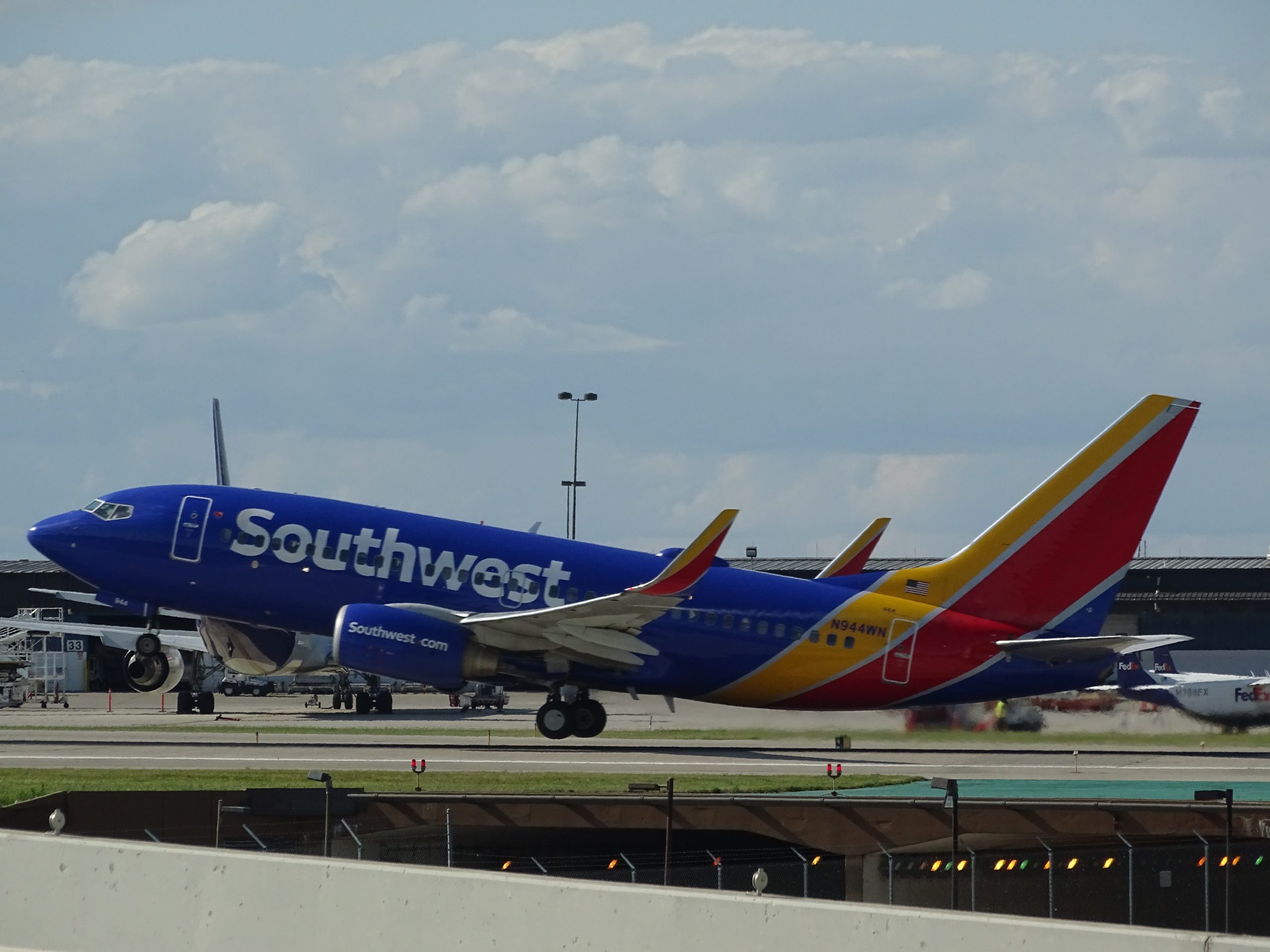
    Southwest Airlines is facing a predicament at Orange County’s John Wayne Airport (SNA), where it seems like airline passengers might not be the airport’s favorite crowd – a rather ironic twist considering it’s, well, an airport.

    Back in 1985, noise concerns prompted a settlement that imposed restrictions on airport operations to the south. While modern planes have significantly reduced noise levels, there are still curfews in place, especially for late-night and early-morning departures (with Sundays having restrictions until 8 a.m.). The Board of Supervisors in Orange County has also set annual passenger limits for the airport, which translates into a slot program. Curiously, these passenger limits, though now framed as environmental concerns, tend to reward airlines for flying planes with empty seats.

    Southwest Airlines, being the biggest player in the game at Orange County Airport, found themselves with a reduced allocation of 44 daily departures for 2023, down from 57 flights in the previous year. The airport’s method for determining these allocations is pretty straightforward – they take a guesstimate of how full flights will be and use that to back into the current cap of 11.8 million allowable passengers. And that’s how many flights they’ll allow.

    However, it seems like Southwest has been a bit too optimistic with their seat-filling strategy, as they’ve recently informed their employees that they’ve got a situation to handle in Orange County. In an attempt to balance the need for adequate commercial air transportation facilities with the local community’s desire for environmentally friendly operations, Orange County’s SNA airport has mandated that all airlines must reduce capacity on flights to and from the airport for the remainder of the year. As a result, Revenue Management has decided to put the brakes on the lid for Southwest’s SNA flights operating between September 9 and December 21, 2023. Existing reservations remain unaffected.

    In an effort to balance the needs of the Orange County community for adequate commercial air transportation facilities and the desire of the local community for environmentally responsible air transportation operations, SNA is requiring all airlines to reduce capacity on flights traveling to/from the airport through the end of the year. As a result, Revenue Management has lowered the lids on our SNA flights operating between September 9 and December 21, 2023. This will not impact existing reservations. Employees should not overbook any SNA flights through December 31, 2023.

    Now, what’s really interesting is how these restrictions play out in practice. Some flights are still selling tickets to as many as 143 or 175 passengers (the maximum capacity of Southwest’s 737-700 and -800/MAX 8 series aircraft, respectively) without any cap, while others have their passenger counts limited to 100 or, in some cases, a mere 79 passengers! If you happen to be flying in and out of Orange County’s John Wayne Airport, you might just get lucky with an empty middle seat beside you.

    But, here’s the thing – it’s essential to reiterate this point: flying planes with empty seats isn’t necessarily a win for the environment. In reality, it might even be worse. The plane is still up in the air, and folks still need to reach their destinations via alternative means. So, it’s a puzzle that needs solving, but the solution might not be as straightforward as it seems.

  • Delta’s SkyMiles Program Takes a Hard Turn, Leaving Flyers Fuming

    Delta’s SkyMiles Program Takes a Hard Turn, Leaving Flyers Fuming

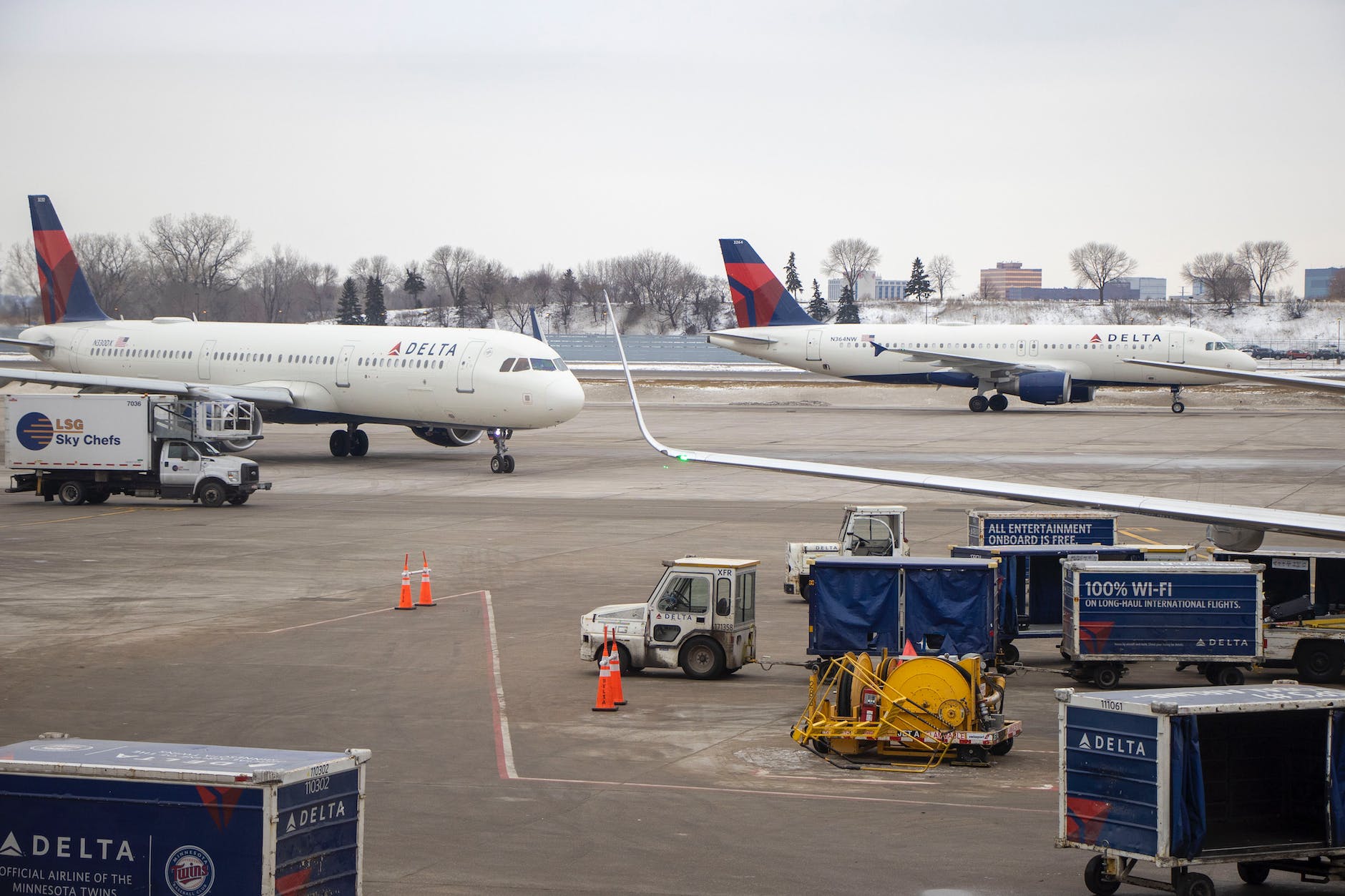
    Well, folks, it’s official. Delta has finally pulled the trigger on changes to its SkyMiles loyalty program that many of us had dreaded for a while. The rumor mill has been churning, and it turns out the whispers were right on the money. Brace yourselves, because this isn’t a story with a happy ending.

    The Unfriendly Shift: Going All-In on Revenue-Based

    Let’s cut straight to the chase. Delta is ditching its old loyalty program and going full steam ahead with the revenue-based model. Forget about those MQMs you’ve been hoarding; it’s all about the cold, hard cash you’re willing to part with now. Your Medallion Qualification Dollars (MQDs) are the new golden ticket, and it’s leaving a sour taste in the mouths of loyal Delta customers.

    If the shift to revenue-based alone doesn’t alienate travelers, the new MQD thresholds might. Obtaining lowly Silver Medallion status will now require $6,000 in MQDs, with Diamond now requiring a whopping $35,000 in MQDs. For comparison, $50k is widely considered the threshold to be considered for American’s secretive, invite-only ConciergeKey status. Sure, they’re calling it “simplification,” but to many, it feels more like a cash grab.

    SkyClub Access Limited Even Further

    On a busy news day like today, this merits a whole separate post, but we’d be remiss not to mention the new restrictions on SkyClub access with select AmEx cards.

    The Devil’s in the MQD Details

    Earning that elusive Medallion Status for 2025 (not 2024, mind you) now means you’ll need to focus solely on accumulating MQDs. In other words, if you’re not spending big bucks with Delta, you can kiss your Medallion Status goodbye. Flights, spend from select Amex Cards, car rentals, and Delta Vacations experiences are your only lifelines now. Miles flown? That’s so last season.

    But hey, if you’re clinging to your stash of Rollover MQMs from 2023, there’s a lifeline of sorts. In early 2024, Delta will generously allow you to convert them into redeemable miles, MQDs, or a mix of both. How generous of them!

    Million Milers Get a Boost

    For those who’ve put in the blood, sweat, and tears (and countless hours on Delta flights) to reach the million-mile milestone, here’s your reward: you move up a notch in Complimentary Upgrade priority, landing in third place.

    RIP MQD Waiver and Status Boost

    Delta SkyMiles American Express Cardholders, you’re in for a rough landing. The beloved MQD Waiver and Status Boost benefits are getting axed come December 31, 2023. Instead, members of the Delta SkyMiles® Reserve American Express Card and the Delta SkyMiles® Reserve Business American Express Card accumulate 1 MQD for each $10 they spend, while those with the Delta SkyMiles® Platinum American Express Card and the Delta SkyMiles® Platinum Business American Express Card earn 1 MQD for each $20 in purchases. Currently, there is no limit to the number of MQDs that may be obtained via this method, but it’s certainly not a 1:1 accumulation like AA’s Loyalty Points scheme.

    International SkyMiles Members: Welcome to the Pain

    For our international SkyMiles comrades, there’s no escaping the harsh reality either. Until now, you were earning your Status using MQMs or MQSs, but starting January 1, 2024, you’ll join the MQD club. Your foreign currencies will be mercilessly converted to USD at standard exchange rates and then turned into MQDs at a 1-to-1 ratio. No more gaming the system, folks.

    So, here we are, at the crossroads of disappointment and disillusionment. Delta’s gamble with these drastic changes may well send a wave of disgruntled flyers to rival airlines like United and American – which while both these programs are also revenue-based, they don’t sting quite as much as the new Delta program. And while American’s switch to Loyalty Points in 2022 angered many at first, their innovative approach to revenue-based status is interesting and (dare I say) has actually put the fun back into earning status.

    As the rumor mill predicted, the future for SkyMiles members is looking a lot less friendly. Keep your seatbelts fastened, folks; it’s going to be a turbulent ride ahead.

  • American Airlines’ Stand Up to Cancer Campaign: Miles for a Cause, But Not for Status

    American Airlines’ Stand Up to Cancer Campaign: Miles for a Cause, But Not for Status

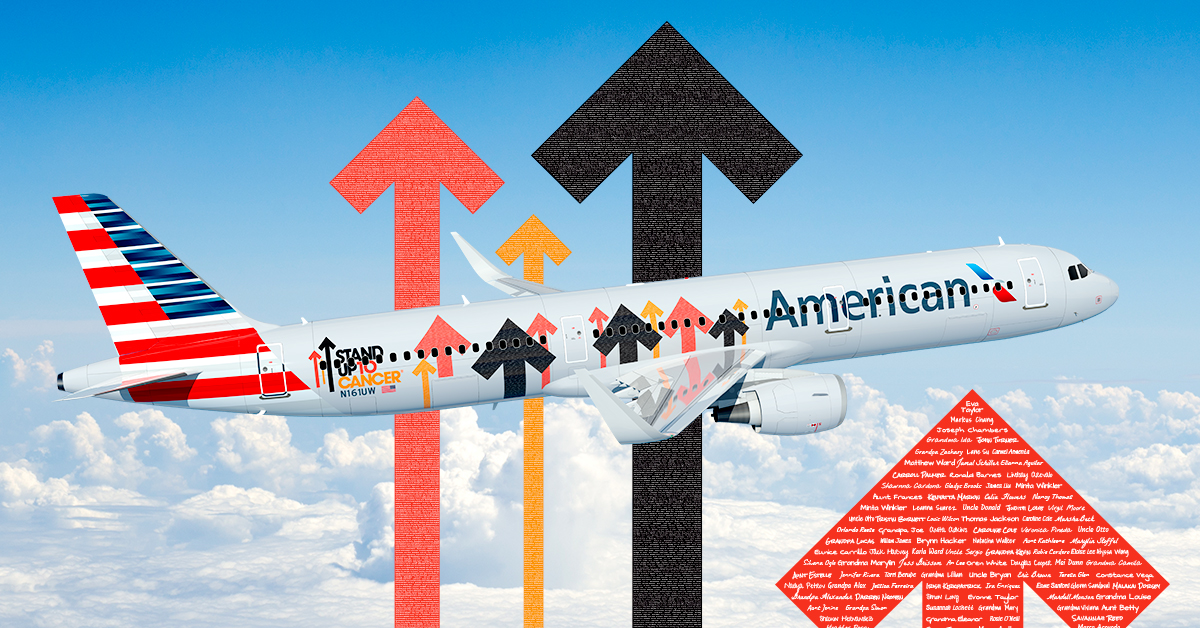
    American Airlines has once again caught our attention with their latest collaboration, once again partnering with Stand Up to Cancer for a charitable promotion that offers a unique way to give back while earning AAdvantage Miles. For those who frequently find themselves at 30,000 feet, this could be an opportunity worth considering. However, as always, the details matter, and it’s important to understand the nuances of this promotion before diving in.

    The heart of the promotion lies in the ability to earn up to 50x AAdvantage Miles for contributions to cancer research. Admirable, indeed. For donations of $25 or more, American Airlines is offering a respectable 25x AAdvantage Miles as a token of gratitude. But the rewards don’t stop there. If you’re wielding an American Airlines AAdvantage Mastercard and your donation falls between the $25 to $10,000 range, you’re in for a treat – a whopping 50x miles.

    Now, before you whip out your credit card and start racking up those miles, there are some key points to consider. This promotion is live until September 30, 2023, or until the $3 million donation threshold for the 50x miles tier is reached. Be aware that patience is the name of the game – those hard-earned bonus miles might take up to twelve weeks to finally make their way into your account.

    Here’s where it gets interesting. While each AAdvantage Mile is valued at 3 cents for the purpose of charitable deductions, it’s worth noting that this could have implications on your tax deductibility. Now, I’m no CPA, but it’s probably a good idea to consult one before you start counting those miles as deductions on your tax return.

    One detail that’s of particular interest to the frequent flyers out there is whether these bonus miles contribute to elite status. Well, folks, I hate to burst your bubble, but these miles are firmly in the “bonus miles” category, and that means they won’t help you inch any closer to that coveted elite status level. Since rolling out Loyalty Points in 2022, AA has used the term “bonus miles” to indicate that you’ll accrue only redeemable award miles – not LPs. So, if you’re eyeing this promotion as a shortcut to elevate your loyalty, you might want to rethink that strategy.

    In the grand scheme of things, if you’re already considering donating to cancer research and have some spare change to throw in the ring, this promotion could be a nice little cherry on top. However, for those aiming to pad their loyalty points tally, it’s essential to recognize that these miles won’t pave the way to elite status. Like a good pilot, it’s wise to have a steady hand on the controls – in this case, a clear understanding of the promotion’s ins and outs – before you take off into the wild blue yonder of charitable giving and AAdvantage Miles.

  • Seeing Red: Startup Red Way Airlines Calls it Quits

    Seeing Red: Startup Red Way Airlines Calls it Quits

    Well, well, well, folks. In a move that has shocked absolutely no one, the airline industry is bidding adieu to the latest aspiring player on the field. Red Way Airlines, based out of the bustling metropolis of Lincoln, Nebraska (LNK) – because nothing screams “hub of the future” like Lincoln – has officially thrown in the towel after a staggering run of under three months.

    Remember that time Sir Richard Branson quipped, “If you want to be a Millionaire, start with a billion dollars and launch a new airline”? Well, it seems like Red Way took that advice to heart. Back in June 2023, Red Way took to the skies with all the fanfare of a fireworks display in an empty field. Offering those sought-after point-to-point leisure flights, they surely had travelers on the edge of their seats… or maybe not. But hey, they managed to make headlines, so kudos to them for that.

    Oh, but let’s not forget their strategic choice of a hub – LNK. You know, the place that typically comes to mind when you think of global aviation hubs. Lincoln, where the international connections are rivaled only by the number of tumbleweeds rolling down its runways. But hey, maybe they were aiming for the elusive “quiet airport” experience sought after by the same type of passenger that insists Love Field is better than DFW. Bravo, Red Way, bravo.

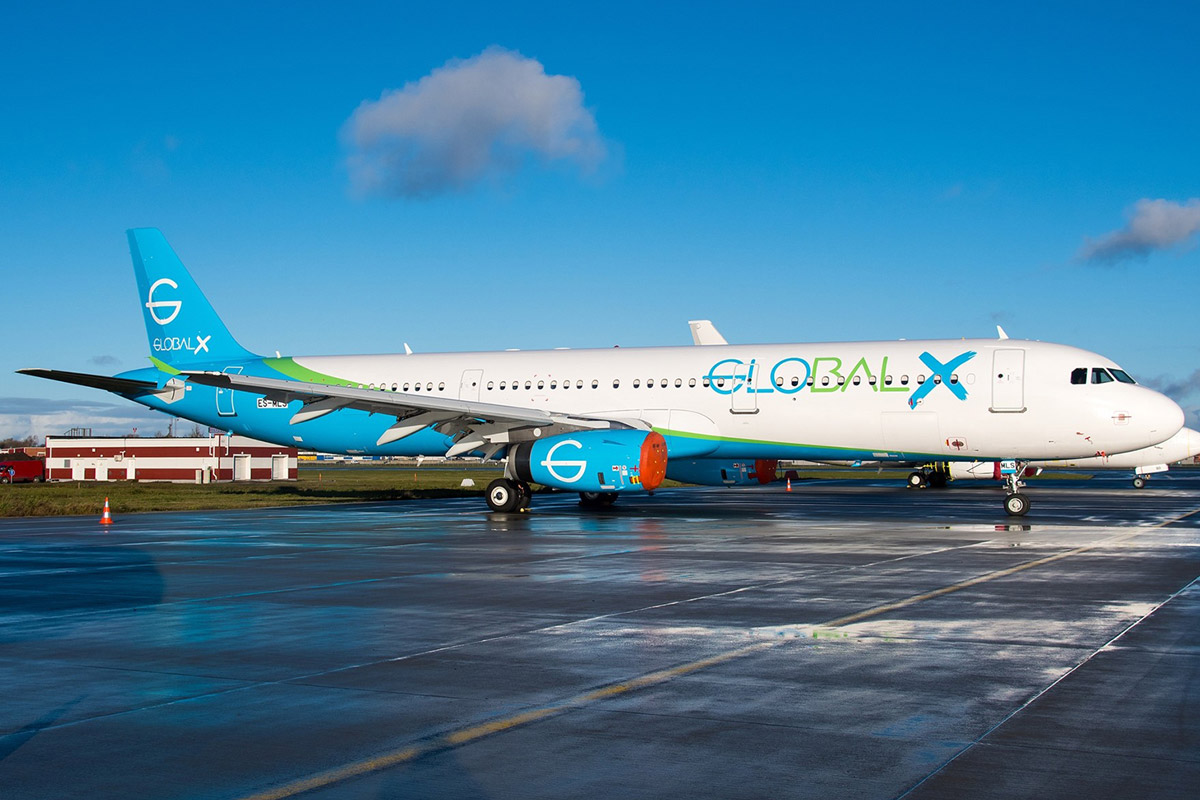
    Now, here’s where things get interesting. Or not. Because as it turns out, Red Way was what industry insiders fondly refer to as a “paper airline.” Yep, those flights you thought you were booking with them? Well, they were actually being operated by charter carrier Global Crossing Airlines. But hey, details, right?

    According to them, being a small startup in the aviation world was a bit like trying to paddle upstream with a paper boat. Unsustainable costs, lack of resources – you know, the usual excuses. They did express their gratitude for the “opportunity” to serve customers and “connect people” for a brief flicker of time. Their press release states:

    It is with a heavy heart that we announce the decision to cease operations. After careful consideration and evaluation, we have come to the difficult conclusion that we must close our doors. The last day of operations for Red Way will be August 31st, 2023.

    Over our short time operating, we have had the immense privilege of serving our customers and connecting people across the US. We are immensely grateful to have had this time, and we know that demand exists strongly in Lincoln for expanded air service. However, we face insurmountable challenges as a small startup in our industry, and the compounding of costs and lack of resources have made it impossible for us to sustain operations. It is our hope that other carriers see the incredible potential, and with their economies of scale, are able to provide Lincoln with the service it is so worthy of.

    Press Release from Red Way Airlines

    Touching, really. Interestingly, their website is still live and makes no immediate mention of the impending closure of the airline.

    Now, don’t go rushing to book that farewell flight just yet. Red Way is offering flights until the end of August, but if you had big dreams of flying with them after August 31, think again. All those post-August bookings are being tossed out the window faster than you can say “refund.” Oh, and speaking of refunds, let’s cross our fingers and hope they actually materialize. If not, your credit card issuer probably won’t be much help; back in 2020, many issuers nixed protections against insolvency of a common carrier. So unless you’ve purchased a standalone travel insurance policy, you may just be on your own.

    So, why did Red Way’s grand plan nosedive faster than a lead balloon? Well, some speculate that their decision to solely operate out of Lincoln and focus on leisure flights might have had something to do with it. It’s almost like local government subsidies and all six of their leisure-seeking travelers weren’t enough to keep the dream afloat.

    And there you have it, folks. Another one bites the dust in the ever-dramatic saga of airline ventures. Red Way Airlines, we hardly knew ye – but then again, did we really need to? Until next time, keep your seat belts fastened and your expectations firmly grounded. After all, in the world of aviation, surprises are about as rare as a quiet day at… you guessed it, Lincoln Airport. Over and out.